
How to promote holistic health through fitness activities is a comprehensive guide that explores the connection between physical fitness and overall well-being, providing valuable insights and practical tips for achieving a balanced and healthy lifestyle. From the importance of a balanced diet to the benefits of regular exercise and stress management, this topic covers various aspects of holistic health through fitness activities.
Read on to discover how you can enhance your physical fitness, mental wellness, and emotional balance through engaging in fitness activities and adopting a healthy lifestyle.
Balanced Diet
Maintaining a balanced diet is crucial to supporting holistic health through fitness activities. By incorporating a variety of nutrients into your daily meals, you can promote overall well-being and enhance physical fitness as well as mental wellness.
Essential Nutrients for Holistic Health
- Protein: Essential for muscle repair and growth, sources include lean meats, poultry, fish, beans, and nuts.
- Carbohydrates: Provide energy for workouts, opt for whole grains, fruits, and vegetables for sustained energy.
- Fats: Important for hormone production and absorption of fat-soluble vitamins, choose healthy fats like avocado, nuts, and olive oil.
- Vitamins and Minerals: Support various bodily functions, include a colorful variety of fruits and vegetables to ensure you get a wide range of nutrients.
- Hydration: Stay hydrated with water throughout the day to support digestion, nutrient absorption, and overall health.
Mental Wellness
Regular engagement in fitness activities plays a crucial role in promoting mental wellness. The connection between physical exercise and mental health is well-documented, with numerous benefits for emotional well-being.Physical exercise has been shown to improve mood by triggering the release of endorphins, commonly known as “feel-good” hormones.
These chemicals help reduce feelings of anxiety and depression, leading to an overall sense of well-being. Additionally, engaging in fitness activities can help reduce stress levels by providing a healthy outlet for pent-up emotions and tension.Furthermore, regular exercise has been linked to enhanced cognitive function, including better memory, focus, and overall brain health.
This can lead to improved productivity and mental clarity in various aspects of life.
Incorporating Mindfulness Practices
One effective strategy for enhancing emotional balance through fitness is by incorporating mindfulness practices into your routines. Mindfulness involves being fully present in the moment and paying attention to your thoughts and feelings without judgment.
- Start by incorporating deep breathing exercises into your warm-up or cool-down routine. Focus on your breath and let go of any distractions.
- Practice mindful movement during your workouts by being fully aware of each movement and sensation in your body.
- Consider integrating meditation sessions into your fitness schedule to calm the mind and reduce stress levels.
- Engage in activities like yoga or tai chi, which combine physical movement with mindfulness practices for a holistic approach to mental wellness.
Physical Fitness
Regular physical activity is essential for promoting holistic health. Engaging in a variety of fitness activities can help improve strength, endurance, flexibility, and balance, leading to overall well-being.
Types of Fitness Activities
- Strength Training: This type of exercise involves using resistance to build muscle strength and endurance. It can include weightlifting, bodyweight exercises, or resistance band workouts.
- Cardiovascular Exercise: Cardio workouts elevate the heart rate and improve cardiovascular health. Running, cycling, swimming, and dancing are examples of cardio activities.
- Flexibility Routines: Stretching exercises help increase flexibility and range of motion. Yoga, Pilates, and static stretching are common flexibility routines.
- Balance Exercises: Balance training enhances stability and coordination. Activities like tai chi, standing on one leg, or using a balance board can improve balance.
Benefits of Different Fitness Activities
- Strength Training:
- Builds muscle mass and boosts metabolism
- Improves bone density and reduces the risk of osteoporosis
- Enhances functional strength for daily activities
- Cardiovascular Exercise:
- Increases heart and lung efficiency
- Helps in weight management and fat loss
- Reduces the risk of chronic diseases like heart disease and diabetes
- Flexibility Routines:
- Improves joint health and reduces the risk of injuries
- Enhances posture and reduces muscle tension
- Promotes relaxation and stress relief
- Balance Exercises:
- Prevents falls and improves stability in older adults
- Enhances coordination and body awareness
- Strengthens core muscles and improves posture
Adequate Hydration
Staying hydrated is crucial when engaging in fitness activities as it plays a vital role in maintaining overall health and optimizing physical performance.
Proper hydration supports the body in various ways during exercise, such as regulating body temperature, lubricating joints, and delivering nutrients to cells. It also aids in the recovery process by flushing out toxins and reducing muscle soreness.
Tips for Maintaining Adequate Hydration Levels
- Carry a reusable water bottle with you throughout the day as a constant reminder to drink water.
- Drink water before, during, and after your workout to replenish fluids lost through sweat.
- Monitor your urine color – pale yellow or clear urine indicates proper hydration.
- Include hydrating foods in your diet, such as fruits and vegetables with high water content.
- Avoid excessive caffeine and alcohol consumption, as they can dehydrate the body.
Regular Exercise
Regular exercise plays a crucial role in promoting holistic health by benefiting the body, mind, and spirit. It not only helps in maintaining physical fitness but also contributes to mental well-being and overall quality of life.
Recommended Frequency and Duration
- Experts recommend engaging in at least 150 minutes of moderate-intensity aerobic activity or 75 minutes of vigorous-intensity aerobic activity per week for adults.
- It is also beneficial to incorporate muscle-strengthening activities on two or more days a week.
- For children and adolescents, at least 60 minutes of physical activity daily is recommended, including activities that strengthen muscles and bones.
Benefits of Regular Exercise
- Improved cardiovascular health, leading to a reduced risk of heart disease, stroke, and high blood pressure.
- Enhanced mental health through the release of endorphins, reducing symptoms of anxiety and depression.
- Weight management and prevention of obesity by burning calories and building muscle mass.
- Increased energy levels and better sleep patterns, contributing to overall well-being.
- Reduced risk of chronic diseases such as diabetes, certain types of cancer, and osteoporosis.
Healthy Lifestyle
Adopting a healthy lifestyle goes hand in hand with engaging in fitness activities. It is not just about working out or eating right, but rather a holistic approach to overall well-being.
Enhancing Holistic Health
Making positive lifestyle choices can significantly enhance the effects of exercise on holistic health. By incorporating healthy habits into daily routines, individuals can maximize the benefits of their fitness activities.
- Nutrition:Fueling the body with nutritious foods can support exercise performance and recovery. Incorporating a balanced diet rich in fruits, vegetables, lean proteins, and whole grains is essential for overall health.
- Self-care Practices:Prioritizing self-care activities such as adequate sleep, stress management techniques, and relaxation exercises can complement physical fitness efforts. Taking time to rest and recharge is crucial for maintaining a healthy lifestyle.
- Consistent Exercise:Establishing a regular exercise routine that includes a mix of cardiovascular, strength training, and flexibility exercises is key to promoting holistic health. Consistency is key in achieving long-term health benefits.
Nutrient-Rich
Proper nutrition is crucial in supporting fitness activities and overall holistic health. Nutrient-rich foods play a significant role in providing essential vitamins, minerals, and antioxidants that are essential for energy production, muscle recovery, and overall wellness.
Importance of Essential Nutrients
Essential nutrients such as carbohydrates, proteins, fats, vitamins, and minerals are vital for various bodily functions. Carbohydrates are the primary source of energy for physical activities, while proteins are essential for muscle repair and growth. Healthy fats support hormone production and aid in nutrient absorption.
Vitamins and minerals play a key role in maintaining immune function, metabolism, and overall well-being.
- Foods high in complex carbohydrates like whole grains, fruits, and vegetables provide sustained energy for workouts and daily activities.
- Lean sources of protein such as poultry, fish, tofu, and legumes are crucial for muscle recovery and development.
- Healthy fats from sources like avocados, nuts, seeds, and olive oil support hormone balance and brain function.
- Colorful fruits and vegetables are rich in vitamins and minerals that boost immune function and overall health.
Stress Management
Stress management is a crucial aspect of promoting holistic health, and incorporating fitness activities into your routine can greatly help in reducing stress levels and improving overall well-being. Regular exercise has been shown to have a positive impact on stress hormones, mood regulation, and relaxation.
Impact of Exercise on Stress Hormones
Regular physical activity such as cardio, strength training, or yoga can help reduce the levels of stress hormones like cortisol in the body. Exercise stimulates the production of endorphins, also known as “feel-good” hormones, which can help elevate mood and reduce stress and anxiety.
Mood Regulation and Relaxation
Exercise has been linked to improved mood regulation, as it can help release pent-up energy and tension. Engaging in physical activity can also promote relaxation by focusing the mind on the present moment, providing a much-needed break from stressors and worries.
Stress-Reducing Techniques in Workouts, How to promote holistic health through fitness activities
Incorporating stress-reducing techniques into your workout routine can further enhance the benefits of exercise on stress management. Practices such as deep breathing exercises, mindfulness, and visualization can help calm the mind and reduce stress levels during physical activity. Additionally, listening to calming music or engaging in outdoor workouts can create a soothing environment conducive to stress relief.
Preventive Care
Maintaining a healthy lifestyle and engaging in fitness activities play a crucial role in preventive care. By focusing on exercise, nutrition, and self-care, individuals can effectively prevent chronic illnesses and promote overall well-being.
The Role of Exercise
Regular physical activity can help prevent a range of health issues, including heart disease, diabetes, and obesity. Exercise boosts the immune system, reduces inflammation, and improves mental health. Aim for a combination of aerobic, strength training, and flexibility exercises for optimal benefits.
The Role of Nutrition
Eating a balanced diet rich in fruits, vegetables, whole grains, lean proteins, and healthy fats is essential for preventive care. Nutrient-dense foods provide the body with the necessary vitamins, minerals, and antioxidants to support overall health and reduce the risk of chronic diseases.
The Role of Self-Care
Self-care practices such as adequate sleep, stress management, and regular health check-ups are vital for preventive care. Prioritize relaxation techniques, mindfulness, and seeking professional help when needed to maintain mental and emotional well-being.
Proper Nutrition
Proper nutrition plays a crucial role in supporting fitness goals and maintaining holistic health. It provides the necessary fuel for physical activity, aids in recovery, and promotes overall well-being.
Macronutrients and Micronutrients
Proper nutrition consists of macronutrients and micronutrients, both essential for fueling the body and supporting optimal performance during fitness activities. Macronutrients include carbohydrates, proteins, and fats, which provide energy and support muscle growth and repair. On the other hand, micronutrients such as vitamins and minerals play a key role in various bodily functions, including immune function and metabolism.
Creating Nutritious Meal Plans
When creating a meal plan to complement fitness activities, it is essential to focus on nutrient-dense foods that provide a balance of macronutrients and micronutrients. Include a variety of fruits, vegetables, whole grains, lean proteins, and healthy fats in your meals.
Opt for complex carbohydrates to sustain energy levels, lean proteins for muscle repair, and healthy fats for overall health. Additionally, staying hydrated by drinking an adequate amount of water throughout the day is crucial for optimal performance and recovery.
Quality Sleep
Quality sleep plays a crucial role in promoting holistic health through fitness activities. It is essential for overall well-being, muscle recovery, and growth. Let’s delve into the relationship between quality sleep, fitness activities, and holistic health.
Impact of Sleep on Fitness
Quality sleep is vital for optimal recovery after physical exercise. During sleep, the body repairs and rebuilds muscle tissues that have been stressed during workouts. This process is crucial for muscle growth and overall fitness progress.
Benefits of Quality Sleep
- Improved cognitive function and focus during workouts
- Regulation of hormones that impact metabolism and muscle growth
- Enhanced immune function to support overall health
- Reduced risk of injuries due to better coordination and reaction time
Tips for Improving Sleep Quality
Establish a consistent sleep schedule by going to bed and waking up at the same time every day.
Create a relaxing bedtime routine to signal to your body that it’s time to wind down.
Avoid stimulants like caffeine and electronic devices before bedtime to promote better sleep quality.
Ensure your sleep environment is dark, quiet, and comfortable for uninterrupted rest.
Practice stress-reducing activities like meditation or deep breathing exercises to calm the mind before sleep.
Cardio Health
Cardiovascular exercise plays a crucial role in maintaining heart health and overall well-being. By engaging in aerobic activities, individuals can experience a wide range of benefits that contribute to cardiovascular fitness, endurance, and overall health.
Benefits of Cardio Exercises
- Improved heart health: Cardio exercises help strengthen the heart muscle, improve blood circulation, and reduce the risk of cardiovascular diseases.
- Enhanced endurance: Regular cardio workouts increase stamina and endurance, allowing individuals to engage in physical activities for longer periods.
- Weight management: Aerobic activities help burn calories, aiding in weight loss or weight maintenance when combined with a balanced diet.
- Stress relief: Cardio workouts release endorphins, which can reduce stress levels and promote a sense of well-being.
Examples of Cardio Exercises
Some examples of cardio exercises that can be incorporated into fitness routines include:
- Running or jogging
- Cycling
- Swimming
- Aerobics or Zumba classes
- Jump rope
- Dancing
Immune Boost
Regular physical activity plays a crucial role in enhancing the immune system and supporting overall holistic health. By engaging in fitness activities, individuals can strengthen their immune response and increase their resistance to various illnesses.
Benefits of Exercise for Immune Health
- Exercise helps to flush bacteria out of the lungs and airways, reducing the risk of getting a cold, flu, or other illnesses.
- Physical activity promotes good circulation, allowing immune cells to move freely throughout the body to detect and fight infections.
- Regular exercise can help reduce inflammation in the body, which is linked to several chronic diseases and weakened immune function.
Positive Mindset
Having a positive mindset plays a crucial role in achieving holistic health through fitness activities. Your attitude, motivation, and mental outlook can greatly influence your exercise adherence and the results you see from your efforts. Cultivating a positive mindset is key to enhancing your overall well-being and reaching your health goals.
Strategies for Cultivating a Positive Mindset
- Acknowledge and challenge negative thoughts: Recognize when negative thoughts arise and actively challenge them with positive affirmations or reframing techniques.
- Set realistic goals: Establish achievable fitness goals that align with your capabilities and celebrate your progress along the way.
- Practice gratitude: Take time each day to reflect on the things you are grateful for, helping to shift your focus to the positive aspects of your life.
- Surround yourself with positivity: Engage with supportive friends, family, or communities that uplift and encourage you on your wellness journey.
- Stay present and mindful: Practice mindfulness techniques like deep breathing or meditation to stay grounded in the present moment and reduce stress.
Clean Eating
Clean eating is a dietary approach that focuses on consuming whole, unprocessed foods in their most natural state. This concept is closely linked to holistic health and fitness as it emphasizes the importance of nourishing the body with nutrient-dense foods to support overall well-being.
Benefits of Clean Eating for Physical Performance and Well-being
- Improved nutrient intake: Whole foods are rich in essential vitamins, minerals, and antioxidants that support optimal physical performance and overall health.
- Enhanced digestion: Consuming unprocessed foods can help improve digestion and nutrient absorption, leading to better energy levels and overall well-being.
- Weight management: Clean eating promotes the consumption of nutrient-rich foods, which can help maintain a healthy weight and support fitness goals.
- Reduced inflammation: Whole foods are known to have anti-inflammatory properties, which can help reduce the risk of chronic diseases and support recovery from intense physical activity.
Tips for Adopting a Clean Eating Approach
- Focus on whole foods: Fill your plate with fruits, vegetables, whole grains, lean proteins, and healthy fats to ensure a well-rounded and nutrient-dense diet.
- Avoid processed foods: Limit the intake of processed foods high in refined sugars, unhealthy fats, and artificial ingredients that can negatively impact health and fitness goals.
- Stay hydrated: Drink plenty of water throughout the day to support digestion, nutrient absorption, and overall well-being.
- Plan and prepare meals: Take the time to plan and prepare meals ahead of time to ensure you have nutritious options readily available and avoid reaching for convenience foods.
Daily Activity
Regular physical activity plays a crucial role in promoting holistic health by enhancing overall well-being. Incorporating daily movement into your routine can have numerous benefits for your body and mind.
Importance of Daily Activity
Engaging in daily physical activity is essential for maintaining optimal health and wellness. It helps improve cardiovascular health, boost immune function, enhance mood, and increase energy levels. By moving regularly throughout the day, you can reduce the risk of chronic diseases such as diabetes, heart disease, and obesity.
Benefits of Moving Throughout the Day
- Improves circulation and reduces the risk of cardiovascular issues.
- Boosts metabolism and aids in weight management.
- Enhances mental clarity and cognitive function.
- Reduces stress and promotes relaxation.
- Strengthens muscles and improves flexibility.
Ideas for Increasing Daily Activity Levels
- Take short walks or stretch breaks throughout the day, especially if you have a sedentary job.
- Incorporate active hobbies such as dancing, gardening, or biking into your daily routine.
- Use stairs instead of elevators whenever possible to sneak in extra movement.
- Set reminders to stand up and move around every hour to prevent prolonged sitting.
- Join group fitness classes or sports activities to make exercise more enjoyable and social.
Holistic Health
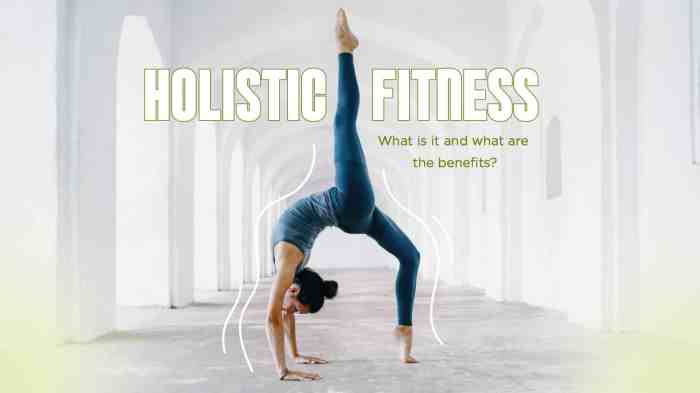
Holistic health is a comprehensive approach to well-being that considers the interconnectedness of physical, mental, and emotional aspects of an individual. This approach emphasizes the importance of achieving balance and harmony in all areas of life to promote overall health and wellness.
Integration of Physical, Mental, and Emotional Aspects
Holistic health involves integrating physical, mental, and emotional well-being to achieve a state of balance and harmony. This approach recognizes that the mind-body connection plays a crucial role in overall health and wellness. By addressing all aspects of health simultaneously, individuals can experience greater vitality and resilience.
- Practices such as yoga, meditation, and deep breathing exercises can help reduce stress and promote relaxation, benefiting both mental and physical health.
- Engaging in regular physical activity not only improves physical fitness but also boosts mood and mental clarity.
- Maintaining strong social connections and nurturing relationships can positively impact emotional well-being and overall quality of life.
Mindful Living
Mindful living involves being fully present in the moment, paying attention to thoughts and feelings without judgment. This practice can greatly impact fitness and holistic health by fostering self-awareness, reducing stress, and promoting overall wellness.
Benefits of Mindfulness Practices
- Enhanced self-awareness: Mindfulness allows individuals to tune into their emotions, thoughts, and bodily sensations, leading to a deeper understanding of oneself.
- Stress management: By practicing mindfulness, individuals can learn to respond to stress in a more calm and controlled manner, reducing the negative impact on both mental and physical health.
- Overall wellness: Mindfulness practices have been shown to improve mood, increase resilience, and enhance overall quality of life.
Techniques for Incorporating Mindfulness
- Body scan meditation: Start by focusing on each part of your body, bringing attention to any sensations or tension. This can be done before or after a workout to promote relaxation.
- Mindful breathing: Paying attention to your breath can help anchor you in the present moment, reducing distractions and enhancing focus during fitness activities.
- Mindful movement: Whether it’s yoga, walking, or strength training, practice mindfulness by tuning into the physical sensations and movements of your body as you exercise.
Emotional Balance
Emotional balance plays a crucial role in promoting holistic health through fitness. When we are emotionally stable, it positively impacts our physical health, motivation levels, and overall wellness. It allows us to handle stress better, make healthier choices, and maintain a positive mindset.
Fostering Emotional Balance
- Engage in regular exercise: Physical activity releases endorphins, which are known as “feel-good” hormones that can help improve mood and reduce feelings of anxiety or depression.
- Practice self-care: Taking time for yourself to relax, unwind, and engage in activities you enjoy can help reduce stress levels and promote emotional well-being.
- Stress management techniques: Incorporate stress-reducing practices such as mindfulness, meditation, deep breathing exercises, or yoga into your daily routine to help balance emotions.
- Seek support: Don’t hesitate to reach out to friends, family, or a professional counselor if you need help processing emotions or managing stress effectively.
Health Education
Health education plays a crucial role in promoting holistic health and fitness awareness. By providing individuals with the necessary knowledge and skills, health education empowers them to make informed decisions about their well-being.
Importance of Understanding Basic Health Concepts
- Basic health concepts serve as the foundation for making healthy choices in daily life.
- Understanding concepts such as the importance of balanced nutrition and regular exercise helps individuals prioritize their health.
- Health education enables individuals to recognize symptoms of illness and seek appropriate medical care in a timely manner.
Nutrition Principles and Exercise Guidelines
- Learning about nutrition principles helps individuals make smart food choices that nourish their bodies and support overall health.
- Understanding exercise guidelines allows individuals to create effective workout routines that meet their fitness goals.
- Health education emphasizes the importance of combining a balanced diet with regular physical activity for optimal health.
Resources for Expanding Health Education
- Online platforms and apps offer a wealth of information on health and wellness topics, making education accessible to a wider audience.
- Community workshops and seminars provide opportunities for interactive learning and sharing knowledge with others.
- Health professionals, such as dietitians and personal trainers, can offer personalized guidance and support to individuals seeking to improve their health.
Self-Care
Self-care plays a crucial role in enhancing holistic health through fitness activities. It involves taking intentional actions to prioritize one’s physical, mental, and emotional well-being, ultimately contributing to a balanced and healthy lifestyle.: Self-care practices are essential for recovery, stress management, and overall well-being.
By incorporating self-care strategies into fitness routines, individuals can better support their bodies and minds, leading to improved performance, faster recovery, and a more positive outlook on life.
Self-Care Strategies
- Make time for rest and relaxation: Prioritize adequate rest and relaxation to allow your body to recover and recharge.
- Practice mindfulness and meditation: Incorporate mindfulness techniques into your daily routine to reduce stress and promote mental clarity.
- Eat nourishing foods: Fuel your body with nutrient-rich foods that support your fitness goals and overall health.
- Stay hydrated: Drink plenty of water throughout the day to maintain optimal hydration levels and support your body’s functions.
- Engage in hobbies and activities you enjoy: Take time to pursue activities that bring you joy and relaxation, helping you maintain a healthy work-life balance.
- Connect with others: Cultivate strong social connections and relationships to support your mental and emotional well-being.
Chronic Disease: How To Promote Holistic Health Through Fitness Activities
Chronic diseases are long-term conditions that often require ongoing management and treatment. These conditions can significantly impact a person’s quality of life and overall well-being. However, incorporating fitness activities into one’s routine can play a crucial role in preventing and managing chronic diseases.Regular exercise has been shown to have numerous benefits for both the prevention and management of chronic conditions.
Physical activity helps improve cardiovascular health, strengthen muscles, and boost overall immunity. This, in turn, can reduce the risk of developing conditions such as heart disease, diabetes, and obesity.Nutrition also plays a key role in influencing chronic diseases. A balanced diet rich in nutrients is essential for maintaining a healthy weight, managing blood sugar levels, and reducing inflammation in the body.
By making healthy food choices, individuals can better control conditions like diabetes, hypertension, and high cholesterol.Lifestyle choices, including stress management and adequate sleep, can further impact the development and progression of chronic diseases. Stress-reducing activities like meditation, yoga, or spending time in nature can help lower blood pressure and improve mental health.
Quality sleep is also crucial for overall well-being and can aid in managing conditions like insomnia and depression.
Fitness as a Preventive Measure and Supportive Therapy
Regular physical activity is essential for preventing the onset of chronic diseases. By engaging in activities such as walking, jogging, swimming, or strength training, individuals can improve their overall health and reduce the risk of developing conditions like heart disease, diabetes, and osteoporosis.For those already living with chronic diseases, fitness activities can serve as a supportive therapy to help manage symptoms and improve quality of life.
Exercise can help increase mobility, reduce pain, and enhance mental well-being in individuals with conditions like arthritis, fibromyalgia, or multiple sclerosis.Incorporating a variety of exercises, including aerobic, strength training, and flexibility exercises, can provide holistic benefits for individuals looking to prevent or manage chronic diseases.
It is essential to consult with healthcare professionals or fitness experts to create a personalized fitness plan that aligns with individual needs and limitations.
Concluding Remarks
In conclusion, prioritizing holistic health through fitness activities can lead to a more balanced and fulfilling life. By incorporating the tips and strategies discussed in this guide, you can take proactive steps towards achieving overall well-being and long-term health benefits.
Start your journey towards holistic health today and experience the positive impact it can have on your life.
General Inquiries
How can I create a balanced diet that supports holistic health through fitness activities?
Focus on including a variety of nutrient-rich foods in your meals, such as fruits, vegetables, whole grains, lean proteins, and healthy fats.
What are some examples of nutrient-rich foods that can enhance physical fitness and mental wellness?
Examples include salmon, leafy greens, nuts and seeds, berries, quinoa, and Greek yogurt.
How often should I engage in fitness activities for optimal well-being?
It is recommended to aim for at least 150 minutes of moderate-intensity exercise per week, spread out over several days.


