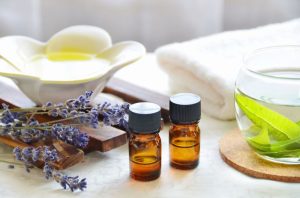
Benefits of self-care retreats and getaways take the spotlight in this insightful exploration of holistic well-being. Dive into a world where balance, mindfulness, and self-care intertwine to nurture both body and mind.
Explore how the right nutrition, physical activity, and stress management can transform your retreat experience and lead to long-term health benefits.
Balanced Diet
Maintaining a balanced diet is crucial during a self-care retreat as it provides the necessary nutrients to support your overall well-being. Eating nutrient-rich foods can help boost your energy levels, improve your mood, and enhance your mental clarity.
Nutrient-Rich Foods for Overall Health
- Leafy greens such as spinach, kale, and Swiss chard are packed with vitamins, minerals, and antioxidants that support a healthy immune system.
- Fatty fish like salmon, mackerel, and sardines are rich in omega-3 fatty acids, which are essential for brain health and reducing inflammation.
- Whole grains such as quinoa, brown rice, and oats provide fiber, vitamins, and minerals that promote digestive health and regulate blood sugar levels.
- Colorful fruits like berries, citrus fruits, and apples are high in antioxidants that help protect cells from damage and boost your immune system.
- Lean proteins like poultry, tofu, and legumes are important for muscle repair, hormone production, and satiety.
Benefits of Clean Eating
Clean eating, which involves consuming whole, unprocessed foods, can have numerous benefits for your physical and mental well-being. By avoiding processed foods high in sugar, salt, and unhealthy fats, you can:
- Improve your digestion and nutrient absorption.
- Boost your energy levels and reduce fatigue.
- Enhance your mood and reduce the risk of depression and anxiety.
- Support healthy weight management and reduce the risk of chronic diseases.
Mental Wellness
Self-care retreats play a crucial role in promoting mental wellness by providing individuals with the opportunity to disconnect from their daily stressors and focus on their well-being. These retreats offer a peaceful environment where participants can engage in activities that help reduce anxiety, improve mood, and enhance overall mental health.
Role of Mindfulness in Achieving Emotional Balance
Mindfulness practices, such as meditation and yoga, are often incorporated into self-care retreats to help participants achieve emotional balance. By focusing on the present moment and being aware of thoughts and feelings without judgment, individuals can better manage stress, increase self-awareness, and cultivate a sense of inner peace.
- Practicing mindfulness meditation can help calm the mind and reduce racing thoughts, allowing individuals to experience a greater sense of clarity and tranquility.
- Engaging in mindful movement activities like yoga can help release tension in the body, improve flexibility, and promote relaxation, leading to a more balanced emotional state.
- Being mindful of one’s emotions and reactions during the retreat can help individuals identify triggers and develop healthier coping mechanisms for dealing with stress and negative emotions.
Techniques for Promoting a Positive Mindset During a Retreat
During a self-care retreat, there are various techniques that can be employed to promote a positive mindset and enhance mental well-being.
- Practicing gratitude exercises, such as keeping a gratitude journal or participating in group gratitude circles, can help shift focus towards the positive aspects of life and foster a sense of appreciation.
- Engaging in creative activities like art therapy or nature walks can stimulate the mind, inspire creativity, and boost mood, creating a more positive outlook.
- Participating in group discussions or workshops on topics related to self-discovery, personal growth, and emotional healing can provide valuable insights and support for individuals seeking to cultivate a positive mindset.
Physical Fitness
Regular exercise is a crucial component of self-care retreats and getaways as it plays a significant role in promoting overall well-being. Engaging in daily physical activity not only helps in improving physical health but also contributes to mental wellness.Exercising regularly during a self-care retreat can have a positive impact on cardiovascular health.
Cardiovascular exercises such as running, swimming, or cycling help in strengthening the heart muscle, improving circulation, and reducing the risk of heart diseases. Incorporating physical fitness activities into a retreat can lead to long-term benefits for the participants.
Holistic Health Practices
Holistic health practices that combine fitness and well-being offer a comprehensive approach to improving overall health. Some examples include:
- Yoga: A practice that combines physical postures, breathing techniques, and meditation to enhance flexibility, strength, and mental clarity.
- Pilates: Focuses on core strength, flexibility, and overall body awareness, helping in improving posture and reducing the risk of injuries.
- Hiking: Engaging in nature walks and hikes not only provides physical exercise but also offers mental relaxation and stress relief.
- Dance Therapy: Utilizes movement and expression through dance to promote emotional well-being, self-confidence, and physical fitness.
These holistic practices can be integrated into self-care retreats to provide participants with a well-rounded approach to improving their physical fitness and overall health.
Adequate Hydration
Maintaining proper hydration levels is crucial for overall health and well-being. Hydration plays a vital role in various bodily functions and is essential for maintaining optimal health.
Importance of Staying Hydrated
- Water is essential for digestion, absorption of nutrients, and the elimination of waste products from the body.
- Proper hydration helps regulate body temperature, lubricate joints, and protect sensitive tissues.
- Dehydration can lead to fatigue, headaches, dizziness, and even more serious health issues if left untreated.
Benefits of Adequate Hydration for Stress Management
- Staying hydrated can help reduce stress levels by improving cognitive function and concentration.
- Proper hydration supports the body’s ability to cope with stress and can enhance mood and overall mental well-being.
- Drinking enough water can also help reduce feelings of anxiety and tension, promoting a sense of calmness.
Tips for Maintaining Proper Hydration Levels During a Retreat
- Carry a reusable water bottle and aim to drink at least 8-10 glasses of water per day.
- Include hydrating foods such as fruits and vegetables in your diet to supplement your water intake.
- Avoid excessive caffeine and alcohol consumption, as they can dehydrate the body.
- Set reminders or create a schedule to ensure you are drinking water regularly throughout the day.
Stress Management
Stress is a common aspect of modern life that can have significant negative impacts on both our physical and mental well-being. It is crucial to address stress effectively to prevent the development or exacerbation of chronic diseases.Explaining how self-care retreats help in stress reduction:Self-care retreats provide individuals with a dedicated time and space to focus on relaxation, mindfulness, and rejuvenation.
By disconnecting from daily stressors and immersing oneself in a peaceful environment, individuals can effectively manage and reduce stress levels. Activities such as yoga, meditation, spa treatments, and nature walks offered at these retreats can help individuals unwind, release tension, and promote a sense of calmness.Discussing the impact of stress on chronic diseases and the role of preventive care:Chronic stress has been linked to a wide range of health issues, including heart disease, diabetes, obesity, and mental health disorders.
Prolonged exposure to stress can weaken the immune system, increase inflammation in the body, and elevate blood pressure. Preventive care measures, including stress management techniques practiced during self-care retreats, play a crucial role in reducing the risk of developing chronic diseases.
By addressing stress proactively, individuals can enhance their overall health and well-being.Providing strategies for managing stress effectively through holistic approaches:
1. Mindfulness Meditation
Engaging in mindfulness meditation practices can help individuals stay present, calm their minds, and reduce anxiety levels.
2. Physical Exercise
Regular physical activity, such as yoga or tai chi, can release endorphins, the body’s natural stress relievers, and improve mood.
3. Healthy Nutrition
Consuming a balanced diet rich in fruits, vegetables, whole grains, and lean proteins can support overall well-being and reduce stress.
4. Adequate Sleep
Prioritizing quality sleep can aid in stress reduction, improve cognitive function, and enhance emotional resilience.
5. Social Support
Building strong social connections and seeking support from friends, family, or counselors can provide comfort and perspective during stressful times.
Quality Sleep
When it comes to self-care retreats, one of the key factors that can greatly impact overall well-being is the quality of sleep one gets during the retreat. Quality sleep plays a crucial role in rejuvenating the body and mind, allowing individuals to feel refreshed and energized.
Benefits of a Good Night’s Sleep
- Improves cognitive function and focus
- Boosts mood and mental well-being
- Supports immune function and overall health
- Enhances physical performance and recovery
Creating a Sleep-Friendly Environment
During a retreat, it is important to create a sleep-friendly environment to optimize the quality of rest. Here are some tips to achieve this:
- Avoid electronic devices before bedtime to reduce exposure to blue light.
- Ensure the sleeping area is comfortable, quiet, and dark.
- Establish a bedtime routine to signal the body that it is time to sleep.
- Practice relaxation techniques such as deep breathing or meditation to unwind before sleep.
Immune Boost
Self-care retreats play a crucial role in boosting the immune system by promoting overall health and wellness. A healthy lifestyle, which includes balanced diet, regular physical activity, stress management, and quality sleep, is essential for optimal immune function. When individuals prioritize self-care and engage in activities that support their well-being, they are more likely to have a stronger immune response to fight off illnesses and infections.
Link Between Healthy Lifestyle and Immune Function
Maintaining a healthy lifestyle is directly linked to improved immune function. Nutrient-rich foods provide essential vitamins and minerals that support the immune system. Regular exercise helps reduce inflammation and strengthen the body’s defenses. Managing stress levels is crucial as chronic stress can weaken the immune response.
Quality sleep allows the body to repair and regenerate, enhancing immune function. Hydration is also key in supporting overall health and immune function.
- Eating foods rich in vitamin C, such as citrus fruits, bell peppers, and strawberries, can help boost the immune system.
- Consuming foods high in vitamin D, like fatty fish, eggs, and fortified dairy products, is important for immune health.
- Including zinc-rich foods, such as lean meats, nuts, and seeds, in the diet can also support immune function.
- Probiotic-rich foods, like yogurt, kefir, and sauerkraut, help maintain a healthy gut microbiome, which is essential for a strong immune system.
Healthy Lifestyle: Benefits Of Self-care Retreats And Getaways
Self-care retreats play a crucial role in promoting a healthy lifestyle by providing individuals with the opportunity to prioritize their well-being and make positive changes in their daily routines.
Incorporating Self-Care Practices
Here are some tips on how to incorporate self-care practices into your daily routine:
- Start your day with mindfulness practices such as meditation or yoga to set a positive tone for the day.
- Make time for activities that bring you joy and relaxation, whether it’s reading a book, taking a walk in nature, or enjoying a hobby.
- Prioritize healthy eating by preparing nutritious meals and snacks that nourish your body and mind.
- Stay active by engaging in regular exercise that you enjoy, whether it’s going for a run, practicing yoga, or dancing.
- Practice self-compassion and self-kindness by treating yourself with love and understanding, especially during challenging times.
Inspiring Long-Term Lifestyle Changes
Attending a self-care retreat can inspire long-term lifestyle changes for better health by offering a supportive environment where you can explore new wellness practices, gain insights from experts, and connect with like-minded individuals who share similar goals.
Preventive Care
Self-care retreats play a crucial role in promoting preventive care and maintaining overall well-being. By focusing on proactive measures to prevent illness and promote health, individuals can significantly improve their quality of life and reduce the risk of developing chronic conditions.
Preventive Measures during a Retreat
- Regular health screenings and check-ups: Retreats can offer opportunities for participants to undergo health screenings such as blood pressure checks, cholesterol tests, and other routine exams to monitor their health status.
- Healthy eating workshops: Providing nutrition education and cooking classes can empower individuals to make healthier food choices and adopt a balanced diet, reducing the risk of obesity and related health issues.
- Physical activity sessions: Incorporating exercise routines, yoga classes, hiking, or other physical activities during retreats can help improve cardiovascular health, strengthen muscles, and boost overall fitness levels.
- Mental health workshops: Offering mindfulness meditation sessions, stress management techniques, and mental wellness workshops can help individuals cope with stress, anxiety, and improve their emotional well-being.
- Education on sleep hygiene: Teaching participants about the importance of quality sleep, sleep hygiene practices, and strategies to improve sleep patterns can enhance their cognitive function, mood, and overall health.
Cardio Health
Self-care retreats offer a unique opportunity to focus on improving cardiovascular health through various activities and practices. By engaging in heart-healthy activities during a getaway, individuals can experience numerous benefits that contribute to overall well-being.
Benefits of Cardio Activities
- Participating in cardio exercises such as hiking, swimming, or cycling can strengthen the heart muscle and improve circulation.
- Regular physical activity during a retreat can help lower blood pressure and reduce the risk of heart disease.
- Cardiovascular exercises promote weight management, which is essential for heart health and overall wellness.
- Increased oxygen flow to the body and brain during cardio workouts can enhance energy levels and cognitive function.
Tips for Maintaining Cardio Fitness Levels
- Incorporate at least 150 minutes of moderate-intensity aerobic exercise or 75 minutes of vigorous-intensity exercise per week.
- Combine cardio workouts with strength training exercises to improve overall fitness and heart health.
- Stay hydrated and fuel your body with nutritious foods to support cardiovascular function and recovery.
- Monitor your heart rate during exercise to ensure you are working within your target heart rate zone for optimal benefits.
Positive Mindset
Maintaining a positive mindset is crucial for overall well-being, and self-care retreats play a significant role in fostering this positive attitude. These retreats provide individuals with the opportunity to disconnect from their daily stressors, reflect on their thoughts and emotions, and engage in activities that promote relaxation and self-discovery.
Impact of Positive Attitude on Health
- Positive thinking has been linked to lower levels of stress, reduced risk of depression, and improved cardiovascular health.
- A positive mindset can boost the immune system, enhance resilience, and promote better coping mechanisms in challenging situations.
- Individuals with a positive attitude tend to have better relationships, increased productivity, and a higher quality of life.
Techniques for Cultivating a Positive Mindset
- Practice gratitude: Reflect on things you are thankful for each day to shift your focus to the positive aspects of your life.
- Mindfulness meditation: Engage in mindfulness practices to stay present, reduce negative thinking, and increase self-awareness.
- Affirmations: Use positive affirmations to reframe negative thoughts and beliefs into empowering statements.
- Surround yourself with positivity: Spend time with supportive and uplifting individuals who encourage a positive outlook on life.
- Engage in activities you enjoy: Pursue hobbies and interests that bring you joy and fulfillment to enhance your overall mood.
Nutrient-Rich
When it comes to self-care retreats, the importance of nutrient-rich foods cannot be overstated. These foods provide essential vitamins, minerals, and antioxidants that are crucial for overall well-being and vitality.
Examples of Nutrient-Rich Foods
- Dark leafy greens like spinach and kale are packed with vitamins A, C, and K, as well as minerals like iron and calcium.
- Fatty fish such as salmon and mackerel are rich in omega-3 fatty acids, which are important for brain health and reducing inflammation.
- Colorful fruits like berries, oranges, and kiwi are loaded with vitamin C and antioxidants that boost the immune system.
- Whole grains like quinoa and brown rice provide fiber, B vitamins, and minerals that support digestion and energy levels.
Enhancing the Retreat Experience
By incorporating nutrient-rich meals into a self-care retreat, participants can fuel their bodies with the necessary nutrients to feel energized and rejuvenated. These foods can help improve mood, cognitive function, and overall health, leading to a more fulfilling retreat experience.
Clean Eating
Clean eating is a dietary approach that focuses on consuming whole, unprocessed foods in their natural state. This means avoiding highly processed foods, added sugars, unhealthy fats, and artificial ingredients. Clean eating is essential for improving overall health and well-being, making it a great practice to incorporate during a getaway or retreat.
Benefits of Clean Eating During a Getaway
Clean eating during a getaway can provide numerous benefits such as:
- Improved digestion and nutrient absorption
- Enhanced energy levels and productivity
- Weight management and maintenance
- Reduced inflammation and risk of chronic diseases
Strategies for Incorporating Clean Eating Into Daily Life, Benefits of self-care retreats and getaways
Here are some strategies to help you adopt clean eating habits on a daily basis:
- Meal prep and plan ahead to avoid unhealthy food choices
- Choose whole foods like fruits, vegetables, whole grains, lean proteins, and healthy fats
- Read food labels and avoid products with added sugars, artificial ingredients, and preservatives
- Cook meals at home using fresh ingredients and limit eating out
Importance of Clean Eating for Health and Well-being
Clean eating plays a crucial role in promoting overall health and well-being by:
Providing essential nutrients for optimal body function and performance.
Supporting a strong immune system and reducing the risk of illnesses.
Promoting healthy weight management and preventing chronic diseases.
Daily Activity
Physical activity plays a vital role in self-care retreats as it helps improve overall health and well-being. Incorporating daily activities into the routine can have a positive impact on both physical and mental health.
Significance of Daily Physical Activity
Regular physical activity can boost mood, increase energy levels, reduce stress, improve sleep quality, and enhance overall fitness. It also helps in maintaining a healthy weight, reducing the risk of chronic diseases, and promoting longevity.
Examples of Daily Activities
- Yoga or Pilates sessions for flexibility and strength
- Hiking or nature walks for cardiovascular fitness
- Swimming or water aerobics for a full-body workout
- Dance classes for a fun and engaging way to stay active
- Cycling or spinning for endurance and leg strength
Impact of Consistent Daily Activity
Regular physical activity not only improves physical health but also has long-term benefits. It can help reduce the risk of heart disease, stroke, type 2 diabetes, and certain types of cancer. Additionally, daily activity can boost cognitive function, enhance immune system function, and increase overall quality of life.
Holistic Health
Self-care retreats are designed to embrace a holistic approach to well-being, recognizing the interconnectedness of physical, mental, and emotional health. By addressing all aspects of health simultaneously, individuals can experience comprehensive benefits that contribute to overall wellness.
Promoting Holistic Health during a Retreat
- Engage in mindfulness practices such as meditation and yoga to promote mental clarity and emotional balance.
- Participate in nature walks or outdoor activities to connect with the environment and enhance physical well-being.
- Attend workshops or sessions on holistic nutrition to learn how to nourish the body with wholesome foods.
- Practice journaling or creative expression to foster emotional release and self-reflection.
- Receive holistic treatments like massages or acupuncture to address both physical and emotional tensions.
Mindful Living
During a self-care retreat, mindful living plays a crucial role in enhancing overall well-being. It involves being fully present in the moment, acknowledging thoughts and feelings without judgment, and cultivating a sense of awareness and gratitude.
Benefits of Mindfulness Practices
- Reduces stress and anxiety levels
- Improves focus and concentration
- Promotes emotional regulation and resilience
- Enhances self-awareness and self-compassion
- Fosters better communication and relationships
Incorporating Mindfulness into Daily Life
After a self-care retreat, individuals can continue to practice mindfulness in their daily routines to maintain a sense of balance and inner peace. Here are some examples:
- Start the day with a mindful breathing exercise or meditation.
- Practice mindful eating by savoring each bite and paying attention to hunger cues.
- Take short mindfulness breaks throughout the day to check in with yourself and recenter.
- Engage in mindful movement activities such as yoga or tai chi.
- Cultivate gratitude by keeping a daily journal of things you are thankful for.
Emotional Balance
Self-care retreats play a crucial role in helping individuals achieve emotional balance by providing a safe space to unwind, reflect, and prioritize mental well-being. These retreats offer a variety of activities and therapies aimed at promoting emotional healing and resilience.
Importance of Emotional Well-being
Emotional well-being is essential for overall health as it affects our ability to cope with stress, build healthy relationships, and maintain a positive outlook on life. When our emotions are balanced, we are better equipped to handle life’s challenges and experience greater overall satisfaction and fulfillment.
- Practicing mindfulness and meditation can help individuals stay present and manage their emotions effectively.
- Engaging in creative activities such as art therapy or journaling can provide an outlet for expressing emotions and processing difficult feelings.
- Connecting with nature through activities like hiking or outdoor yoga can have a calming effect on the mind and promote emotional well-being.
Techniques for Maintaining Emotional Balance
Emotional balance can be maintained during and after a retreat by incorporating daily practices that support mental and emotional health.
- Establishing a regular self-care routine that includes activities you enjoy and that help you relax and recharge.
- Setting boundaries to protect your emotional energy and prioritize your well-being.
- Seeking support from friends, family, or a therapist to process emotions and gain perspective on challenging situations.
Health Education
Health education plays a crucial role in self-care retreats by providing participants with the knowledge and tools to make informed decisions about their health and well-being. By increasing awareness about various aspects of health, individuals can better understand how their lifestyle choices impact their overall wellness.
Importance of Health Education
Health education sessions during a self-care retreat can cover a wide range of topics, including nutrition, exercise, stress management, and preventive care. These sessions aim to empower individuals to take control of their health by equipping them with the necessary information and skills to make positive changes in their daily lives.
- Nutrition: Educating participants about the importance of a balanced diet and the benefits of nutrient-rich, clean eating.
- Exercise: Offering fitness classes and workshops to promote physical activity and encourage daily movement for improved cardiovascular health.
- Stress Management: Providing tools and techniques to help individuals effectively manage stress and cultivate a positive mindset.
- Preventive Care: Highlighting the significance of regular health screenings and check-ups for early detection and prevention of potential health issues.
Self-Care
Self-care is a crucial aspect of overall health and well-being, especially during a retreat or getaway. It involves taking deliberate actions to prioritize and nurture your physical, mental, and emotional needs.
Self-Care Practices
- Engage in mindfulness activities such as meditation or yoga to reduce stress and promote relaxation.
- Set boundaries and learn to say no to things that drain your energy or cause unnecessary stress.
- Practice self-compassion and positive self-talk to boost self-esteem and mental well-being.
- Make time for activities you enjoy, whether it’s reading a book, going for a walk, or spending time with loved ones.
- Prioritize sleep by establishing a bedtime routine and ensuring you get enough rest each night.
Significance of Self-Care
Self-care plays a vital role in enhancing overall health and well-being. By taking the time to care for yourself, you can reduce stress, improve mental clarity, boost immunity, and increase feelings of happiness and fulfillment. Incorporating self-care practices into your daily routine can have long-lasting benefits and help you lead a more balanced and fulfilling life.
Chronic Disease
Self-care retreats play a crucial role in managing chronic diseases by providing individuals with the tools and resources necessary to make positive lifestyle changes. These retreats offer a holistic approach to health and wellness, addressing not only the physical symptoms of chronic conditions but also the mental and emotional aspects that can impact overall well-being.
Role of Lifestyle Changes
Lifestyle changes are key in preventing and managing chronic conditions such as diabetes, heart disease, and autoimmune disorders. By adopting healthy habits and making sustainable choices, individuals can improve their quality of life and reduce the impact of chronic diseases on their overall health.
- Regular exercise: Engaging in physical activity helps improve cardiovascular health, manage weight, and boost overall well-being.
- Healthy diet: Eating a balanced and nutrient-rich diet can help control blood sugar levels, reduce inflammation, and support the immune system.
- Stress management: Practicing mindfulness, meditation, and relaxation techniques can help reduce stress levels, which can exacerbate symptoms of chronic diseases.
Self-Care Strategies for Chronic Diseases
Individuals with chronic diseases can benefit from incorporating self-care strategies into their daily routine to better manage their condition and improve their overall health.
- Regular medical check-ups: Monitoring health indicators and working closely with healthcare providers can help individuals stay on top of their condition and make necessary adjustments to their treatment plan.
- Medication adherence: Following prescribed medication regimens and treatment plans as directed by healthcare professionals is essential in managing chronic diseases effectively.
- Social support: Building a strong support network of family, friends, and healthcare providers can provide emotional support and encouragement throughout the journey of living with a chronic condition.
Closing Summary
In conclusion, self-care retreats offer a unique opportunity to rejuvenate and realign your well-being. By embracing a holistic approach to health, you can cultivate lasting habits that promote a healthier, happier lifestyle.
Question & Answer Hub
How can a balanced diet impact my experience at a self-care retreat?
A balanced diet fuels your body and mind, providing essential nutrients for optimal well-being during your retreat.
What role does mindfulness play in mental wellness during a retreat?
Mindfulness practices help you stay present, reduce stress, and enhance emotional balance, contributing to overall mental wellness.
How can I incorporate daily physical activity into my self-care getaway?
Choose activities you enjoy, like yoga or hiking, to make fitness a fun part of your retreat routine.
Why is preventive care important in the context of self-care retreats?
Preventive care focuses on early intervention and lifestyle changes to maintain overall well-being and health.
What are some strategies for maintaining a positive mindset during and after a retreat?
Practice gratitude, engage in self-reflection, and surround yourself with positive influences to nurture a positive mindset post-retreat.