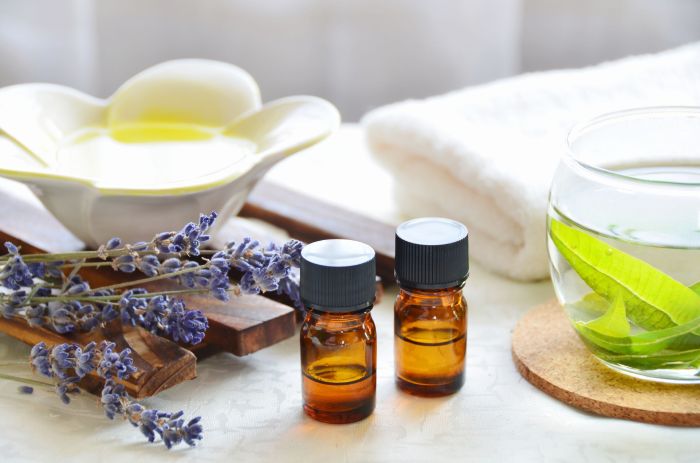
How to manage stress with aromatherapy and essential oils: Practical Tips for Wellness begins by exploring the powerful connection between aromatherapy, essential oils, and stress relief, offering readers a glimpse into the transformative effects of these natural remedies.
Delving deeper, the discussion navigates through various aspects of stress management, from the role of a balanced diet to the significance of quality sleep, providing a holistic approach to overall well-being.
Balanced Diet
Maintaining a balanced diet is crucial in managing stress as it provides the body with essential nutrients needed to cope with daily challenges and reduce the negative impact of stress on mental health.
Nutrient-Rich Foods for Stress Reduction
Eating nutrient-rich foods can help reduce stress levels and improve overall mental wellness. Some examples of such foods include:
- Fatty fish like salmon and tuna, rich in omega-3 fatty acids that can help reduce anxiety and depression.
- Leafy greens such as spinach and kale, packed with magnesium which can help relax muscles and calm the nervous system.
- Whole grains like brown rice and quinoa, containing complex carbohydrates that can boost serotonin levels and improve mood.
- Berries like blueberries and strawberries, high in antioxidants that can combat stress and inflammation in the body.
The Importance of Clean Eating
Clean eating, which involves consuming whole, minimally processed foods, is essential for overall mental wellness. By avoiding processed foods high in sugar, salt, and unhealthy fats, you can support your body’s natural stress response and promote a healthy balance of neurotransmitters in the brain.
Mental Wellness
Maintaining mental wellness is crucial for overall well-being, especially when dealing with stress. The connection between mental wellness and stress management is intricate, as stress can significantly impact our emotional and psychological state.Aromatherapy and essential oils play a vital role in promoting emotional balance.
Certain scents have been found to have calming effects on the mind, helping to reduce feelings of anxiety and stress. For example, lavender oil is known for its relaxing properties, while citrus oils like lemon and orange can uplift the mood and promote a sense of positivity.Self-care practices are also essential for maintaining mental health.
Engaging in activities that bring joy and relaxation, such as meditation, yoga, or spending time in nature, can help reduce stress levels and improve overall mental well-being. Taking time for oneself is not selfish but necessary for a healthy mind.
Techniques for Emotional Balance with Aromatherapy
- Diffusing essential oils like lavender, chamomile, or bergamot in your living space to create a calming atmosphere.
- Creating a DIY essential oil roller blend to carry with you for quick stress relief during the day.
- Incorporating essential oils into your self-care routine, such as adding a few drops to a relaxing bath or using them in a massage oil.
Significance of Self-Care Practices
- Self-care practices help reduce the negative impact of stress on mental health by providing moments of relaxation and rejuvenation.
- Engaging in self-care activities can improve self-esteem, boost mood, and enhance overall well-being.
- Setting boundaries and prioritizing self-care allows individuals to recharge and better cope with daily stressors.
Physical Fitness: How To Manage Stress With Aromatherapy And Essential Oils
Regular exercise plays a crucial role in managing stress and improving overall well-being. Physical activity has been shown to reduce stress levels, enhance mood, and boost energy levels.
Benefits of Daily Physical Activity
- Release of endorphins: Exercise triggers the release of endorphins, also known as “feel-good” hormones, which can help reduce stress and anxiety.
- Improved sleep: Regular physical activity can improve the quality of sleep, leading to better stress management and overall health.
- Enhanced focus and concentration: Exercise can help clear the mind, improve focus, and increase productivity, which are essential for stress reduction.
- Physical relaxation: Engaging in activities like yoga, Pilates, or tai chi can promote physical relaxation and reduce muscle tension, easing stress.
Effective Exercises for Stress Management
- Aerobic exercises:Activities such as running, cycling, or swimming can help release pent-up stress and tension, promoting a sense of well-being.
- Strength training:Lifting weights or using resistance bands can improve overall strength and endurance, boosting confidence and reducing stress levels.
- Yoga and Pilates:These mind-body exercises focus on breathing techniques, stretching, and mindfulness, which can help calm the mind and reduce stress.
- Dancing:Engaging in dance classes or simply dancing to your favorite music can be a fun way to relieve stress, improve mood, and increase energy levels.
Adequate Hydration
Hydration plays a crucial role in managing stress and promoting overall health. Ensuring that the body is adequately hydrated is essential for maintaining cognitive function, mood, and overall well-being.
Importance of Hydration
Staying hydrated can have a positive impact on cognitive function and mood. Dehydration can lead to fatigue, lack of focus, and irritability, which can exacerbate stress levels. By drinking enough water and hydrating beverages, you can support your brain function and emotional well-being.
Tips for Staying Hydrated
- Carry a reusable water bottle with you throughout the day to remind yourself to drink water regularly.
- Set reminders on your phone or computer to take water breaks at intervals.
- Infuse your water with fruits like lemon, berries, or cucumber to add flavor and encourage consumption.
- Include hydrating foods in your diet such as watermelon, cucumbers, and leafy greens.
- Avoid excessive consumption of caffeinated and alcoholic beverages, as they can contribute to dehydration.
Quality Sleep
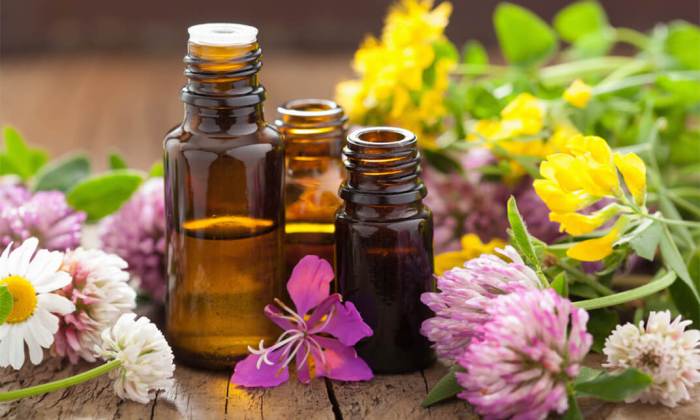
Quality sleep plays a crucial role in managing stress effectively. It allows the body and mind to rest, recharge, and repair, contributing to overall well-being and emotional stability.
Enhancing Sleep Quality with Aromatherapy and Essential Oils, How to manage stress with aromatherapy and essential oils
Aromatherapy and essential oils can be powerful tools in improving sleep quality. Here are some suggestions on how to incorporate them into your bedtime routine:
- Diffuse lavender essential oil in your bedroom before sleep. Lavender is known for its calming and relaxing properties, helping to promote a sense of tranquility.
- Create a bedtime ritual by applying a calming essential oil blend, such as chamomile or sandalwood, to pulse points or adding a few drops to a warm bath.
- Use a pillow spray with essential oils like bergamot or ylang-ylang to create a soothing atmosphere conducive to sleep.
The Link Between Proper Sleep and Emotional Balance
Adequate and quality sleep is closely linked to emotional balance and mental well-being. When we get enough rest, our bodies can regulate emotions more effectively, reducing stress and anxiety levels. Lack of sleep, on the other hand, can lead to irritability, mood swings, and heightened stress responses.
Immune Boost
Stress can have a significant impact on our immune system, making us more susceptible to illnesses. By managing stress through aromatherapy, we can help boost our immune system and improve our overall health.
Connection between Stress and Immune Function
Chronic stress can weaken the immune system, making it harder for our bodies to fight off infections and diseases. High levels of stress hormones like cortisol can suppress the immune response, leaving us vulnerable to various health issues.
- Studies have shown that high levels of stress can increase inflammation in the body, which can negatively affect the immune system.
- Chronic stress can also reduce the production of white blood cells, which play a crucial role in fighting off infections.
- Long-term stress can disrupt the balance of immune cells in the body, making it harder for the immune system to function properly.
Essential Oils for Immune Boosting
Using certain essential oils in aromatherapy can help support the immune system and reduce the impact of stress on our health.
- Lavender:Known for its calming properties, lavender essential oil can help reduce stress and promote relaxation, which in turn can support the immune system.
- Tea Tree:Tea tree essential oil has antiviral and antibacterial properties that can help boost the immune system and protect against infections.
- Lemon:Lemon essential oil is rich in antioxidants and can help stimulate white blood cell production, enhancing the immune response.
Preventive Care
Stress management is not just about dealing with stress when it arises but also about taking proactive steps to prevent it from occurring in the first place. Preventive care practices play a crucial role in maintaining overall well-being and reducing the impact of stress on our daily lives.
Role of Aromatherapy in Preventive Healthcare
Aromatherapy can be a powerful tool in preventive healthcare routines due to its ability to promote relaxation, reduce anxiety, and improve mood. By incorporating essential oils into your daily routine, you can create a calming environment that helps prevent stress from building up.
Whether through diffusers, inhalers, or topical applications, essential oils provide a natural and holistic approach to maintaining mental and emotional balance.
Tips for Incorporating Essential Oils into Preventive Care Regimens
- Start your day with a few drops of uplifting essential oils like lemon or peppermint to boost your mood and energy levels.
- Keep a rollerball blend of calming oils like lavender or chamomile with you for on-the-go stress relief.
- Create a bedtime routine with relaxing oils such as cedarwood or bergamot to promote quality sleep and reduce nighttime stress.
- Experiment with different essential oil blends to find what works best for you and your unique stress triggers.
- Remember to dilute essential oils properly and perform a patch test before using them to prevent any adverse reactions.
Ending Remarks
In conclusion, How to manage stress with aromatherapy and essential oils: Practical Tips for Wellness encapsulates the essence of using these natural tools to combat stress, promoting emotional balance, physical health, and mental clarity for a more harmonious lifestyle.
Clarifying Questions
Can aromatherapy really help with stress relief?
Yes, aromatherapy has been proven to have calming effects on the mind and body, making it an effective tool for managing stress.
How do essential oils enhance sleep quality?
Essential oils like lavender and chamomile can promote relaxation and improve sleep quality when used in aromatherapy practices before bedtime.
What are some nutrient-rich foods that help reduce stress?
Foods rich in omega-3 fatty acids, magnesium, and vitamin C, such as fish, nuts, and citrus fruits, can help reduce stress levels.
Is regular exercise important for stress management?
Yes, regular exercise releases endorphins and reduces cortisol levels, playing a key role in alleviating stress and improving overall well-being.


