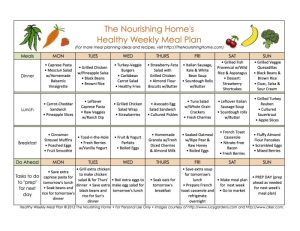
How to boost immune system naturally with diet starts the conversation on building a stronger defense system by making simple yet impactful changes in your eating habits. Dive into the world of immune-boosting nutrients and discover the power of food in supporting your overall health.
Balanced Diet
Eating a balanced diet plays a crucial role in naturally boosting the immune system. A variety of nutrients from different food groups support the body’s ability to fight off infections and maintain overall health.
Nutrient-Rich Foods for Immune Health
- Colorful fruits and vegetables: Rich in vitamins A, C, and E, as well as antioxidants that help protect cells from damage.
- Lean proteins: Sources like poultry, fish, tofu, and legumes provide essential amino acids for immune system function.
- Whole grains: High in fiber and nutrients like selenium, which has been linked to improved immune response.
- Healthy fats: Avocados, nuts, and seeds contain omega-3 fatty acids that reduce inflammation and support immune function.
- Probiotic-rich foods: Yogurt, kefir, and fermented foods promote a healthy gut microbiome, which is crucial for immune health.
Impact of Processed Foods
Processed foods high in sugar, unhealthy fats, and additives can have a negative impact on immune function. They may lead to inflammation, weaken the immune response, and disrupt the balance of gut bacteria. It’s important to limit the intake of processed foods and focus on whole, nutrient-dense options to support a strong immune system.
Mental Wellness
Maintaining good mental health is crucial for a strong immune system. The mind and body are closely interconnected, and stress, anxiety, and negative emotions can weaken the immune response.Stress Management Techniques:
1. Practice Deep Breathing Exercises
- Breathing exercises help calm the mind and reduce stress levels.
- Deep breathing triggers the relaxation response, which can positively impact immune function.
2. Engage in Regular Physical Activity
- Exercise releases endorphins, which are natural mood lifters.
- Regular physical activity can help reduce stress and boost immunity.
3. Prioritize Sleep and Rest
- Adequate sleep is essential for overall health and immune function.
- Make sure to get 7-9 hours of quality sleep each night to support your immune system.
Benefits of Mindfulness Practices:
4. Mindful Meditation
- Mindfulness meditation can reduce stress and promote a sense of well-being.
- Regular practice of mindfulness techniques can enhance immune function.
5. Positive Visualization
- Visualizing positive outcomes can help reduce anxiety and improve mental health.
- Positive visualization techniques can have a beneficial impact on immune health.
Physical Fitness
Regular exercise plays a crucial role in enhancing the immune system. It can help improve circulation, reduce inflammation, and promote overall health, which in turn strengthens the body’s natural defense mechanisms.
Types of Exercises Beneficial for Immune Function, How to boost immune system naturally with diet
- Cardiovascular exercises such as running, cycling, or swimming can help increase the production of white blood cells, which are essential for fighting off infections.
- Strength training exercises like weightlifting or bodyweight exercises can improve muscle mass and boost immune function.
- Yoga and Pilates can help reduce stress levels, which can have a positive impact on the immune system.
Relationship Between Physical Fitness and Immune Response
Regular physical activity has been shown to enhance immune response by increasing the circulation of immune cells in the body. Exercise can also help regulate inflammation and improve overall health, which are key factors in maintaining a strong immune system.
Adequate Hydration
Maintaining adequate hydration is essential for supporting immune function. Water plays a crucial role in various bodily functions, including helping to flush out toxins and waste products, regulating body temperature, and transporting nutrients to cells. Dehydration can have a negative impact on immune health, making the body more susceptible to illnesses and infections.
Tips for Ensuring Adequate Hydration
- Drink at least 8-10 glasses of water per day, more if you are physically active or in hot weather.
- Include hydrating foods in your diet such as fruits and vegetables with high water content like watermelon, cucumber, and oranges.
- Carry a reusable water bottle with you to remind yourself to drink water throughout the day.
- Avoid excessive consumption of sugary or caffeinated beverages, as they can dehydrate the body.
Effects of Dehydration on Immune Health
When the body is dehydrated, it can lead to a decrease in the production of lymphatic fluid, which is essential for carrying immune cells throughout the body. This can weaken the immune system and make it harder for the body to fight off infections.
Healthy Lifestyle
Maintaining a healthy lifestyle is crucial for supporting a strong immune system and overall well-being. By incorporating certain habits into your daily routine, you can boost your body’s natural defenses and enhance your health.
Regular Exercise
Regular physical activity is key to a healthy lifestyle and a robust immune system. Exercise helps improve circulation, reduce inflammation, and strengthen the immune response. Aim for at least 150 minutes of moderate-intensity exercise per week, such as brisk walking, jogging, or cycling.
Adequate Sleep
Getting enough quality sleep is essential for immune function and overall health. Lack of sleep can weaken the immune system, making you more susceptible to infections. Aim for 7-9 hours of sleep per night and establish a consistent bedtime routine to improve sleep quality.
Stress Management
Chronic stress can suppress the immune system and increase the risk of illness. Practice stress-reducing techniques such as meditation, deep breathing exercises, yoga, or spending time in nature. Prioritize self-care and make time for activities that help you relax and unwind.
Healthy Eating Habits
A balanced diet rich in fruits, vegetables, whole grains, lean proteins, and healthy fats provides essential nutrients that support immune function. Incorporate foods high in vitamins C, D, and E, as well as zinc and selenium, to strengthen your immune system.
Limit processed foods, sugary snacks, and excessive alcohol consumption, as they can weaken immunity.
Hygiene Practices
Practicing good hygiene, such as washing your hands regularly, covering your mouth and nose when sneezing or coughing, and avoiding close contact with sick individuals, can help prevent the spread of infections. Keep your living spaces clean and sanitized to reduce the risk of exposure to harmful pathogens.
Preventive Care
Incorporating preventive care practices into your daily routine is crucial for boosting your immune system and maintaining overall health. By taking proactive steps to prevent illnesses and infections, you can significantly reduce the risk of compromising your immune system’s ability to function optimally.
Role of Vaccinations
Vaccinations play a vital role in preventing various infectious diseases by exposing the body to a small, harmless amount of a specific pathogen. This exposure triggers the immune system to produce antibodies, which provide immunity against future infections. By staying up to date with recommended vaccinations, you can strengthen your immune response and protect yourself from potentially serious illnesses.
Incorporating Preventive Care Practices
- Regular Health Check-ups: Schedule routine check-ups with your healthcare provider to monitor your overall health and catch any potential issues early.
- Healthy Hygiene Habits: Practice good hygiene, such as washing your hands regularly, to prevent the spread of germs and reduce the risk of infections.
- Proper Nutrition: Maintain a balanced diet rich in vitamins, minerals, and antioxidants to support your immune system’s function.
- Regular Exercise: Engage in physical activity to boost your immune system, reduce inflammation, and improve overall health.
- Adequate Sleep: Prioritize quality sleep to allow your body to repair and regenerate, supporting a strong immune response.
Quality Sleep
Quality sleep plays a crucial role in supporting our immune system. During sleep, our body produces and releases cytokines, a type of protein that helps the immune system respond to infections and inflammation. Lack of quality sleep can weaken the immune response, making us more susceptible to illnesses.
Benefits of Quality Sleep for Immune Function
- Improves immune response: Quality sleep helps the body produce cytokines more effectively, enhancing the immune system’s ability to fight off infections.
- Reduces inflammation: Adequate sleep can help reduce inflammation in the body, which is essential for overall immune health.
- Enhances immune memory: Good sleep supports the formation of immune memory, allowing the body to remember previous infections and respond faster to future threats.
Tips for Improving Sleep Quality
- Establish a bedtime routine: Create a relaxing bedtime routine to signal to your body that it’s time to wind down and prepare for sleep.
- Avoid screens before bedtime: Blue light from screens can interfere with the production of melatonin, a hormone that regulates sleep. Try to limit screen time before bed.
- Create a comfortable sleep environment: Make sure your bedroom is conducive to sleep by keeping it dark, quiet, and at a comfortable temperature.
- Limit caffeine and alcohol intake: Caffeine and alcohol can disrupt sleep patterns, so it’s best to avoid them close to bedtime.
Effects of Sleep Deprivation on Immune Health
- Increased susceptibility to infections: Chronic sleep deprivation can weaken the immune system, making it harder for the body to fight off infections.
- Higher inflammation levels: Lack of quality sleep can lead to increased inflammation in the body, which can negatively impact immune function.
- Impaired immune memory: Poor sleep can affect the body’s ability to form immune memory, reducing its capacity to respond effectively to pathogens.
Cardio Health: How To Boost Immune System Naturally With Diet
Regular cardiovascular exercise plays a crucial role in supporting the immune system by promoting overall health and well-being. By engaging in heart-healthy activities, individuals can enhance their immune function, leading to better protection against illnesses and infections.
Impact of Cardiovascular Health on the Immune System
Cardiovascular health directly impacts the immune system as it helps improve blood circulation, reduce inflammation, and enhance the body’s ability to fight off infections. A strong cardiovascular system can also contribute to better overall health, which is essential for a robust immune response.
Benefits of Cardiovascular Exercise on Immune Function
- Increased circulation of white blood cells, which play a key role in fighting infections.
- Reduced inflammation throughout the body, aiding in the prevention of chronic diseases.
- Improved lung function and oxygen delivery, enhancing overall immune response.
- Strengthened heart muscle, leading to better cardiovascular health and immune function.
Heart-Healthy Activities that Support Immunity
Engaging in at least 150 minutes of moderate-intensity cardio exercise per week can significantly boost immune function.
- Brisk walking or jogging
- Cycling
- Swimming
- Dancing
- Aerobic exercises
Immune Boost
Boosting the immune system is crucial for overall health and well-being. One effective way to achieve this is through consuming immune-boosting foods and supplements.
Immune-Boosting Foods and Supplements
There are several foods and supplements that are known to enhance the body’s immune response:
- Eat more fruits and vegetables rich in vitamins and antioxidants.
- Include probiotics like yogurt and kefir to promote gut health.
- Garlic, ginger, and turmeric are known for their immune-boosting properties.
- Consider taking vitamin C, vitamin D, and zinc supplements to support immune function.
Effectiveness of Immune-Boosting Strategies
Various immune-boosting strategies can help strengthen the body’s defense mechanisms:
- Regular exercise can improve immune function and reduce inflammation.
- Reducing stress through mindfulness practices like meditation can benefit the immune system.
- Getting enough sleep is essential for immune health and overall well-being.
Tips for Enhancing Immune Response Naturally
Here are some tips to naturally enhance the body’s immune response:
- Stay hydrated by drinking plenty of water throughout the day.
- Avoid processed foods and sugar, which can weaken the immune system.
- Practice good hygiene to prevent the spread of germs and infections.
Positive Mindset
Maintaining a positive mindset plays a crucial role in supporting immune health. A positive outlook can help reduce stress levels, lower inflammation in the body, and enhance overall well-being, which in turn can boost the immune system’s function.
The Impact of Negativity on the Immune System
Negativity, whether in the form of constant worry, pessimism, or stress, can have detrimental effects on the immune system. When the body is under prolonged stress, it releases cortisol, a hormone that can suppress the immune response. This makes the body more susceptible to infections and illnesses.
- Negative emotions can weaken the immune system’s ability to fight off pathogens.
- Chronic stress can lead to inflammation, which is linked to various health issues.
- Unresolved emotional issues can impact overall well-being and decrease the body’s resilience against illnesses.
Techniques for Cultivating a Positive Mindset to Support Immunity
Cultivating a positive mindset is essential for maintaining a healthy immune system. Here are some techniques to help foster positivity:
- Practice gratitude daily to shift focus to the positive aspects of life.
- Engage in mindfulness and meditation to reduce stress and promote mental clarity.
- Surround yourself with supportive and positive individuals who uplift your mood.
- Acknowledge and challenge negative thoughts to reframe them in a more positive light.
- Engage in activities that bring joy and fulfillment, such as hobbies or spending time in nature.
Clean Eating
Clean eating plays a crucial role in boosting the immune system by providing essential nutrients and supporting overall health. By focusing on whole, unprocessed foods, you can help your body function at its best and maintain a strong immune response.
Benefits of Clean Eating for Immune Function
- Rich in Nutrients: Whole foods like fruits, vegetables, whole grains, and lean proteins are packed with vitamins, minerals, and antioxidants that support immune function.
- Reduced Inflammation: Clean eating can help reduce inflammation in the body, which can improve immune response and overall health.
- Healthy Gut: A diet high in fiber and probiotics from foods like yogurt and kefir can promote a healthy gut microbiome, which is essential for a strong immune system.
Examples of Clean Eating Habits
- Include a variety of colorful fruits and vegetables in your daily meals to ensure a range of nutrients.
- Choose whole grains like quinoa, brown rice, and oats over processed grains like white bread and pasta.
- Opt for lean proteins such as chicken, fish, tofu, and legumes to support muscle health and immune function.
Impact of Processed and Unhealthy Foods on Immunity
- Processed foods high in sugar, unhealthy fats, and artificial ingredients can weaken the immune system and contribute to inflammation.
- Excessive consumption of processed foods can lead to nutrient deficiencies, which are crucial for proper immune function.
- A diet high in unhealthy foods can disrupt the balance of gut bacteria, affecting overall immunity and health.
Daily Activity
Regular physical activity plays a crucial role in maintaining a strong immune system. Engaging in daily exercise can help boost immunity, reduce inflammation, and improve overall health. It is essential to incorporate physical activity into your routine to support your immune system and overall well-being.
Importance of Daily Physical Activity
Regular exercise is essential for enhancing the immune system’s function. Physical activity helps increase the production of antibodies and white blood cells, which are crucial for fighting off infections. Additionally, exercise promotes good circulation, allowing immune cells to move freely throughout the body and detect and eliminate pathogens more effectively.
- Exercise boosts the immune system by enhancing circulation and promoting the production of immune cells.
- Regular physical activity can help reduce inflammation, which can weaken the immune response.
- Engaging in daily exercise can also improve overall health and well-being, leading to a stronger immune system.
Tips for Incorporating Daily Activity
Find activities you enjoy to make exercise a regular part of your routine.
- Set aside time each day for physical activity, whether it’s walking, jogging, cycling, or yoga.
- Include both cardio and strength training exercises in your routine to benefit your overall health.
- Join group fitness classes or sports teams to stay motivated and make exercise more enjoyable.
Effects of a Sedentary Lifestyle
A sedentary lifestyle, characterized by long periods of sitting or inactivity, can have detrimental effects on the immune system. Lack of physical activity can lead to weakened immunity, increased inflammation, and a higher risk of chronic diseases. It is crucial to avoid prolonged periods of inactivity and prioritize daily activity to support your immune health.
- Sedentary behavior can weaken the immune system and increase the risk of infections and illnesses.
- Prolonged sitting or inactivity can contribute to inflammation in the body, negatively impacting immune function.
- Regular physical activity is essential for maintaining a strong immune system and overall health.
Holistic Health
Holistic health focuses on treating the whole person, considering physical, mental, emotional, and spiritual well-being. This approach emphasizes the interconnectedness of all aspects of health and how they influence each other.
Impact on the Immune System
Holistic health practices can have a significant impact on the immune system by addressing underlying imbalances and strengthening the body’s natural defense mechanisms. By promoting overall well-being and balance, holistic approaches can enhance immune function and reduce the susceptibility to illnesses.
- Practicing mindfulness and stress-reduction techniques such as meditation and yoga can help lower cortisol levels and improve immune response.
- Eating a nutrient-dense diet rich in fruits, vegetables, whole grains, and lean proteins can provide essential vitamins and minerals that support immune function.
- Engaging in regular physical activity not only boosts cardiovascular health but also enhances immune function by promoting circulation and lymphatic drainage.
- Using herbal remedies and supplements like echinacea, elderberry, and probiotics can help support immune health and prevent infections.
Mindful Living
Living mindfully can have a profound impact on our immune system. By being present in the moment and practicing mindfulness, we can reduce stress levels, improve mental well-being, and support overall immune function.
Benefits of Mindful Living for Immune Function
- Reduces stress: Mindfulness helps lower cortisol levels, which can suppress the immune system when elevated for long periods.
- Enhances mental well-being: A positive mindset and reduced anxiety can have a direct impact on immune health.
- Improves sleep quality: Mindfulness practices can help regulate sleep patterns, contributing to a healthy immune system.
Incorporating Mindfulness into Daily Life
- Start with small practices: Take a few minutes each day to focus on your breath or surroundings to cultivate mindfulness.
- Practice gratitude: Reflect on what you’re thankful for to shift your mindset and reduce stress.
- Mindful eating: Pay attention to your food, savor each bite, and listen to your body’s hunger cues.
Emotional Balance
Maintaining emotional balance is crucial for overall health and well-being, including immune health. When we experience stress, anxiety, or negative emotions, our body releases stress hormones that can weaken the immune system. On the other hand, positive emotions can boost immunity and help the body fight off infections more effectively.
Strategies for Emotional Balance to Boost Immunity
- Acknowledge your feelings: It’s important to recognize and accept your emotions, whether they are positive or negative. Avoid suppressing or ignoring them, as this can lead to increased stress levels.
- Practice relaxation techniques: Engage in activities like deep breathing, meditation, yoga, or tai chi to help reduce stress and promote emotional well-being.
- Stay connected: Maintain strong relationships with friends and family members to provide support and encouragement during challenging times.
- Engage in hobbies: Pursue activities that bring you joy and relaxation, such as painting, gardening, cooking, or listening to music.
- Seek professional help if needed: If you are struggling to manage your emotions or experiencing prolonged stress, consider speaking to a therapist or counselor for guidance and support.
Health Education
Health education plays a crucial role in promoting immune health by providing individuals with the knowledge and tools to make informed decisions about their well-being. By staying informed about health-related topics, individuals can take proactive steps to support their immune system and overall health.
Role of Health Education
Health education empowers individuals to make healthy choices that can boost their immune system. It provides information on the importance of balanced nutrition, regular exercise, adequate sleep, stress management, and other lifestyle factors that can impact immunity. By educating themselves on these topics, individuals can take control of their health and well-being.
Importance of Staying Informed
Staying informed about health-related topics is essential for maintaining optimal immune function. By keeping up-to-date with the latest research, guidelines, and recommendations, individuals can make informed decisions about their health. This knowledge can help individuals identify potential risk factors, adopt healthy habits, and seek appropriate care when needed.
Resources for Ongoing Health Education
There are various resources available to support ongoing health education and promote immunity. These include reputable websites, health magazines, online courses, webinars, workshops, and seminars. Additionally, consulting with healthcare professionals, such as doctors, nutritionists, and fitness trainers, can provide personalized guidance and recommendations for enhancing immune health.
Self-Care
Self-care practices play a crucial role in supporting immune function and overall well-being. By prioritizing self-care, individuals can boost their immune system, reduce stress levels, and enhance their overall health. Neglecting self-care, on the other hand, can have detrimental effects on immunity and increase the risk of illness.
Significance of Self-Care for Immune Function
Self-care activities not only help in managing stress but also contribute to better immune function. When individuals prioritize self-care, they are better equipped to handle the daily challenges and stressors that can weaken the immune system. By taking care of their physical, mental, and emotional well-being, individuals can strengthen their immune response and reduce the risk of illnesses.
Examples of Self-Care Activities
- Practicing mindfulness and meditation to reduce stress levels
- Engaging in regular exercise to boost immunity
- Eating a balanced diet rich in nutrients to support overall health
- Getting adequate sleep to allow the body to repair and rejuvenate
- Taking time for hobbies and activities that bring joy and relaxation
Impact of Neglecting Self-Care on Immunity
Neglecting self-care can have a serious impact on immunity. When individuals fail to prioritize self-care activities, they may experience increased stress, poor sleep quality, unhealthy eating habits, and lack of physical activity. These factors can weaken the immune system, making individuals more susceptible to infections and illnesses.
It is essential to incorporate self-care practices into daily routines to support immune function and overall health.
Chronic Disease
Chronic diseases can significantly weaken the immune system over time, making the body more susceptible to infections and illnesses. Conditions like diabetes, heart disease, obesity, and autoimmune disorders can all impact immune function, leading to a higher risk of complications and slower recovery from illnesses.
Managing Chronic Conditions
- Follow a treatment plan prescribed by healthcare professionals to keep chronic conditions under control.
- Monitor vital signs and symptoms regularly to detect any changes or complications early.
- Engage in regular physical activity to improve overall health and manage chronic disease symptoms.
- Adopt a balanced diet rich in nutrients to support immune function and overall well-being.
- Practice stress-reducing techniques like yoga, meditation, or deep breathing to minimize the impact of chronic stress on the immune system.
Preventing Chronic Diseases
- Maintain a healthy weight through diet and exercise to reduce the risk of obesity and related chronic conditions.
- Avoid smoking and limit alcohol consumption to protect against heart disease, cancer, and other chronic illnesses.
- Get regular check-ups and screenings to catch potential health issues early and prevent them from becoming chronic conditions.
- Stay hydrated, get enough sleep, and manage stress effectively to support overall health and immunity.
- Limit processed foods, sugary beverages, and unhealthy fats in your diet to prevent inflammation and chronic disease development.
Outcome Summary
Explore the multitude of ways in which you can naturally enhance your immune system through dietary choices, setting the foundation for a healthier and more resilient lifestyle.
FAQ Guide
Can specific foods really boost my immune system?
Certain foods rich in nutrients like vitamin C, zinc, and antioxidants can indeed support your immune system and help it function optimally.
Is it necessary to take supplements to boost immunity?
While supplements can be beneficial, focusing on a nutrient-dense diet with whole foods is usually sufficient to enhance your immune system naturally.
How quickly can changes in diet impact my immune system?
Consistent healthy eating habits can lead to noticeable improvements in immune function over time, but immediate effects may vary.