Importance of regular medical check-ups for a healthy lifestyle sets the stage for this enthralling narrative, offering readers a glimpse into a story that is rich in detail and brimming with originality from the outset. It highlights the crucial role that routine health assessments play in maintaining overall well-being.
Balanced Diet, Mental Wellness, Physical Fitness, Adequate Hydration, Regular Exercise, and various other aspects contribute to a holistic approach to health and underline the importance of preventive care through regular medical check-ups.
Balanced Diet
Eating a balanced diet is crucial for maintaining a healthy lifestyle as it provides the necessary nutrients for overall well-being. A balanced diet consists of a variety of foods that offer a mix of essential vitamins, minerals, carbohydrates, proteins, and fats.
Importance of Nutrient-rich Foods
Including nutrient-rich foods in your diet is essential to meet your body’s requirements and promote good health. Some examples of nutrient-rich foods that should be included in a balanced diet are:
- Fruits and vegetables: Rich in vitamins, minerals, and antioxidants that boost immunity and support overall health.
- Whole grains: Provide fiber, essential nutrients, and energy for optimal functioning of the body.
- Lean proteins: Sources like chicken, fish, tofu, and legumes offer essential amino acids for muscle building and repair.
- Dairy or dairy alternatives: Good sources of calcium, vitamin D, and protein crucial for bone health and overall well-being.
- Healthy fats: Foods like nuts, seeds, avocados, and olive oil contain essential fatty acids important for heart health and brain function.
Contribution to Overall Health
A balanced diet contributes significantly to overall health by providing the body with essential nutrients required for various bodily functions. It helps maintain a healthy weight, supports proper digestion, boosts immunity, and reduces the risk of chronic diseases such as heart disease, diabetes, and certain cancers.
By fueling the body with a balanced mix of nutrients, individuals can optimize their health and well-being in the long run.
Mental Wellness
Regular medical check-ups play a crucial role in maintaining not just physical health but mental well-being as well. The link between physical health and mental wellness is intricate, with one significantly impacting the other. When it comes to leading a healthy lifestyle, mental wellness is just as important as physical health.
Influence of Physical Health Assessments on Mental Well-being
Physical health assessments during regular check-ups can have a profound impact on mental well-being. By monitoring vital signs, blood tests, and overall health indicators, healthcare providers can detect early warning signs of potential mental health issues. For example, imbalances in hormones or nutrient deficiencies can contribute to mood disorders like anxiety or depression.
Addressing these physical health concerns can prevent or alleviate mental health issues, promoting overall well-being.
Role of Mental Wellness in a Healthy Lifestyle
Mental wellness is a key component of leading a healthy lifestyle. When individuals prioritize their mental health, they are better equipped to make positive lifestyle choices, such as maintaining a balanced diet, exercising regularly, and getting an adequate amount of sleep.
Mental well-being also influences stress management, resilience, and emotional stability, all of which are essential for overall health and quality of life.
Physical Fitness: Importance Of Regular Medical Check-ups For A Healthy Lifestyle
Regular medical check-ups play a crucial role in monitoring our physical fitness levels. These check-ups help healthcare professionals assess our overall health status, including vital signs, body mass index (BMI), cholesterol levels, blood pressure, and other key indicators of physical well-being.
Importance of Incorporating Physical Activity
Physical activity is essential for maintaining a healthy lifestyle. Incorporating regular exercise routines into our daily lives can help improve cardiovascular health, strengthen muscles and bones, boost metabolism, and enhance overall well-being. It also plays a significant role in weight management and reducing the risk of chronic diseases such as heart disease, diabetes, and obesity.
- Regular physical activity can help reduce stress, anxiety, and depression, promoting mental wellness in addition to physical health.
- Engaging in exercises like aerobics, strength training, and flexibility exercises can enhance our endurance, strength, and flexibility, contributing to an active and fulfilling lifestyle.
- Physical fitness can also improve sleep quality, cognitive function, and overall quality of life, leading to a healthier and happier existence.
Adequate Hydration
Maintaining adequate hydration is crucial for overall health and well-being. Water plays a vital role in various bodily functions, such as regulating body temperature, aiding digestion, and transporting nutrients and oxygen to cells.
Assessing Hydration Levels
During medical check-ups, healthcare providers may assess hydration levels through various methods, including:
Blood tests
Checking electrolyte levels can indicate hydration status.
Urine color and volume
Dark yellow urine and low urine output may suggest dehydration.
Skin turgor
Reduced skin elasticity can be a sign of dehydration.
Vital signs
Changes in heart rate and blood pressure can indicate dehydration.
Tips for Staying Hydrated
- Drink plenty of water throughout the day, aiming for at least 8-10 glasses.
- Include hydrating foods in your diet, such as fruits and vegetables with high water content.
- Avoid excessive consumption of caffeinated or alcoholic beverages, as they can contribute to dehydration.
- Carry a reusable water bottle with you to remind yourself to drink water regularly.
- Monitor your hydration by paying attention to thirst cues and the color of your urine.
Regular Exercise
Regular exercise plays a crucial role in maintaining overall health and well-being. It is closely linked to the importance of regular medical check-ups as it helps in preventing chronic diseases, managing weight, and improving mental health.
Examples of Exercise Routines
- Cardiovascular exercises such as running, swimming, or cycling help in improving heart health and boosting endurance.
- Strength training exercises like weightlifting or bodyweight exercises help in building muscle strength and promoting bone health.
- Flexibility exercises such as yoga or Pilates enhance flexibility, balance, and posture.
Impact of Regular Exercise on Physical Health
Regular exercise has numerous benefits on physical health:
- Improves cardiovascular health by strengthening the heart and reducing the risk of heart diseases.
- Helps in maintaining a healthy weight and reducing the risk of obesity-related conditions.
- Enhances muscle strength, endurance, and flexibility, leading to better overall physical performance.
- Boosts immune function, reducing the risk of infections and illnesses.
Healthy Lifestyle
Maintaining a healthy lifestyle involves making conscious choices that promote overall well-being and longevity. Regular medical check-ups play a crucial role in this by helping individuals stay proactive about their health and detect any potential issues early on.
Healthy Habits for Daily Life
- Eat a balanced diet rich in fruits, vegetables, whole grains, and lean proteins.
- Get an adequate amount of sleep each night to support physical and mental health.
- Avoid harmful habits such as smoking and excessive alcohol consumption.
- Practice stress-reducing activities like meditation, yoga, or deep breathing exercises.
- Engage in regular physical activity, whether it’s through structured exercise routines or daily walks.
Benefits of Maintaining a Healthy Lifestyle
- Reduced risk of chronic diseases such as heart disease, diabetes, and certain cancers.
- Improved mental well-being and cognitive function.
- Enhanced energy levels and overall vitality.
- Better management of weight and metabolism.
- Increased longevity and quality of life in the long run.
Stress Management
Stress management plays a crucial role in maintaining good health by reducing the negative impact of stress on both physical and mental well-being.
Importance of Stress Management
Effective stress management is essential to prevent the development of various health issues such as heart disease, obesity, depression, and anxiety. It also helps in improving immune function and overall quality of life.
Identifying Stress-Related Issues through Regular Medical Assessments
Regular medical check-ups can help in identifying early signs of stress-related issues such as high blood pressure, insomnia, digestive problems, and muscle tension. Healthcare professionals can provide guidance on managing stress before it escalates into serious health problems.
Effective Stress Management Techniques
- Practice relaxation techniques such as deep breathing, meditation, and yoga to calm the mind and body.
- Engage in physical activities like exercise or sports to release endorphins and reduce stress levels.
- Maintain a healthy work-life balance by setting boundaries and prioritizing self-care.
- Connect with friends and family for emotional support and social interaction.
- Seek professional help from therapists or counselors for coping strategies and stress management techniques.
Preventive Care
Regular medical check-ups play a crucial role in preventive care, which focuses on taking proactive measures to avoid illnesses and maintain overall health. By detecting potential health issues early on, individuals can address them before they escalate into more serious conditions.
Preventive care encompasses various strategies that promote well-being and longevity.
Significance of Preventive Care
Preventive care involves routine screenings, vaccinations, and lifestyle modifications that aim to reduce the risk of developing chronic diseases. These proactive measures not only save lives but also reduce healthcare costs by preventing the need for extensive treatments or hospitalizations.
Regular medical check-ups serve as a cornerstone of preventive care, allowing healthcare providers to assess an individual’s health status and recommend appropriate interventions.
- Screenings for conditions such as high blood pressure, cholesterol levels, and cancer can help identify early warning signs and enable timely interventions.
- Vaccinations play a crucial role in preventing infectious diseases and protecting individuals from potential outbreaks.
- Healthy lifestyle modifications, including maintaining a balanced diet, regular exercise, and stress management, can significantly reduce the risk of developing chronic conditions.
Proper Nutrition
Proper nutrition plays a crucial role in sustaining a healthy lifestyle by providing essential nutrients for the body to function optimally.
The Role of Medical Check-ups in Assessing Nutritional Deficiencies
Regular medical check-ups can help assess nutritional deficiencies or imbalances through blood tests, physical examinations, and discussions with healthcare providers. These assessments can identify issues such as vitamin deficiencies, anemia, or malnutrition.
Tips to Maintain Proper Nutrition for Overall Well-being
- Aim for a balanced diet that includes a variety of fruits, vegetables, whole grains, lean proteins, and healthy fats.
- Stay hydrated by drinking an adequate amount of water throughout the day.
- Avoid processed foods high in added sugars, unhealthy fats, and sodium.
- Read food labels to make informed choices about the nutritional content of the products you consume.
- Consult with a registered dietitian for personalized nutrition advice and meal planning.
Quality Sleep
Quality sleep is essential for maintaining optimal health and well-being. It plays a crucial role in various bodily functions, including cognitive function, immune system regulation, and emotional well-being.
Regular medical check-ups can help address sleep-related issues by identifying underlying health conditions that may be affecting your sleep quality. Physicians can provide guidance on improving sleep hygiene and recommend further evaluation if necessary.
Tips for Improving Sleep Quality
- Avoid caffeine and electronics before bedtime to promote relaxation.
- Establish a consistent sleep schedule to regulate your body’s internal clock.
- Create a comfortable sleep environment by keeping your bedroom cool, dark, and quiet.
- Practice relaxation techniques such as deep breathing or meditation to reduce stress and promote sleep.
- Avoid heavy meals and strenuous exercise close to bedtime to allow your body to wind down naturally.
Cardio Health
Regular medical check-ups play a crucial role in monitoring and improving cardiovascular health. The significance of cardiovascular health in overall well-being cannot be overstated, as the heart is a vital organ that pumps blood throughout the body, delivering essential nutrients and oxygen to cells while removing waste products.
Here are some lifestyle changes that can promote heart health:
Healthy Diet
Eating a balanced diet rich in fruits, vegetables, whole grains, lean proteins, and healthy fats can help reduce the risk of heart disease. Limiting intake of saturated fats, trans fats, cholesterol, sodium, and added sugars is also important to maintain a healthy heart.
Regular Exercise
Engaging in regular physical activity such as aerobic exercises, strength training, and flexibility exercises can improve cardiovascular health. Aim for at least 150 minutes of moderate-intensity exercise per week to keep your heart strong and healthy.
Quit Smoking
Smoking is a major risk factor for heart disease and other cardiovascular conditions. If you smoke, quitting can significantly reduce your risk of heart attacks, strokes, and other heart-related issues.
Manage Stress
Chronic stress can have a negative impact on heart health. Practice stress-reducing techniques such as deep breathing, meditation, yoga, or spending time in nature to help lower stress levels and protect your heart.
Monitor Blood Pressure and Cholesterol
Regularly checking your blood pressure and cholesterol levels can help identify any potential issues early on. High blood pressure and high cholesterol are both risk factors for heart disease, so keeping these levels in check is essential for a healthy heart.
Immune Boost
Regular medical check-ups play a crucial role in boosting the immune system. By monitoring your overall health and detecting any underlying issues early on, you can take proactive steps to strengthen your immune function. A strong immune system is essential for fighting off infections and diseases, ultimately contributing to your overall well-being.
Tips for Enhancing Immune Function
- Include immune-boosting foods in your diet, such as fruits, vegetables, nuts, and seeds.
- Stay hydrated to help flush out toxins and support immune function.
- Get regular exercise to improve circulation and immune response.
- Manage stress through relaxation techniques like meditation or yoga.
- Ensure you are getting enough quality sleep to allow your body to repair and regenerate.
Positive Mindset
Maintaining a positive mindset is crucial for overall well-being and plays a significant role in leading a healthy lifestyle. A positive outlook can help in coping with stress, improving mental health, and enhancing physical health.Regular medical assessments can have a profound impact on one’s mental outlook.
By staying proactive and monitoring health through check-ups, individuals can feel a sense of control over their well-being. Knowing that they are taking steps to prevent potential health issues can reduce anxiety and promote a positive mindset.
Cultivating a Positive Mindset, Importance of regular medical check-ups for a healthy lifestyle
One strategy for cultivating a positive mindset is practicing gratitude. Taking time each day to reflect on things you are grateful for can shift focus towards the positive aspects of life.
Engaging in mindfulness activities, such as meditation or deep breathing exercises, can help in reducing stress and promoting a sense of calm and positivity.
Surrounding yourself with supportive and positive individuals can also contribute to a healthy mindset. Building a strong support system can provide encouragement and motivation during challenging times.
Clean Eating
Clean eating refers to consuming whole, minimally processed foods that are as close to their natural form as possible. This approach focuses on fresh fruits and vegetables, lean proteins, whole grains, and healthy fats while avoiding added sugars, preservatives, and artificial ingredients.
By adopting clean eating habits, individuals can benefit from improved digestion, increased energy levels, better weight management, and reduced risk of chronic diseases.
Benefits of Clean Eating
- Provides essential nutrients: Clean eating ensures that your body receives a wide range of vitamins, minerals, and antioxidants necessary for optimal health.
- Promotes weight management: By prioritizing whole foods over processed ones, clean eating can help control calorie intake and support weight loss or maintenance.
- Boosts energy levels: Nutrient-dense foods fuel your body more effectively, leading to increased energy and improved overall well-being.
- Supports overall health: A diet rich in whole foods can reduce inflammation, strengthen the immune system, and lower the risk of heart disease, diabetes, and other health conditions.
Regular Medical Check-ups and Clean Eating
Regular medical check-ups play a crucial role in supporting clean eating habits by monitoring key health indicators and identifying any nutritional deficiencies or imbalances. Healthcare professionals can offer personalized guidance on dietary choices, recommend specific nutrients based on individual needs, and track progress towards health goals.
By staying proactive with check-ups, individuals can ensure that their clean eating efforts are contributing to their overall well-being.
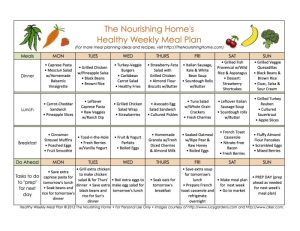
Examples of Clean Eating Meal Plans
| Breakfast | Lunch | Dinner |
|---|---|---|
| Vegetable omelette with whole grain toast | Grilled chicken salad with mixed greens | Baked salmon with quinoa and roasted vegetables |
| Fruit and yogurt parfait | Quinoa and black bean wrap | Stir-fried tofu with brown rice and steamed broccoli |
| Chia seed pudding with berries | Veggie stir-fry with tofu | Zucchini noodles with pesto and cherry tomatoes |
Daily Activity
Regular physical activity plays a crucial role in maintaining overall health and well-being. It helps improve cardiovascular health, boost immunity, enhance mental wellness, and manage weight effectively. Incorporating daily activity into our routine not only keeps us physically fit but also contributes to a healthy lifestyle.
Importance of Daily Physical Activity
- Improves cardiovascular health and reduces the risk of heart diseases.
- Boosts immunity and helps the body fight off infections and illnesses.
- Enhances mental well-being by reducing stress, anxiety, and depression.
- Manages weight effectively and prevents obesity-related health issues.
- Increases energy levels and improves overall quality of life.
Assessing Impact Through Medical Check-ups
Regular medical check-ups can help assess the impact of daily activity levels on our health. Through tests and evaluations, healthcare providers can determine if our physical activity is sufficient for maintaining good health or if adjustments are needed. Monitoring parameters like blood pressure, cholesterol levels, and body mass index can provide valuable insights into the effectiveness of our daily activity routine.
Tips for Incorporating Daily Activity
- Schedule at least 30 minutes of moderate-intensity exercise daily, such as brisk walking, cycling, or swimming.
- Find activities you enjoy to make exercise more enjoyable and sustainable.
- Incorporate movement into your daily routine, such as taking the stairs instead of the elevator or walking during phone calls.
- Set realistic goals and track your progress to stay motivated and accountable.
- Stay active throughout the day by standing, stretching, or taking short breaks from sitting.
Holistic Health
Holistic health focuses on the overall well-being of an individual, encompassing physical, mental, emotional, and spiritual aspects. It emphasizes the interconnectedness of these elements and aims to achieve balance and harmony in all areas of life. Taking a holistic approach to health means considering the whole person and not just addressing symptoms or specific health concerns.Regular medical check-ups play a crucial role in promoting holistic health by providing a comprehensive assessment of an individual’s health status.
These check-ups allow healthcare providers to identify potential issues early on and develop personalized plans to address them. By monitoring various aspects of health, such as physical fitness, mental wellness, and nutritional needs, medical check-ups help individuals maintain optimal well-being.
Holistic Health Practices
- Practicing mindfulness and meditation to reduce stress and promote mental clarity.
- Engaging in activities that promote emotional well-being, such as journaling or therapy.
- Adopting a balanced diet rich in nutrients to support overall health and vitality.
- Incorporating regular physical activity into daily routines to enhance physical fitness and energy levels.
- Ensuring adequate hydration to support bodily functions and maintain optimal health.
- Prioritizing quality sleep to allow the body to rest, recover, and rejuvenate.
- Engaging in activities that promote social connections and a sense of community for emotional support.
Mindful Living
Living mindfully involves being fully present and aware of your thoughts, feelings, sensations, and surroundings without judgment. This practice can bring numerous benefits to your overall well-being by reducing stress, improving focus, enhancing relationships, and promoting a sense of calm and balance in your life.
Benefits of Mindful Living
- Reduces stress and anxiety levels.
- Improves mental clarity and focus.
- Enhances emotional regulation and resilience.
- Promotes better decision-making and problem-solving skills.
- Strengthens relationships and communication with others.
How Medical Check-ups Encourage Mindful Lifestyle Choices
Medical check-ups serve as a reminder to prioritize your health and well-being, prompting you to make conscious choices that support a healthy lifestyle. By regularly monitoring your health, you become more aware of the importance of self-care and are motivated to adopt mindful practices in your daily routine.
Tips for Incorporating Mindfulness into Daily Routines
- Start your day with a few minutes of mindful breathing or meditation.
- Practice mindful eating by savoring each bite and being aware of your body’s hunger cues.
- Engage in activities mindfully, focusing on the present moment and fully immersing yourself in the experience.
- Take short mindfulness breaks throughout the day to check in with yourself and reset your mindset.
- End your day with a gratitude practice, reflecting on the positive aspects of your day.
Emotional Balance
Maintaining emotional balance is crucial for overall well-being as it plays a significant role in our mental and physical health. When our emotions are well-managed, we are better equipped to handle stress, make sound decisions, and maintain healthy relationships.
Importance of Emotional Balance
Emotional balance is essential for managing anxiety, depression, and other mental health issues. It helps in improving communication, problem-solving skills, and resilience. Regular medical assessments can aid in identifying any underlying emotional health concerns and provide appropriate interventions.
Strategies for Achieving Emotional Balance
- Practice mindfulness and meditation to stay present and manage stress effectively.
- Engage in activities that bring joy and relaxation, such as hobbies or spending time in nature.
- Build a strong support system of friends, family, or a therapist to talk about your feelings and concerns.
- Exercise regularly to release endorphins and boost your mood.
- Avoid negative influences and toxic relationships that can impact your emotional well-being.
- Seek professional help if you are struggling with persistent emotional issues or mental health conditions.
Health Education
Health education plays a crucial role in promoting a healthy lifestyle by providing individuals with the knowledge and skills needed to make informed decisions about their well-being.
Significance of Health Education
Health education equips individuals with the necessary information on nutrition, exercise, preventive care, and mental wellness. It empowers them to take control of their health and adopt healthy habits that can lead to a better quality of life.
Medical Professionals’ Role in Health Education
- During regular medical check-ups, medical professionals can educate individuals on the importance of screenings, vaccinations, and early detection of health issues.
- They can provide personalized advice on diet, exercise, and stress management based on the individual’s health status and risk factors.
- Medical professionals can also address any misconceptions or concerns that patients may have about their health, promoting a better understanding of their well-being.
Impact of Health Education on Long-Term Well-Being
Health education has a lasting impact on individuals’ well-being by fostering healthy behaviors and habits. By empowering individuals with knowledge, they are more likely to make positive choices that can prevent chronic diseases and improve overall health outcomes.
Self-Care
Self-care practices play a crucial role in maintaining good health by focusing on taking care of oneself physically, mentally, and emotionally. It involves activities and habits that promote overall well-being and can contribute to a healthy and balanced lifestyle.
Regular Medical Check-ups and Self-Care
Regular medical check-ups are an essential part of self-care routines as they help in early detection of any health issues or concerns. By scheduling routine check-ups with healthcare providers, individuals can monitor their health status, identify potential risks, and take proactive steps to maintain their well-being.
These check-ups provide an opportunity to discuss any symptoms, concerns, or lifestyle habits that may impact health, allowing for personalized recommendations and interventions to be implemented.
Self-Care Tips for a Healthy and Balanced Lifestyle
- Practice mindfulness and relaxation techniques to reduce stress levels and improve mental well-being.
- Engage in regular physical activity such as walking, yoga, or dancing to promote physical fitness.
- Ensure adequate hydration by drinking plenty of water throughout the day.
- Eat a balanced diet rich in fruits, vegetables, whole grains, and lean proteins for proper nutrition.
- Prioritize quality sleep by establishing a bedtime routine and creating a restful sleep environment.
- Manage stress through activities like meditation, deep breathing exercises, or hobbies that bring joy.
Chronic Disease
Regular medical check-ups play a crucial role in the early detection of chronic diseases, allowing for timely intervention and management. This proactive approach can significantly impact the outcome and quality of life for individuals facing such health challenges.
Importance of Early Detection
Regular check-ups enable healthcare providers to monitor key health indicators and identify any potential signs of chronic diseases at an early stage. This early detection allows for prompt treatment and intervention, potentially preventing the progression of the disease to more advanced stages.
Additionally, early diagnosis can lead to better treatment outcomes and improved prognosis for individuals with chronic conditions.
Managing Chronic Diseases Effectively
Through regular medical check-ups, individuals with chronic diseases can work closely with healthcare professionals to develop personalized treatment plans and monitoring strategies. These check-ups help in tracking the progression of the disease, adjusting treatment as needed, and addressing any complications that may arise.
By actively managing chronic diseases, individuals can better control symptoms, improve their overall health, and enhance their quality of life.
Preventive Measures for Reducing Risk
- Maintain a healthy weight through a balanced diet and regular exercise.
- Avoid tobacco use and limit alcohol consumption.
- Monitor blood pressure, cholesterol levels, and blood sugar regularly.
- Stay up to date with vaccinations and screenings for early detection.
- Manage stress through relaxation techniques, mindfulness, and social support.
- Engage in regular physical activity to improve cardiovascular health and overall well-being.
- Prioritize adequate sleep and practice good sleep hygiene habits.
End of Discussion
In conclusion, prioritizing regular medical check-ups is not just about addressing current health concerns but also about preventing future ones. By staying proactive and engaging in routine assessments, individuals can take charge of their well-being and lead a healthier life.
Essential Questionnaire
How often should I have a medical check-up?
It is generally recommended to have a medical check-up annually, but frequency may vary based on age, health history, and risk factors.
Are medical check-ups only necessary when I’m sick?
No, regular medical check-ups are important for preventive care and early detection of potential health issues before they escalate.
What can I expect during a routine medical check-up?
Typically, a medical check-up involves measurements like blood pressure, weight, and discussions about lifestyle habits and any concerns you may have.