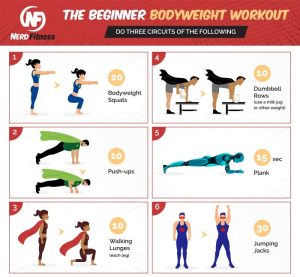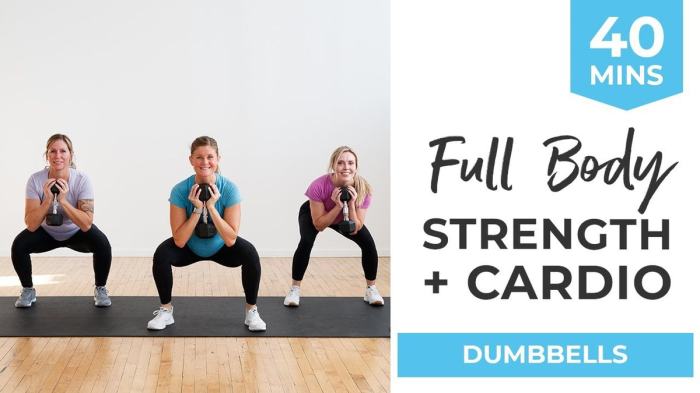
How to balance strength and cardio in regular workouts is essential for achieving overall fitness goals effectively. By understanding the importance of combining these exercises, you can optimize your workout routine for maximum results.
This guide will provide you with strategies, tips, and insights on how to create a well-rounded fitness plan that encompasses both strength and cardio training.
Introduction to Balancing Strength and Cardio Workouts
Regular exercise is essential for maintaining good physical health and overall fitness. Balancing strength and cardio workouts in your routine is crucial to achieving a well-rounded level of fitness. Strength training focuses on building muscle mass and strength, while cardio exercises improve cardiovascular health and endurance.
Incorporating both types of exercises can lead to a range of benefits that contribute to better physical health.
Importance of Balancing Strength and Cardio Workouts
Combining strength and cardio exercises helps target different aspects of fitness, providing a comprehensive workout that enhances overall health. Strength training not only increases muscle mass but also improves bone density and metabolism. On the other hand, cardio workouts help strengthen the heart, improve circulation, and boost endurance levels.
Benefits of Combining Strength and Cardio Training, How to balance strength and cardio in regular workouts
- Improved cardiovascular health and endurance
- Enhanced muscle strength and tone
- Increased metabolism and calorie burn
- Better overall physical performance
- Reduced risk of chronic diseases such as diabetes and heart disease
Strategies for Balancing Strength and Cardio Workouts
To achieve a well-rounded fitness routine, it is essential to incorporate both strength and cardio exercises. Here are some strategies to help you balance these two types of workouts effectively.
Examples of Workout Schedules
- Day 1: Strength training focusing on upper body (e.g., bench press, bicep curls) followed by a short cardio session (e.g., running or cycling for 20 minutes).
- Day 2: Cardio workout such as HIIT or running, followed by lower body strength training (e.g., squats, lunges).
- Day 3: Active recovery day with light cardio (e.g., walking or swimming) and stretching.
Adjusting Intensity Levels
- For strength training, increase weight or resistance gradually to challenge your muscles and promote growth.
- For cardio workouts, vary the intensity by incorporating intervals of high and low intensity to improve cardiovascular endurance.
- Listen to your body and adjust the intensity based on your fitness level and goals.
Concept of Periodization
Periodization is a training technique that involves dividing your workouts into different phases to prevent plateaus and optimize performance. It can help balance strength and cardio training by alternating between high-intensity, low-rep strength workouts and longer, moderate-intensity cardio sessions. By changing the focus and intensity of your workouts periodically, you can continue to make progress and avoid overtraining.
Importance of a Balanced Diet for Optimal Workout Performance
Proper nutrition plays a crucial role in supporting both strength and cardio workouts. A balanced diet provides the necessary fuel for physical activity, aids in muscle recovery, and enhances overall performance during exercise.
Role of Nutrition in Supporting Workouts
Nutrition is essential for providing energy to fuel workouts and supporting muscle recovery post-exercise. It helps in replenishing glycogen stores, repairing muscle tissue, and optimizing performance during training sessions.
- Protein: Protein is crucial for muscle repair and growth. Lean sources of protein such as chicken, fish, tofu, and legumes can aid in recovery and promote muscle development.
- Carbohydrates: Carbs are the primary source of energy for workouts. Opt for complex carbohydrates like whole grains, fruits, and vegetables to sustain energy levels during exercise.
- Fats: Healthy fats provide a concentrated source of energy and support overall health. Include sources like avocados, nuts, seeds, and olive oil in your diet for optimal performance.
Nutrient-Rich Foods for Fueling Workouts and Recovery
Consuming nutrient-dense foods can enhance workout performance and aid in recovery. Incorporate the following foods into your diet to support both strength and cardio training:
- Leafy greens: Spinach, kale, and broccoli are rich in vitamins, minerals, and antioxidants that promote overall health and recovery.
- Berries: Blueberries, strawberries, and blackberries are packed with antioxidants that help reduce muscle soreness and inflammation post-exercise.
- Quinoa: This whole grain is a complete protein source and provides essential amino acids for muscle repair and growth.
Importance of Macronutrients in a Balanced Diet
Macronutrients like protein, carbohydrates, and fats are essential for maintaining energy levels, supporting muscle growth, and enhancing recovery. Balancing these nutrients in your diet is crucial for optimal workout performance and overall health.
Mental Wellness and Its Impact on Fitness
Maintaining mental wellness is crucial for achieving optimal fitness levels. A positive mindset can greatly influence workout performance and overall physical health. Here, we will explore how mental wellness impacts fitness and share techniques for managing stress to improve workout outcomes.
Managing Stress for Improved Fitness
Stress can hinder workout performance and lead to physical and mental burnout. To combat stress and enhance fitness levels, it is essential to incorporate stress management techniques into your routine. Some effective strategies include:
- Practicing mindfulness and meditation to reduce stress levels.
- Engaging in regular relaxation exercises such as deep breathing or progressive muscle relaxation.
- Ensuring adequate rest and recovery time between workouts to prevent overtraining.
- Seeking support from friends, family, or a mental health professional to address underlying stressors.
The Connection Between Mindset and Workout Outcomes
A positive mindset can lead to more successful workout outcomes by boosting motivation, focus, and resilience. When approaching workouts with a positive attitude, individuals are more likely to push themselves harder, stay committed to their fitness goals, and persevere through challenges.
Techniques to foster a positive mindset include:
- Setting realistic and achievable fitness goals to build confidence and motivation.
- Practicing positive self-talk and affirmations to cultivate a can-do attitude.
- Celebrating small victories and progress along the fitness journey to stay motivated and inspired.
- Visualizing success and envisioning the desired outcomes to reinforce a positive mindset.
Adequate Hydration for Exercise
Proper hydration is crucial when engaging in both strength and cardio workouts. Staying hydrated not only helps in maintaining optimal performance but also aids in the recovery process post workout.
Guidelines for Hydration During Exercise
- Before Exercise: Drink about 17-20 ounces of water 2-3 hours before starting your workout.
- During Exercise: Consume 7-10 ounces of water every 10-20 minutes during your workout to replace fluids lost through sweat.
- After Exercise: Rehydrate by drinking 8 ounces of water within 30 minutes of completing your workout and continue to drink water throughout the day to replenish lost fluids.
Impact of Dehydration on Workout Performance
Dehydration can significantly impact your workout performance by causing fatigue, muscle cramps, dizziness, and reduced endurance. It can also hinder your body’s ability to regulate temperature, leading to overheating and potential heat-related illnesses.
Remember, staying hydrated is not only about drinking water during your workout but also ensuring you are properly hydrated before and after exercise to support your body’s overall performance and recovery.
Incorporating Regular Exercise into Lifestyle: How To Balance Strength And Cardio In Regular Workouts
Regular exercise is key to maintaining a healthy lifestyle. By making exercise a consistent part of your daily routine, you can reap numerous benefits for your overall health and well-being.
Tips for Making Exercise a Consistent Part of Daily Routine
- Set specific and achievable goals for your workouts, whether it’s a certain number of days per week or a target duration for each session.
- Find activities that you enjoy and mix them up to prevent boredom. This could include running, cycling, swimming, yoga, or strength training.
- Schedule your workouts like any other important appointment to prioritize exercise in your daily life.
- Work out with a friend or join group classes to stay motivated and accountable.
- Make exercise a non-negotiable part of your routine, just like brushing your teeth or eating meals.
Benefits of Regular Physical Activity for Overall Health
Regular physical activity has numerous benefits beyond just weight management. It can improve cardiovascular health, strengthen muscles and bones, boost mood and mental health, and reduce the risk of chronic diseases like diabetes and heart disease.
Examples of Different Types of Exercises to Keep Workouts Varied and Engaging
- Cardiovascular exercises:Running, cycling, swimming, and dancing are great for improving heart health and burning calories.
- Strength training:Weight lifting, bodyweight exercises, and resistance band workouts help build muscle and increase metabolism.
- Flexibility and balance exercises:Yoga, Pilates, and tai chi can improve flexibility, balance, and posture.
- High-intensity interval training (HIIT):HIIT workouts combine short bursts of intense exercise with periods of rest for an efficient and effective workout.
Holistic Health Approach to Fitness
When it comes to fitness, adopting a holistic health approach involves considering not just physical aspects but also mental, emotional, and spiritual well-being. This comprehensive view of health and wellness can have a significant impact on our overall fitness levels.
Mindfulness and Self-Care
Practicing mindfulness and self-care can greatly enhance workout results by promoting a deeper connection between the mind and body. By being present in the moment and taking care of our mental and emotional needs, we can improve our focus, motivation, and overall performance during exercise.
Emotional Balance for Physical Well-Being
Emotional balance plays a crucial role in our physical well-being. When we are stressed, anxious, or overwhelmed, it can negatively affect our energy levels, sleep quality, and even our immune system. By prioritizing emotional health through practices like meditation, therapy, or simply engaging in activities that bring us joy, we can create a more conducive environment for fitness and overall health.
Preventive Care for Long-Term Health
Maintaining fitness and preventing injuries are crucial aspects of long-term health. Preventive care plays a significant role in achieving these goals by focusing on proactive measures to safeguard overall well-being.
Importance of Preventive Care
- Regular check-ups and screenings help detect any potential health issues early on, allowing for prompt treatment and management.
- Preventive care emphasizes lifestyle modifications and interventions to reduce the risk of chronic diseases and injuries.
- By addressing health concerns proactively, individuals can maintain optimal physical fitness and prevent setbacks in their workout routines.
Injury Prevention Strategies
- Warm-up and cool-down routines before and after workouts can help prepare the body for exercise and reduce the risk of injuries.
- Proper form and technique during strength training and cardio exercises are essential to prevent strains, sprains, and other workout-related injuries.
- Listening to your body, avoiding overtraining, and incorporating rest days into your workout schedule can prevent overuse injuries and promote recovery.
Regular Check-Ups and Screenings
- Annual physical exams and screenings for blood pressure, cholesterol levels, and other health markers can provide valuable insights into your overall health status.
- Evaluating bone density, joint health, and cardiovascular function through regular assessments can help identify potential areas of concern for injury prevention.
- Consulting with healthcare professionals, such as physiotherapists and sports medicine specialists, can offer personalized recommendations for injury prevention and long-term fitness maintenance.
Quality Sleep and Its Impact on Workout Recovery
Quality sleep plays a crucial role in workout recovery and overall physical performance. It is during sleep that your body repairs and rebuilds muscle tissue, allowing you to recover from intense exercise and perform at your best. Inadequate sleep can hinder this process, leading to decreased muscle recovery, increased risk of injury, and reduced exercise performance.
Tips for Improving Sleep Quality
- Avoid caffeine and stimulants close to bedtime to ensure a restful sleep.
- Create a relaxing bedtime routine to signal to your body that it’s time to wind down.
- Ensure your sleep environment is conducive to rest, with a comfortable mattress, pillows, and minimal distractions.
- Establish a consistent sleep schedule, going to bed and waking up at the same time each day.
Connection Between Adequate Rest and Optimal Fitness Levels
Adequate rest is essential for optimal fitness levels as it allows your body to recover, repair, and adapt to the physical stress of exercise. Without enough rest, your muscles do not have the opportunity to grow stronger, and you may experience decreased performance and increased fatigue.
Cardiovascular Health Benefits of Regular Exercise
Regular exercise, particularly cardio workouts, plays a crucial role in improving heart health and overall endurance. By engaging in activities that elevate the heart rate, individuals can strengthen their cardiovascular system, leading to various health benefits.
How Cardio Workouts Improve Heart Health and Endurance
- Cardio exercises, such as running, cycling, or swimming, help increase heart rate, improving blood circulation throughout the body.
- These activities also strengthen the heart muscle, making it more efficient in pumping blood, which reduces the risk of cardiovascular diseases.
- Regular cardio workouts can lower blood pressure and cholesterol levels, further promoting heart health.
Importance of Including Cardio Exercises in a Balanced Workout Routine
- Cardiovascular exercises complement strength training by enhancing overall fitness levels and endurance.
- Including cardio in a workout routine helps burn calories, aiding in weight management and promoting a healthy metabolism.
- Cardio workouts improve respiratory function, allowing the body to utilize oxygen more efficiently during physical activities.
Long-Term Benefits of Maintaining Cardiovascular Fitness
- Individuals who maintain cardiovascular fitness through regular exercise are at a lower risk of developing heart diseases, stroke, and other cardiovascular issues.
- Regular cardio workouts can improve overall quality of life, enhancing energy levels and reducing feelings of fatigue.
- Maintaining cardiovascular fitness can also increase longevity and promote a healthier aging process.
Boosting Immunity Through Exercise and Nutrition
Regular exercise and a balanced diet play crucial roles in boosting the immune system and overall health. When combined, they can strengthen the body’s defenses against infections and illnesses.
Benefits of Immune-Boosting Foods
Eating a variety of immune-boosting foods can provide essential nutrients to support a healthy immune system. Some examples of immune-boosting foods include:
- Citrus fruits like oranges, lemons, and grapefruits rich in Vitamin C
- Yogurt containing probiotics for gut health
- Almonds, sunflower seeds, and spinach for Vitamin E
- Garlic, onions, and ginger with immune-boosting properties
Link Between Fitness and Immune Function
Regular physical activity has been shown to have a positive impact on immune function. Exercise helps to flush bacteria out of the lungs and airways, increases circulation of white blood cells, and triggers changes in antibodies and white blood cells that can boost immunity.
Clean Eating for Enhanced Workout Performance
Clean eating is a nutrition approach focused on consuming whole, natural foods and avoiding processed and refined products. This type of diet emphasizes nutrient-dense foods that provide the body with essential vitamins, minerals, and antioxidants. Clean eating plays a crucial role in enhancing workout performance and supporting fitness goals.
Impact of Clean Eating on Fitness Goals
- By fueling your body with nutrient-rich foods, clean eating can improve overall energy levels, endurance, and recovery.
- Consuming whole foods can help in maintaining a healthy weight, supporting muscle growth, and reducing inflammation in the body.
- Avoiding processed foods high in added sugars, unhealthy fats, and artificial ingredients can contribute to better workout performance and enhanced physical health.
Examples of Clean Eating Meal Plans
- Breakfast: Oatmeal with fresh berries and nuts, a side of Greek yogurt.
- Lunch: Grilled chicken salad with mixed greens, avocado, and olive oil dressing.
- Dinner: Baked salmon with quinoa and roasted vegetables.
Avoiding Processed Foods for Improved Workout Performance
- Processed foods often contain high levels of sodium, preservatives, and artificial additives that can hinder workout performance and recovery.
- Choosing whole foods over processed options can provide the body with essential nutrients for optimal functioning during exercise.
- By eliminating processed foods from your diet, you can reduce bloating, fatigue, and digestive issues that may impact your workouts.
Stress Management Techniques for Better Workouts
Exercise is a powerful tool for managing stress, but it’s essential to address stress directly to optimize your workout performance. Stress can have a significant impact on physical health and fitness goals, affecting energy levels, motivation, and overall well-being. By incorporating stress management techniques into your routine, you can enhance the effectiveness of your workouts and improve your overall health.
Mindfulness and Meditation
- Practicing mindfulness and meditation can help reduce stress levels and improve focus during workouts.
- Take a few minutes before or after your workout to sit quietly, focus on your breath, and clear your mind of distractions.
- Incorporate guided meditation sessions into your routine to help center yourself and reduce stress before hitting the gym.
Yoga and Stretching
- Engaging in yoga or stretching exercises can help release tension in the body and promote relaxation.
- Include gentle yoga poses or stretching routines before or after your workouts to loosen tight muscles and calm the mind.
- Focus on deep breathing and mindfulness while stretching to enhance the stress-relieving benefits of these activities.
Progressive Muscle Relaxation
- Practice progressive muscle relaxation by tensing and releasing different muscle groups in your body to alleviate physical and mental tension.
- Incorporate progressive muscle relaxation techniques into your post-workout cooldown to promote relaxation and reduce stress levels.
- By systematically relaxing your muscles, you can enhance recovery, reduce stress, and improve overall workout performance.
The Role of Health Education in Fitness

Health education plays a crucial role in helping individuals achieve their fitness goals by providing them with the necessary knowledge and understanding of how to maintain a healthy lifestyle. By educating oneself on nutrition, exercise principles, and overall wellness, individuals can enhance their workout outcomes and make informed decisions about their health.
Importance of Understanding Nutrition and Exercise Principles
- Understanding the role of macronutrients and micronutrients in the body can help individuals fuel their workouts effectively and support muscle recovery.
- Knowledge of exercise principles such as progressive overload, proper form, and rest periods can optimize workout efficiency and prevent injuries.
- Being aware of the importance of balance in both nutrition and exercise can lead to sustainable and long-term fitness results.
Resources for Accessing Reliable Health Information
- Consulting registered dietitians, certified personal trainers, or healthcare professionals for personalized advice and guidance.
- Utilizing reputable websites, scientific journals, and evidence-based resources to stay informed about the latest health and fitness trends.
- Attending health education workshops, seminars, and conferences to expand knowledge and connect with experts in the field.
Final Review
In conclusion, finding the right balance between strength and cardio in your workouts is key to improving your physical health and overall fitness levels. By incorporating the tips and techniques Artikeld in this guide, you can take your workout routine to the next level and achieve your fitness goals.
Expert Answers
How often should I do strength training versus cardio workouts?
The frequency of strength training versus cardio workouts depends on your fitness goals. Generally, a balanced approach is recommended, incorporating both types of exercises throughout the week.
Can I do strength training and cardio on the same day?
Yes, you can do both strength training and cardio on the same day. It’s important to schedule your workouts effectively, ensuring proper rest and recovery between sessions.
What should I eat before a strength training or cardio workout?
Before a workout, focus on consuming a balanced meal that includes carbohydrates for energy and protein for muscle repair and growth. Hydration is also key to performance.