How to start a physical fitness routine for beginners – A Beginner’s Guide to Health and Wellness opens the door to a transformative journey towards better physical and mental well-being. Dive into the world of fitness with essential tips and insights to kickstart your routine and achieve your goals.
Embark on a path that not only enhances your physical strength but also nurtures your mental resilience, setting the foundation for a healthier lifestyle.
Balanced Diet
Incorporating a balanced diet is crucial when starting a physical fitness routine for beginners. A proper balance of nutrients provides the energy and essential elements needed to support the body during exercise and recovery.
Nutrient-Rich Foods
- Lean proteins such as chicken, turkey, fish, tofu, and legumes are important for muscle repair and growth.
- Complex carbohydrates like whole grains, fruits, and vegetables provide sustained energy for workouts.
- Healthy fats from sources like avocados, nuts, seeds, and olive oil support overall health and help with nutrient absorption.
- Dairy or dairy alternatives offer calcium for bone strength and protein for muscle maintenance.
Creating a Meal Plan
When creating a meal plan to complement a beginner fitness routine, consider the timing of meals around workouts. Pre-workout meals should focus on carbohydrates for energy, while post-workout meals should include protein for muscle recovery.
Plan to eat a variety of nutrient-rich foods throughout the day to ensure your body receives all the necessary vitamins and minerals for optimal performance and recovery.
Mental Wellness: How To Start A Physical Fitness Routine For Beginners
Regular physical activity is not only beneficial for the body but also plays a crucial role in maintaining mental wellness for beginners embarking on a fitness routine. The connection between physical fitness and mental health is well-documented, with exercise being linked to reduced symptoms of anxiety, stress, and depression.
Maintaining a Positive Mindset
- Set realistic goals: Start with achievable objectives to build confidence and motivation.
- Focus on progress, not perfection: Celebrate small victories along the way to stay positive.
- Stay consistent: Establish a routine and stick to it, even on days when motivation is low.
Benefits of Stress Management Techniques
Integrating stress management techniques into a beginner’s fitness plan can enhance overall well-being and improve the effectiveness of the workout regimen.
- Yoga and meditation: Practicing mindfulness can help reduce stress levels and promote mental clarity.
- Breathing exercises: Deep breathing techniques can calm the mind and reduce anxiety during workouts.
- Rest and recovery: Prioritize adequate rest to prevent burnout and allow the body to recuperate.
Physical Fitness
Regular physical activity is essential for overall health and well-being. A physical fitness routine for beginners should focus on a combination of cardiovascular exercise, strength training, and flexibility exercises. It is important to start slowly and gradually increase the intensity of workouts as fitness levels improve.
Basic Components of a Physical Fitness Routine
- Cardiovascular Exercise: Activities like walking, jogging, cycling, or swimming help improve heart health and increase endurance.
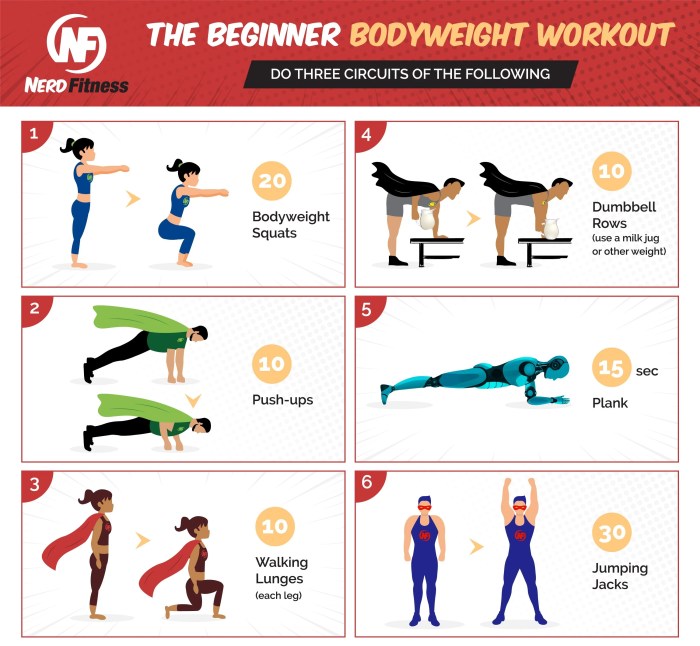
- Strength Training: Bodyweight exercises like squats, lunges, push-ups, and planks are great for building muscle strength.
- Flexibility Exercises: Stretching exercises like yoga or Pilates help improve flexibility and prevent injuries.
Simple Exercises for Beginners
- Walking or Jogging: Start with a brisk walk and gradually increase the pace to a light jog.
- Bodyweight Squats: Stand with feet hip-width apart, lower into a squat position, and return to standing.
- Push-Ups: Start with modified push-ups on knees and progress to full push-ups on toes.
- Yoga Poses: Beginner-friendly yoga poses like downward dog, child’s pose, and warrior pose can help improve flexibility.
Increasing Workout Intensity
As your fitness levels improve, it’s important to gradually increase the intensity of your workouts to continue seeing progress. You can do this by increasing the duration of your cardio sessions, adding more repetitions or weights to your strength training exercises, and deepening your stretches in flexibility exercises.
Adequate Hydration
Hydration plays a crucial role in supporting physical fitness goals as it helps regulate body temperature, transport nutrients, and remove waste. Staying properly hydrated can improve exercise performance, recovery, and overall health.
Guidelines for Water Intake
Beginners should aim to drink water before, during, and after exercise to maintain optimal hydration levels. Here are some general guidelines to follow:
- Before Exercise: Drink about 17-20 ounces of water 2-3 hours before starting your workout.
- During Exercise: Consume 7-10 ounces of water every 10-20 minutes during your workout to replace fluids lost through sweating.
- After Exercise: Drink 8 ounces of water within 30 minutes post-exercise and continue to hydrate throughout the day.
Importance of Staying Hydrated, How to start a physical fitness routine for beginners
Staying hydrated is essential for overall health and fitness performance. Dehydration can lead to decreased energy levels, muscle cramps, and impaired cognitive function. By maintaining proper hydration, you can enhance your endurance, strength, and recovery, allowing you to reach your fitness goals more effectively.
Regular Exercise
Regular exercise is a crucial component of any physical fitness routine, especially for beginners. Establishing a consistent workout schedule not only helps improve physical health but also contributes to mental well-being. Let’s delve into the benefits of regular exercise for beginners and how it can lead to long-term fitness goals.
Benefits of Establishing a Regular Exercise Routine
- Improves cardiovascular health and endurance
- Builds muscle strength and flexibility
- Boosts metabolism and aids in weight management
- Enhances mood and reduces stress levels
- Increases energy levels and overall well-being
Sample Weekly Workout Schedule for Beginners
| Day | Activity | Duration |
|---|---|---|
| Monday | Cardio (e.g., brisk walking or cycling) | 30 minutes |
| Tuesday | Strength training (e.g., bodyweight exercises) | 20 minutes |
| Wednesday | Rest or gentle yoga/stretching | |
| Thursday | Cardio (e.g., jogging or dancing) | 30 minutes |
| Friday | Strength training (e.g., dumbbell exercises) | 20 minutes |
| Saturday | Active rest (e.g., hiking or swimming) | |
| Sunday | Rest or light activity (e.g., walking) |
Consistency in Exercise for Long-Term Fitness Goals
Regular exercise is key to achieving long-term fitness goals as it helps the body adapt and improve over time. Consistency in following a workout routine not only builds physical strength and endurance but also instills healthy habits that can be maintained for a lifetime.
By sticking to a regular exercise schedule, beginners can progress steadily towards their fitness objectives and enjoy the numerous benefits that come with an active lifestyle.
Healthy Lifestyle
When it comes to starting a physical fitness routine for beginners, it’s essential to understand that a healthy lifestyle goes beyond just exercise. It involves a combination of factors that contribute to overall well-being, including nutrition, mental wellness, adequate hydration, and regular physical activity.
Incorporating Healthy Habits
One way to incorporate healthy habits into daily routines is by planning and preparing meals ahead of time. This helps avoid impulsive food choices and ensures that you have nutritious options readily available. Additionally, setting aside time for relaxation and stress management activities such as meditation or yoga can support mental wellness.
Holistic Approach to Well-being
Adopting a holistic approach to maintaining a healthy lifestyle means taking care of your body, mind, and spirit. This can involve engaging in activities that bring you joy and fulfillment, such as spending time with loved ones, pursuing hobbies, or volunteering.
Prioritizing self-care and getting enough rest are also crucial components of a holistic approach to well-being.
Nutrient-Rich
Consuming nutrient-rich foods is crucial for providing the energy needed to kickstart a fitness routine for beginners and aiding in the recovery process. These foods are packed with essential vitamins, minerals, and antioxidants that support overall health and well-being.
Examples of Nutrient-Dense Foods
- Leafy green vegetables such as spinach, kale, and Swiss chard are rich in iron, calcium, and vitamin K, which are essential for muscle repair and growth.
- Lean proteins like chicken, turkey, tofu, and fish provide amino acids necessary for muscle building and repair.
- Nuts and seeds like almonds, walnuts, chia seeds, and flaxseeds are high in healthy fats, protein, and fiber, promoting satiety and aiding in muscle recovery.
- Fruits such as berries, oranges, and bananas are packed with vitamins, minerals, and antioxidants that help reduce inflammation and support immune function.
Role of Vitamins and Minerals
Vitamins and minerals play a crucial role in supporting physical health and fitness by assisting in various bodily functions. For example:
- Vitamin C helps with collagen synthesis, which is essential for connective tissue repair.
- Vitamin D aids in calcium absorption, promoting bone health and muscle function.
- Magnesium is important for muscle relaxation and energy production.
- Zinc supports immune function and protein synthesis for muscle repair.
Stress Management
When starting a physical fitness routine as a beginner, it’s important to also focus on managing stress levels to support overall well-being. Stress can impact physical health and hinder progress in fitness goals. Here are some strategies and mindfulness techniques that beginners can incorporate for stress relief:
Strategies for Managing Stress
- Practice deep breathing exercises to calm the mind and body.
- Engage in regular physical activity to release endorphins and reduce stress hormones.
- Establish a routine that includes time for relaxation and self-care.
- Avoid overcommitting and learn to say no when feeling overwhelmed.
- Connect with others for social support and to share feelings and experiences.
Impact of Stress on Physical Health
Chronic stress can lead to various health issues such as high blood pressure, weakened immune system, and disrupted sleep patterns. It can also affect energy levels and motivation, making it harder to stay consistent with a fitness routine.
Mindfulness Techniques for Stress Relief
- Practice meditation to increase awareness and focus on the present moment.
- Try progressive muscle relaxation to release tension and promote relaxation.
- Engage in activities like yoga or tai chi for a combination of movement and mindfulness.
- Keep a gratitude journal to shift focus towards positive aspects of life and reduce stress levels.
- Listen to calming music or nature sounds to create a peaceful atmosphere and reduce stress.
Preventive Care
Starting a physical fitness routine is a great step towards improving overall health, but it is essential to also focus on preventive care to avoid injuries and setbacks along the way. Preventive care plays a crucial role in maintaining physical health and ensuring that you can continue your fitness journey effectively.
Tips for Injury Prevention
- Always warm up before starting any exercise routine to prepare your muscles and reduce the risk of injury.
- Focus on proper form and technique during exercises to avoid straining muscles or joints.
- Gradually increase the intensity and duration of your workouts to prevent overexertion and potential injuries.
- Listen to your body and pay attention to any signs of discomfort or pain during exercise. Stop immediately if something doesn’t feel right.
- Incorporate rest days into your routine to allow your body to recover and prevent overtraining.
- Stay hydrated before, during, and after your workouts to support muscle function and prevent cramps.
Importance of Seeking Medical Advice
It is crucial to listen to your body and seek medical advice when needed, especially if you experience persistent pain, discomfort, or unusual symptoms during exercise. Consulting a healthcare professional can help diagnose any underlying issues and prevent further complications.
Proper Nutrition
Proper nutrition plays a crucial role in optimizing fitness results for beginners. It provides the body with the necessary nutrients to support physical activity, fuel workouts, aid in recovery, and promote overall well-being.
Macronutrient Intake for Supporting Physical Activity
When starting a physical fitness routine, beginners should focus on consuming the right balance of macronutrients to support their workouts and goals.
- Carbohydrates: Carbs are the body’s primary source of energy, especially during exercise. Aim to include complex carbohydrates like whole grains, fruits, and vegetables in your meals to sustain energy levels.
- Proteins: Protein is essential for muscle repair and growth. Incorporate lean sources of protein such as chicken, fish, tofu, or legumes to support muscle recovery after workouts.
- Fats: Healthy fats are important for hormone production and overall health. Include sources of unsaturated fats like avocados, nuts, and olive oil in your diet.
Importance of Fueling the Body Adequately for Workouts and Recovery
It is crucial to fuel your body adequately before and after workouts to optimize performance and enhance recovery.
- Pre-Workout Nutrition: Consume a balanced meal or snack containing carbohydrates and protein 1-2 hours before exercising to provide energy and support muscle function.
- Post-Workout Nutrition: Refuel your body within 30 minutes after exercise with a combination of protein and carbohydrates to replenish glycogen stores and promote muscle repair.
- Hydration: Remember to stay hydrated throughout the day and especially during workouts to maintain optimal performance and aid in recovery.
Quality Sleep
Quality sleep is essential for beginners embarking on a physical fitness routine as it plays a crucial role in overall well-being and exercise performance. Adequate rest allows the body to repair and recover, promotes muscle growth, and enhances cognitive function, all of which are vital for a successful fitness journey.
Establishing a Sleep Routine
Creating a consistent sleep schedule is key to supporting your fitness plan. Aim for 7-9 hours of quality sleep each night to allow your body to recharge and prepare for the next day’s activities. Try to go to bed and wake up at the same time every day to regulate your internal clock.
Limit exposure to screens and electronic devices before bedtime, as the blue light emitted can disrupt your sleep patterns. Create a relaxing bedtime routine, such as reading a book or practicing deep breathing exercises, to signal to your body that it’s time to wind down.
Impact of Sleep Deprivation
- Poor sleep can negatively affect exercise performance by impairing coordination, reaction time, and endurance. It can also lead to decreased motivation, making it harder to stick to your fitness routine.
- Sleep deprivation hinders the body’s ability to recover from workouts, increasing the risk of injury and prolonging muscle soreness. This can ultimately slow down progress and hinder your fitness goals.
- Lack of sleep disrupts hormone regulation, specifically cortisol and growth hormone levels, which are crucial for muscle repair and growth. This imbalance can impact muscle recovery and overall physical performance.
Cardio Health
Cardiovascular health is an essential component of a beginner’s fitness routine as it helps strengthen the heart and improve overall endurance. Incorporating cardio exercises into workouts can significantly benefit beginners in their fitness journey.
Importance of Cardiovascular Health
Improving cardiovascular fitness through regular exercise can help reduce the risk of heart disease, improve circulation, and enhance lung function. It also aids in weight management and boosts energy levels, allowing individuals to perform daily activities with ease.
Examples of Cardio Exercises for Beginners
- Brisk walking: A low-impact exercise that can be easily incorporated into daily routines.
- Cycling: Whether outdoors or on a stationary bike, cycling is a great way to improve cardiovascular health.
- Jogging or running: Gradually increasing speed and distance can help beginners build endurance over time.
- Dancing: Fun and engaging, dancing can be a great cardio workout for beginners of all ages.
Enhancing Overall Physical Endurance
By including cardio exercises in their routine, beginners can enhance their physical endurance levels. Improved cardiovascular fitness allows the heart and lungs to work more efficiently, delivering oxygen and nutrients to the muscles during physical activity. This leads to better stamina and endurance, making everyday tasks easier to accomplish and increasing overall quality of life.
Immune Boost
Regular exercise plays a crucial role in boosting the immune system for beginners. Engaging in physical activities can help improve the body’s ability to fight off infections and illnesses.
Tips for Maintaining Immune Health
- Stay active: Regular exercise, such as brisk walking, cycling, or swimming, can enhance immune function.
- Follow a balanced diet: Consuming nutrient-rich foods like fruits, vegetables, whole grains, and lean proteins can support immune health.
- Get enough sleep: Quality sleep is essential for a strong immune system, aim for 7-9 hours per night.
- Manage stress: High-stress levels can weaken the immune system, practice stress-reducing activities like yoga, meditation, or deep breathing exercises.
Relationship Between Physical Activity and Immune Function
Regular physical activity can have a positive impact on immune function by increasing circulation, promoting better sleep, and reducing inflammation in the body. Exercise helps the immune system by flushing out bacteria from the lungs and airways, increasing white blood cell circulation, and causing changes in antibodies and white blood cells.
By incorporating exercise into your routine, you can strengthen your immune system and overall health.
Positive Mindset
Having a positive mindset is crucial for beginners embarking on a fitness journey. It can significantly impact their motivation, perseverance, and overall success in achieving their health and wellness goals. Cultivating a positive outlook when faced with challenges can make a difference in staying committed and consistent with a fitness routine.
Furthermore, maintaining a positive mindset can lead to mental benefits that enhance overall well-being.
Strategies for Cultivating a Positive Outlook
- Set realistic goals: Establish achievable milestones to track progress and celebrate small victories along the way.
- Practice gratitude: Focus on the positive aspects of your journey and be grateful for the opportunity to improve your health.
- Stay inspired: Surround yourself with motivational quotes, success stories, or role models to keep you motivated and inspired.
- Stay present: Practice mindfulness during workouts to stay focused and engaged, avoiding negative self-talk or doubts.
- Seek support: Connect with like-minded individuals, join fitness communities, or work with a coach to receive encouragement and guidance.
Mental Benefits of Exercise
Regular exercise not only improves physical health but also provides numerous mental benefits that contribute to overall well-being. Some of these mental benefits include:
- Reduced stress and anxiety levels
- Improved mood and mental clarity
- Enhanced self-esteem and confidence
- Better sleep quality and cognitive function
- Increased energy levels and focus
Regular physical activity can serve as a powerful tool to boost mental health and cultivate a positive mindset throughout the fitness journey.
Clean Eating
When embarking on a fitness journey, clean eating plays a crucial role in supporting your goals. Clean eating involves consuming whole, unprocessed foods that are rich in nutrients, vitamins, and minerals. This approach focuses on fueling your body with high-quality ingredients to optimize your physical health and fitness.
Examples of Clean Eating Habits
- Avoiding processed foods high in added sugars, unhealthy fats, and artificial ingredients.
- Incorporating a variety of fruits, vegetables, whole grains, lean proteins, and healthy fats into your meals.
- Opting for organic and locally sourced produce when possible to reduce exposure to pesticides and chemicals.
- Reading food labels to understand the ingredients and nutritional content of products before purchasing.
Benefits of Clean Eating for Physical Health and Fitness
Eating whole, unprocessed foods provides numerous benefits for your overall well-being:
- Improved energy levels and stamina to fuel your workouts effectively.
- Enhanced digestion and nutrient absorption for better overall health.
- Weight management support by promoting satiety and reducing cravings for unhealthy snacks.
- Reduced inflammation in the body, which can help with muscle recovery and injury prevention.
- Support for a strong immune system, ensuring you stay healthy and active.
Daily Activity
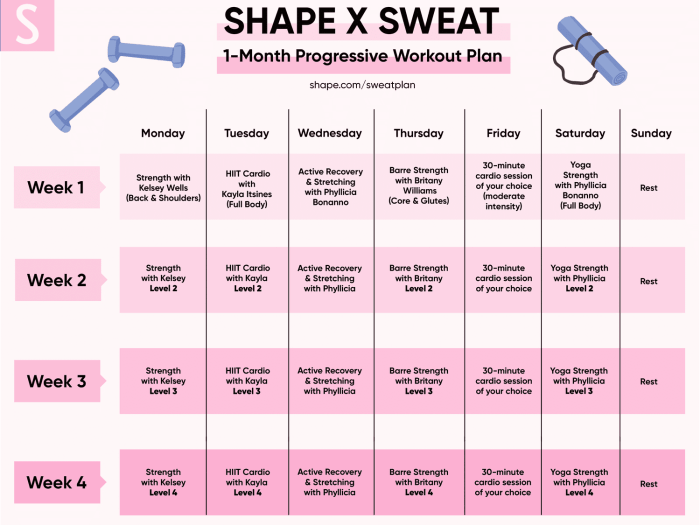
Regular physical activity is not limited to formal workouts at the gym. It is equally important to incorporate daily movement into your routine to improve overall fitness and well-being. Daily activity can have a significant impact on weight management, energy levels, and overall health.
Simple Activities for Beginners
- Take a brisk walk around your neighborhood or local park.
- Do a short yoga or stretching session in the morning or before bed.
- Take the stairs instead of the elevator whenever possible.
- Engage in household chores such as vacuuming, gardening, or cleaning.
Benefits of Daily Movement
- Supports weight management by burning calories and increasing metabolism.
- Improves energy levels by boosting circulation and releasing endorphins.
- Enhances overall well-being by reducing stress and improving mood.
Holistic Health
The holistic approach to health focuses on integrating all aspects of well-being, including physical fitness, mental wellness, and nutrition, to achieve overall harmony and health for beginners embarking on their fitness journey. By addressing these interconnected factors, individuals can experience improved quality of life and overall well-being.
Tips for Achieving Balance
To support a beginner’s fitness journey, it is essential to strive for balance in all aspects of health. Here are some tips to help achieve this balance:
- Make time for regular physical activity to improve cardiovascular health, build strength, and increase flexibility.
- Practice stress management techniques such as meditation, deep breathing, or yoga to enhance mental wellness.
- Follow a nutrient-rich and balanced diet to fuel your body with the necessary vitamins, minerals, and macronutrients.
- Stay hydrated by drinking an adequate amount of water throughout the day to support overall health and well-being.
- Get quality sleep to allow your body to rest and recover, promoting optimal physical and mental function.
By incorporating these tips into your daily routine, you can achieve a holistic approach to health that supports your fitness journey and overall well-being.
Mindful Living
When starting a fitness routine, incorporating mindful living practices can greatly enhance the overall experience and benefits for beginners. Mindful living involves being fully present in the moment, paying attention to thoughts, feelings, and physical sensations without judgment.
By practicing mindfulness during exercise, individuals can improve focus, reduce stress, and increase satisfaction with their fitness activities. This can lead to a greater sense of well-being and enjoyment in the process of getting fit.
Mindfulness Practices for Beginners
- Start by focusing on your breath: Pay attention to your inhales and exhales as you move through your workout routine.
- Listen to your body: Tune in to how your body feels during exercise and adjust intensity or form accordingly.
- Avoid distractions: Stay present by turning off screens and focusing solely on the movements and sensations of your body.
- Practice gratitude: Take a moment before or after your workout to express gratitude for your body and the ability to move and exercise.
- Use mindfulness apps: Utilize guided meditation or mindfulness apps to help develop a regular practice of being present during exercise.
Benefits of Mindfulness in Fitness
- Improved Focus:Mindfulness can help individuals stay present and focused during workouts, leading to better form and overall performance.
- Reduced Stress:By being mindful and present, individuals can reduce stress levels associated with exercise and daily life.
- Increased Satisfaction:Mindful living can enhance the enjoyment of fitness activities, leading to a more positive experience and long-term adherence to a healthy lifestyle.
Emotional Balance
Maintaining emotional balance is crucial for beginners starting a fitness routine as it directly impacts their motivation and commitment. Emotions like frustration, self-doubt, or impatience can hinder progress and lead to giving up. Therefore, learning to manage emotions effectively is key to staying on track.
Strategies for Managing Emotions
- Practice mindfulness: Being present in the moment can help you acknowledge and accept your emotions without letting them overwhelm you.
- Set realistic goals: Break down your fitness journey into smaller, achievable milestones to prevent feeling overwhelmed and discouraged.
- Seek support: Talk to friends, family, or a fitness professional for encouragement and guidance when facing emotional challenges.
- Use positive self-talk: Replace negative thoughts with affirmations and words of encouragement to boost your confidence and motivation.
Impact of Emotional Well-being on Fitness Progress
Emotional well-being directly affects physical health, including energy levels, sleep quality, and overall performance during workouts. When you feel emotionally balanced, you are more likely to stay consistent with your exercise routine and make healthier choices in terms of nutrition and lifestyle.
Health Education
Health education plays a crucial role in empowering beginners to make informed decisions about their fitness journey. By providing valuable information and resources, individuals can better understand the importance of physical activity, nutrition, and overall well-being.
Role of Health Education
Health education equips beginners with the knowledge and skills needed to kickstart their fitness journey successfully. It helps individuals make informed choices about their lifestyle, exercise routines, and diet, leading to better health outcomes in the long run.
Resources for Beginners
- Online platforms: Websites like CDC, Mayo Clinic, and Healthline offer reliable health information tailored to beginners.
- Local community centers: Fitness classes, workshops, and seminars can provide valuable guidance for those starting their fitness journey.
- Health professionals: Consulting with doctors, nutritionists, and personal trainers can offer personalized advice and support.
Benefits of Understanding Basic Health Concepts
Understanding basic health concepts is essential for achieving long-term fitness goals. It enables individuals to make sustainable lifestyle changes, prevent injuries, and maintain overall well-being. By grasping fundamental principles of health, beginners can set realistic goals and track their progress effectively.
Self-Care
Self-care practices are crucial for beginners starting a fitness routine as they help in enhancing recovery, promoting overall well-being, and sustaining motivation throughout the fitness journey.
Importance of Self-Care
Self-care activities play a vital role in supporting physical fitness goals by ensuring the body and mind are adequately taken care of. By incorporating self-care practices, beginners can experience improved recovery, reduced stress levels, and increased energy levels to stay committed to their fitness routine.
Examples of Self-Care Activities
- Engaging in relaxing activities such as meditation or yoga to reduce stress and improve mental clarity.
- Practicing proper sleep hygiene to ensure adequate rest and recovery for the body.
- Indulging in hobbies or activities that bring joy and relaxation to promote overall well-being.
- Taking time for self-reflection and mindfulness to stay focused and motivated towards fitness goals.
Contribution to Motivation and Commitment
Self-care contributes significantly to the overall motivation and commitment to physical fitness goals by fostering a positive mindset, reducing burnout, and promoting a sense of well-being. When individuals prioritize self-care, they are better equipped to tackle challenges, stay consistent with their routine, and achieve long-term success in their fitness journey.
Chronic Disease
Regular physical fitness routines play a crucial role in preventing and managing chronic diseases for beginners. By incorporating exercise into their daily lives, individuals can significantly reduce their risk of developing various long-term health conditions. Furthermore, lifestyle choices have a profound impact on promoting overall well-being and mitigating the effects of chronic diseases.
Impact of Physical Fitness
Regular exercise can help lower the risk of chronic diseases such as heart disease, diabetes, and obesity. Physical activity improves cardiovascular health, boosts the immune system, and enhances mental well-being. By engaging in a consistent fitness regimen, beginners can build a strong foundation for long-term health and disease prevention.
- Regular exercise improves heart health by strengthening the heart muscle and increasing circulation.
- Physical activity helps regulate blood sugar levels, reducing the risk of developing type 2 diabetes.
- Exercise aids in weight management, lowering the risk of obesity-related conditions.
Lifestyle Choices and Long-Term Health
In addition to physical fitness, lifestyle choices such as maintaining a balanced diet, managing stress, getting enough sleep, and avoiding harmful habits like smoking play a critical role in promoting long-term health. These factors work synergistically with regular exercise to reduce the likelihood of chronic diseases and support overall well-being.
- Adopting a nutrient-rich diet provides the necessary fuel for the body to function optimally and fight off diseases.
- Practicing stress management techniques, such as mindfulness and meditation, can reduce inflammation and lower the risk of chronic conditions.
- Getting quality sleep allows the body to repair and rejuvenate, contributing to better overall health.
Ending Remarks
Discover the power of starting a physical fitness routine for beginners and witness the positive changes it can bring to your life. With dedication and consistency, you can achieve your fitness aspirations and embrace a holistic approach to well-being.
FAQ Compilation
How often should beginners work out when starting a fitness routine?
It’s recommended for beginners to start with 3-4 days of exercise per week, allowing time for rest and recovery.
Do I need any special equipment to begin a fitness routine as a beginner?
No, you can start with simple bodyweight exercises and gradually incorporate equipment as you progress.
Is it necessary to consult a doctor before starting a fitness routine as a beginner?
If you have any underlying health conditions or concerns, it’s advisable to seek medical advice before beginning a new fitness regimen.
How can beginners stay motivated to continue their fitness routine?
Setting realistic goals, tracking progress, and finding enjoyable activities can help beginners stay motivated on their fitness journey.
Should beginners focus more on cardio or strength training in their fitness routine?
A balanced routine that includes both cardio and strength training is ideal for beginners to improve overall fitness and health.