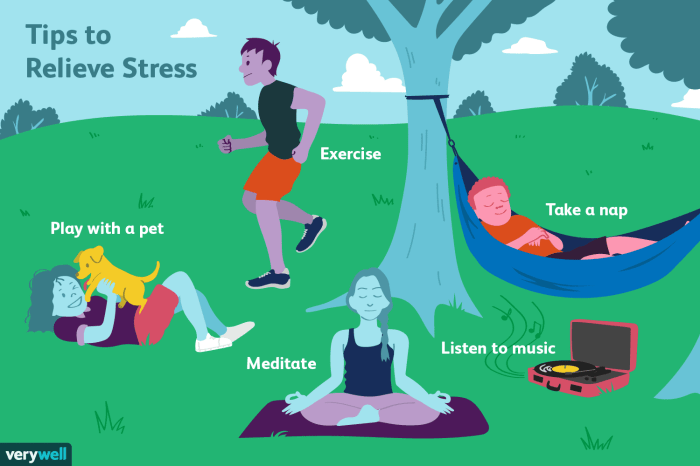
Tips for improving mental wellness during stressful times offers valuable insights on maintaining a healthy mind in difficult situations. As we navigate through life’s ups and downs, it’s essential to prioritize mental well-being for a balanced and fulfilling life.
Balanced Diet: Tips For Improving Mental Wellness During Stressful Times
Eating a balanced diet is crucial for promoting mental wellness during stressful times. The nutrients we consume play a significant role in regulating our mood, energy levels, and overall brain function. By fueling our bodies with the right combination of vitamins, minerals, and macronutrients, we can better cope with stress and maintain emotional balance.
Examples of Nutrient-Rich Foods
- Fatty fish like salmon and mackerel, rich in omega-3 fatty acids that support brain health.
- Leafy greens such as spinach and kale, packed with vitamins and antioxidants to reduce inflammation.
- Nuts and seeds like almonds and flaxseeds, providing essential nutrients for cognitive function.
- Whole grains like quinoa and brown rice, offering sustained energy and improving mood.
- Berries such as blueberries and strawberries, high in antioxidants that protect the brain from oxidative stress.
Contribution to Overall Well-Being
A balanced diet not only nourishes our bodies but also contributes to our overall well-being and emotional balance. By supplying our brains with the necessary nutrients, we can enhance cognitive function, reduce the risk of mental health disorders, and improve our ability to manage stress effectively.
Making healthy food choices can have a profound impact on our mental wellness, helping us stay resilient and maintain a positive outlook even in challenging times.
Mental Wellness
In times of stress and challenges, maintaining mental wellness is crucial for overall well-being. It involves taking care of your emotional and psychological health to cope effectively with life’s ups and downs.
Emotional Balance
Emotional balance plays a significant role in improving mental health. It allows you to manage your emotions in a healthy way, preventing overwhelming feelings of anxiety, depression, or anger.
Positive Mindset and Mental Well-being
A positive mindset is closely linked to mental well-being. Cultivating a positive outlook on life can reduce stress, increase resilience, and improve overall mental health. It involves focusing on the good, practicing gratitude, and challenging negative thoughts.
Physical Fitness
Regular physical activity plays a crucial role in managing stress and improving overall mental health. Exercise has been proven to help reduce anxiety, depression, and stress levels while boosting mood and self-esteem.
Types of Exercises to Reduce Stress
- Cardiovascular exercises such as running, cycling, or swimming can help release endorphins and reduce stress.
- Yoga and Pilates focus on breathing techniques and mindfulness, promoting relaxation and reducing stress levels.
- Strength training exercises like weightlifting can also help in reducing stress by improving overall physical health.
Benefits of Regular Exercise on Mental Wellness
Regular exercise not only improves physical health but also has numerous benefits for mental well-being:
- Enhances mood by releasing endorphins, the body’s natural feel-good chemicals.
- Reduces symptoms of anxiety and depression by promoting better sleep and relaxation.
- Boosts self-esteem and confidence through achieving fitness goals and feeling stronger physically.
- Improves cognitive function and memory, enhancing overall mental well-being.
Adequate Hydration
Staying properly hydrated is essential for maintaining good mental wellness, especially during stressful times. Dehydration can lead to decreased cognitive function, poor mood regulation, and difficulty focusing, all of which can exacerbate feelings of stress and anxiety.
Impact of Hydration on Mental Wellness
- Hydration plays a crucial role in maintaining brain function and cognitive performance. Dehydration can impair short-term memory, concentration, and decision-making skills.
- Proper hydration supports the production of neurotransmitters, such as serotonin and dopamine, which are essential for regulating mood and emotions.
- Dehydration can increase feelings of fatigue and irritability, making it harder to cope with stress and everyday challenges.
Tips for Staying Hydrated
- Carry a reusable water bottle with you throughout the day to remind yourself to drink water regularly.
- Set reminders on your phone or computer to take water breaks at specific intervals.
- Incorporate hydrating foods such as fruits and vegetables into your diet to increase your overall fluid intake.
- Avoid excessive consumption of caffeinated or sugary beverages, as they can contribute to dehydration.
Benefits of Adequate Hydration
- Improved mood stability and reduced feelings of stress and anxiety.
- Enhanced cognitive function, including better memory retention and focus.
- Increased energy levels and overall well-being.
Regular Exercise
Regular exercise plays a crucial role in maintaining good mental wellness. Physical activity has been shown to reduce symptoms of anxiety and depression, improve mood, and enhance overall cognitive function.
Physical Activities for Stress Relief
- Yoga: Combining physical postures, breathing exercises, and meditation, yoga helps reduce stress and promote relaxation.
- Running or Jogging: Aerobic exercises like running release endorphins, which are known to improve mood and reduce stress.
- Dancing: Moving to music can be a fun way to relieve stress and boost mood by increasing dopamine levels in the brain.
- Strength Training: Lifting weights or doing bodyweight exercises can help improve self-esteem and confidence, leading to better mental health.
Benefits of Regular Exercise for Mental Health
- Improved Mood: Exercise stimulates the production of endorphins, which act as natural mood lifters.
- Reduced Anxiety: Physical activity can help reduce symptoms of anxiety by promoting relaxation and reducing tension.
- Better Sleep: Regular exercise can improve sleep quality, which is essential for overall mental wellness.
- Enhanced Cognitive Function: Exercise has been shown to boost cognitive function, memory, and focus, leading to better mental clarity.
Healthy Lifestyle
Maintaining a healthy lifestyle is crucial for promoting mental well-being, especially during stressful times. A combination of good habits can have a positive impact on our overall wellness and resilience.
Components of a Healthy Lifestyle
- Balanced Diet: Eating a variety of nutritious foods helps support brain function and mood regulation.
- Physical Activity: Regular exercise releases endorphins, reducing stress and anxiety levels.
- Adequate Sleep: Getting enough rest is essential for cognitive function and emotional well-being.
- Stress Management: Techniques like mindfulness, yoga, and deep breathing can help cope with stress effectively.
Importance of Self-Care Practices
Self-care is not selfish; it is necessary for maintaining a healthy lifestyle during challenging times. Taking time to prioritize self-care activities can help reduce burnout and improve mental health.
Tips for Cultivating Healthy Habits
- Set Realistic Goals: Start small and gradually incorporate healthy habits into your routine.
- Stay Hydrated: Drinking enough water is crucial for overall health and well-being.
- Connect with Others: Building a support system can provide emotional support during tough times.
- Practice Gratitude: Focusing on the positive aspects of life can boost mental resilience.
Nutrient-Rich
Maintaining a diet rich in essential nutrients is crucial for promoting mental health and overall well-being. Nutrient-rich foods provide the necessary vitamins and minerals that support brain function, cognitive abilities, and emotional balance.
Significance of Nutrient-Rich Foods
Eating a variety of nutrient-dense foods such as fruits, vegetables, whole grains, lean proteins, and healthy fats can have a positive impact on mental health. These foods contain essential nutrients like vitamins B, C, E, D, omega-3 fatty acids, magnesium, and zinc, which are known to support brain health and cognitive function.
- Leafy green vegetables like spinach and kale are rich in folate, which plays a key role in neurotransmitter synthesis and mood regulation.
- Fatty fish such as salmon, mackerel, and sardines provide omega-3 fatty acids that are essential for brain health and reducing inflammation.
- Nuts and seeds like walnuts, almonds, and chia seeds are packed with antioxidants, healthy fats, and minerals that support cognitive function.
Supporting Cognitive Function and Emotional Balance
By incorporating nutrient-rich foods into your diet, you can support cognitive function and emotional balance. Nutrients like vitamin E, omega-3 fatty acids, and antioxidants help protect brain cells from damage and promote healthy neurotransmitter activity. A balanced diet rich in essential nutrients can also contribute to improved mood, reduced stress levels, and enhanced overall mental well-being.
Stress Management
Effective stress management is crucial for promoting mental wellness and overall well-being. Stress can have a significant impact on mental health, leading to anxiety, depression, and other serious conditions. It is important to develop healthy coping mechanisms to deal with stressful situations and prevent long-term negative effects.
Strategies for Managing Stress
- Practice mindfulness and meditation to calm the mind and reduce stress levels.
- Engage in regular physical exercise to release endorphins and improve mood.
- Set boundaries and prioritize tasks to avoid feeling overwhelmed.
- Connect with supportive friends and family members to talk about your feelings and seek advice.
- Take breaks and engage in activities you enjoy to relax and recharge.
Impact of Stress on Mental Health
Stress can lead to a variety of mental health issues, including anxiety disorders, panic attacks, and depression. Chronic stress can weaken the immune system, disrupt sleep patterns, and increase the risk of developing serious health conditions. It is important to address stress and manage it effectively to protect both mental and physical well-being.
Tips for Developing Healthy Coping Mechanisms
- Practice deep breathing exercises to calm the nervous system and reduce stress levels.
- Engage in hobbies and activities that bring you joy and help you relax.
- Seek professional help through therapy or counseling if you are struggling to cope with stress on your own.
- Avoid unhealthy coping mechanisms like substance abuse or excessive alcohol consumption.
- Prioritize self-care and make time for activities that promote relaxation and stress relief.
Preventive Care
Preventive care plays a crucial role in safeguarding mental health by taking proactive measures to maintain overall well-being and prevent potential issues.
Regular Check-ups and Screenings
Regular check-ups and screenings are essential in identifying any early signs of mental health issues and addressing them before they escalate. By monitoring your mental health through professional assessments, you can take necessary steps to prevent any major concerns.
Proactive Measures for Maintaining Mental Well-being
- Practice mindfulness and meditation to reduce stress and improve mental clarity.
- Engage in regular physical activity to boost mood and enhance overall mental health.
- Stay connected with friends and family for emotional support and social interaction.
- Set boundaries to manage stress and prioritize self-care activities.
- Eat a balanced diet rich in nutrients to support brain function and mental wellness.
Proper Nutrition
Proper nutrition plays a crucial role in maintaining mental wellness. The food we consume directly impacts our brain health and cognitive function, influencing our mood, energy levels, and overall well-being.
Nutrients for Brain Health
- Eat foods rich in omega-3 fatty acids, such as salmon, walnuts, and flaxseeds, to support brain function and reduce inflammation.
- Include antioxidant-rich fruits and vegetables like blueberries, spinach, and kale to protect brain cells from oxidative stress.
- Ensure you’re getting enough B vitamins from sources like whole grains, legumes, and leafy greens to promote proper nerve function and mental clarity.
- Consume adequate protein from lean sources like poultry, tofu, and beans to help neurotransmitter production for optimal brain communication.
Creating a Nutrition Plan for Mental Well-being
- Start your day with a balanced breakfast that includes whole grains, protein, and healthy fats to fuel your brain and stabilize blood sugar levels.
- Plan your meals and snacks to include a variety of nutrient-dense foods throughout the day to provide sustained energy and support brain function.
- Avoid excessive consumption of refined sugars and processed foods, as they can lead to fluctuations in blood sugar levels and impact mood and cognitive performance.
- Stay hydrated by drinking plenty of water and herbal teas, as dehydration can affect concentration and cognitive abilities.
Quality Sleep
Quality sleep plays a crucial role in maintaining mental wellness. It is during sleep that our bodies repair and rejuvenate, helping to regulate mood, improve cognitive function, and enhance overall well-being.
Impact of Sleep Deprivation
Sleep deprivation can have a significant impact on emotional balance and cognitive function. When we do not get enough quality sleep, it can lead to irritability, poor decision-making, memory problems, and difficulty focusing. Over time, chronic sleep deprivation can increase the risk of developing mental health issues such as anxiety and depression.
Tips for Improving Sleep Quality
- Establish a bedtime routine: Creating a consistent bedtime routine can signal to your body that it is time to wind down and prepare for sleep.
- Create a restful sleep environment: Ensure your bedroom is cool, dark, and quiet to promote optimal sleep conditions.
- Avoid screens before bed: The blue light emitted by screens can interfere with the production of melatonin, a hormone that regulates sleep.
- Limit caffeine and alcohol intake: Both caffeine and alcohol can disrupt sleep patterns, so it’s important to avoid consuming them close to bedtime.
- Practice relaxation techniques: Engaging in relaxation techniques such as deep breathing, meditation, or gentle yoga before bed can help calm the mind and body for better sleep.
Cardio Health
Cardiovascular health plays a crucial role in maintaining overall well-being, including mental wellness. The connection between cardiovascular health and mental well-being is significant, as a healthy heart and circulatory system can help support brain function and reduce the risk of mental health issues.
Benefits of Cardio Workouts for Mental Health
Cardiovascular exercises, such as running, swimming, or cycling, can benefit mental health in various ways. These workouts help release endorphins, also known as “feel-good” hormones, which can improve mood and reduce feelings of stress, anxiety, and depression. Additionally, regular cardio exercise can enhance cognitive function, memory, and overall brain health.
- Improves mood: Cardio workouts can help alleviate symptoms of depression and anxiety by promoting the release of endorphins.
- Reduces stress: Engaging in cardiovascular exercises can lower cortisol levels, the stress hormone, leading to a calmer mind and reduced feelings of stress.
- Boosts brain health: Cardiovascular activities increase blood flow to the brain, delivering essential nutrients and oxygen that support cognitive function and mental clarity.
Immune Boost
Having a strong immune system is crucial for maintaining good overall health and can also have a positive impact on mental wellness. When our immune system is functioning well, it helps protect us from infections and illnesses, reducing the physical stress on our bodies and allowing us to focus on other aspects of our well-being.
Tips for Boosting Immune System
- Include immune-boosting foods in your diet such as citrus fruits, red bell peppers, garlic, ginger, and yogurt.
- Stay hydrated by drinking plenty of water throughout the day to support the immune system in flushing out toxins.
- Get regular exercise to improve circulation and promote the production of white blood cells, which are essential for fighting off infections.
- Practice stress management techniques like meditation, deep breathing, or yoga to reduce the impact of stress on the immune system.
- Ensure you are getting enough quality sleep each night to allow your body to repair and regenerate, supporting immune function.
Positive Mindset
Maintaining a positive mindset during stressful times is crucial for overall mental wellness. It can help individuals cope with challenges, reduce anxiety, and improve emotional well-being.
Importance of Positive Mindset
- Positive outlook can improve resilience and ability to bounce back from setbacks.
- It can enhance problem-solving skills and decision-making abilities.
- Positive mindset fosters a sense of hope and optimism, leading to better mental health.
Tips for Cultivating a Positive Mindset
- Practice gratitude daily by reflecting on things you are thankful for.
- Avoid negative self-talk and replace it with positive affirmations.
- Surround yourself with supportive and positive people.
- Engage in activities that bring you joy and relaxation.
- Acknowledge and challenge negative thoughts to reframe them in a positive light.
Clean Eating

Clean eating refers to consuming whole, natural foods and avoiding processed, refined products. This approach focuses on nourishing your body with nutrient-dense foods, which can have numerous benefits for mental wellness.
Impact of Processed Foods
Processed foods often contain high levels of added sugars, unhealthy fats, and artificial ingredients, which can negatively impact mental health. These ingredients can lead to inflammation in the body, affecting mood and cognitive function.
- Limiting processed foods can help stabilize blood sugar levels, reducing mood swings and promoting emotional balance.
- Choosing whole foods rich in vitamins, minerals, and antioxidants can support brain health and cognitive function.
- Reducing intake of additives and preservatives can improve overall well-being and mental clarity.
Tips for Adopting a Clean Eating Lifestyle
Embracing a clean eating lifestyle doesn’t have to be overwhelming. Here are some tips to help you get started:
- Focus on whole foods such as fruits, vegetables, whole grains, lean proteins, and healthy fats.
- Avoid foods high in refined sugars, artificial sweeteners, and trans fats.
- Read food labels and choose products with minimal ingredients and no added chemicals.
- Cook meals at home using fresh ingredients to have more control over what you’re eating.
- Stay hydrated by drinking plenty of water throughout the day to support overall health and well-being.
Daily Activity
Regular physical activity plays a crucial role in maintaining good mental wellness. Incorporating daily movement into your routine can significantly reduce stress and anxiety levels, leading to improved overall mental health. It is essential to prioritize daily physical activity to take care of both your body and mind.
Importance of Daily Physical Activity
- Physical activity releases endorphins, also known as “feel-good” hormones, which can help elevate mood and reduce feelings of stress and anxiety.
- Regular exercise promotes better sleep quality, which is essential for mental well-being and cognitive function.
- Engaging in physical activity can improve self-esteem and confidence, leading to a more positive mindset and outlook on life.
Simple Daily Activities for Mental Health
- Take a brisk walk around your neighborhood or local park.
- Practice yoga or meditation to help calm the mind and reduce stress.
- Engage in household chores such as cleaning or gardening, which can be both physically and mentally rewarding.
- Dance to your favorite music for a fun and effective way to get your body moving.
- Join a virtual fitness class or follow an online workout routine for guidance and motivation.
Holistic Health
Holistic health is an approach that considers the whole person
- body, mind, spirit, and emotions
- in the quest for optimal wellness. It emphasizes the interconnectedness of these aspects and aims to achieve balance and harmony to promote overall well-being. When it comes to mental wellness, holistic health plays a crucial role in addressing the root causes of stress and providing comprehensive support for mental health.
Principles of Holistic Health
- Addressing the underlying causes of health issues rather than just symptoms.
- Embracing a whole-person approach that considers physical, mental, emotional, and spiritual well-being.
- Promoting balance and harmony in all aspects of life for optimal wellness.
- Encouraging self-care practices, such as mindfulness, meditation, and relaxation techniques.
Supporting Mental Health with Holistic Approaches
- Engage in activities that nourish your mind, body, and spirit, such as yoga, tai chi, or nature walks.
- Practice mindfulness and meditation to cultivate self-awareness and reduce stress levels.
- Foster supportive relationships and seek emotional support from loved ones or mental health professionals.
- Eat a nutrient-rich diet, stay hydrated, and prioritize regular exercise to support overall well-being.
Embracing a Holistic Lifestyle for Overall Wellness, Tips for improving mental wellness during stressful times
- Integrate holistic practices into your daily routine, such as setting aside time for self-care and relaxation.
- Explore different holistic therapies like acupuncture, aromatherapy, or massage to enhance your mental health.
- Cultivate a positive mindset and practice gratitude to shift your perspective and reduce stress levels.
- Stay connected to yourself and your needs, listening to your body and mind to make informed decisions for your well-being.
Mindful Living
Incorporating mindfulness practices into daily routines can have a profound impact on mental wellness. Mindfulness involves being fully present in the moment, acknowledging and accepting one’s feelings without judgment. This practice can help reduce stress, enhance emotional balance, and improve cognitive function.
Benefits of Mindfulness
- Reduces stress and anxiety levels
- Improves focus and concentration
- Promotes emotional regulation
- Enhances self-awareness
- Fosters a sense of inner peace and contentment
Tips for Incorporating Mindfulness
- Start with short mindfulness exercises, such as deep breathing or body scans, throughout the day
- Practice mindfulness during daily activities, like eating or walking, by focusing on the sensations and experiences in the present moment
- Use mindfulness apps or guided meditations to establish a regular practice
- Attend mindfulness classes or workshops to deepen your understanding and commitment to the practice
Enhancing Emotional Balance and Cognitive Function
- Mindfulness can help regulate emotions by increasing awareness of triggers and responses
- Regular mindfulness practice can improve cognitive function, such as memory, decision-making, and problem-solving skills
- By cultivating a present-focused mindset, mindfulness can reduce rumination and negative thought patterns
- Enhanced emotional balance and cognitive function contribute to overall mental wellness and resilience
Emotional Balance
Achieving emotional balance is crucial for overall mental wellness as it involves managing and acknowledging our feelings in a healthy way. Emotions play a significant role in our well-being, affecting our mood, behavior, and even physical health. When we are emotionally balanced, we can better handle stress, make informed decisions, and maintain positive relationships.
Impact of Emotions on Overall Well-being
- Our emotions can impact our mental health, leading to anxiety, depression, or other mental health issues if not managed properly.
- Emotional balance can improve our relationships with others, as we are better able to communicate and empathize with those around us.
- Unresolved emotions can manifest physically, causing headaches, digestive issues, or other health problems.
Tips for Fostering Emotional Balance
- Practice mindfulness and self-awareness to recognize and understand your emotions.
- Engage in activities that bring you joy and relaxation, such as hobbies or spending time in nature.
- Seek support from friends, family, or a therapist to express your feelings and gain perspective.
- Develop healthy coping mechanisms like deep breathing, meditation, or journaling to manage stress and emotions effectively.
- Avoid suppressing or ignoring your emotions, as this can lead to emotional imbalance and negative consequences.
Health Education
Health education plays a crucial role in promoting mental wellness by providing individuals with the knowledge and tools necessary to take care of their mental health. Empowering individuals with information about mental health can lead to better self-awareness, early detection of issues, and effective management strategies.
Here are some key points to consider:
Resources for Learning
- Online platforms like mental health websites, blogs, and forums offer a wealth of information on various mental health topics, self-care practices, and coping strategies.
- Books and publications written by mental health professionals provide in-depth insights into mental wellness, stress management, and emotional balance.
- Workshops, seminars, and webinars conducted by mental health experts offer interactive learning experiences and practical tips for improving mental well-being.
- Therapy and counseling sessions with trained professionals can provide personalized guidance and support for individuals seeking to enhance their mental health.
Self-Care
Self-care is a crucial component of maintaining good mental wellness. It involves taking intentional actions to prioritize your own well-being and nurture your mind, body, and spirit. By incorporating self-care practices into your daily routine, you can better manage stress, improve your mood, and enhance your overall quality of life.
Types of Self-Care Activities
There are various types of self-care activities that can benefit your mental health:
- Physical Self-Care: Engage in activities like exercise, yoga, or dancing to boost endorphins and improve your physical health.
- Emotional Self-Care: Practice mindfulness, journaling, or therapy to process your emotions and cultivate self-awareness.
- Social Self-Care: Connect with loved ones, join a support group, or engage in community activities to foster meaningful relationships.
- Mental Self-Care: Engage in activities that stimulate your mind, such as reading, puzzles, or learning a new skill.
- Spiritual Self-Care: Explore practices like meditation, prayer, or spending time in nature to nourish your spirit.
Creating a Personalized Self-Care Routine
Here are some tips to help you create a personalized self-care routine for overall well-being:
- Identify Your Needs: Reflect on what areas of your life require more attention and focus on activities that address those needs.
- Set Realistic Goals: Start small and gradually incorporate self-care practices into your daily routine to avoid feeling overwhelmed.
- Experiment and Explore: Try out different self-care activities to determine what works best for you and brings you the most joy and relaxation.
- Prioritize Consistency: Make self-care a non-negotiable part of your routine by scheduling time for it each day or week.
- Listen to Your Body: Pay attention to how different activities make you feel and adjust your self-care routine accordingly to meet your changing needs.
Chronic Disease
Chronic diseases can have a significant impact on mental health and overall well-being. The constant management, symptoms, and potential complications of chronic illnesses can lead to increased stress, anxiety, and even depression in individuals. It is crucial to address the mental health aspect of chronic diseases to ensure a holistic approach to care.
Impact of Chronic Diseases on Mental Health
Chronic diseases such as diabetes, heart disease, arthritis, and others can take a toll on mental health by causing emotional distress, feelings of isolation, and reduced quality of life. The ongoing management and challenges associated with these conditions can lead to increased levels of stress and anxiety, affecting one’s mental well-being.
- Individuals with chronic diseases may experience higher rates of depression and anxiety due to the physical and emotional demands of managing their condition.
- The uncertainty of living with a chronic illness can also contribute to feelings of fear, frustration, and hopelessness, impacting mental health negatively.
- Managing symptoms, medications, and lifestyle changes can be overwhelming, leading to mental fatigue and burnout in some cases.
Managing Mental Health with Chronic Illnesses
It is essential for individuals with chronic diseases to prioritize their mental health alongside their physical well-being. Here are some tips for managing mental health while dealing with chronic illnesses:
- Seek support from healthcare professionals, therapists, or support groups to address any emotional challenges or mental health issues that may arise.
- Practice stress-reducing techniques such as mindfulness, meditation, deep breathing exercises, or yoga to help cope with the emotional strain of living with a chronic illness.
- Maintain open communication with loved ones about your feelings and struggles, as having a strong support system can positively impact mental health.
- Engage in activities that bring joy and relaxation, such as hobbies, spending time in nature, or engaging in creative outlets.
Importance of a Holistic Approach to Care
Taking a holistic approach to care for individuals with chronic diseases involves addressing both physical and mental health needs. By considering the interconnectedness of the mind and body, healthcare providers can provide comprehensive support that enhances overall well-being and quality of life for patients with chronic illnesses.
- Integrated care that focuses on mental health alongside physical health can lead to better treatment outcomes and improved quality of life for individuals with chronic diseases.
- Emphasizing the importance of mental health support in addition to medical treatment can help individuals cope more effectively with the challenges of living with a chronic illness.
- Encouraging a balanced lifestyle that includes healthy habits, social connections, and emotional well-being can contribute to a more positive outlook and better overall health outcomes.
Closing Notes
In conclusion, prioritizing mental wellness during stressful times is crucial for overall well-being. By implementing these tips and strategies, individuals can enhance their emotional balance and cultivate a healthier mindset for a brighter future.
Commonly Asked Questions
How does a balanced diet impact mental wellness?
A balanced diet provides essential nutrients that support brain function and emotional balance, contributing to overall well-being.
What are some examples of nutrient-rich foods for mental health?
Foods like fatty fish, nuts, seeds, leafy greens, and whole grains are excellent choices to support mental well-being.
How can regular exercise benefit mental wellness?
Regular exercise helps reduce stress levels, improve mood, and enhance overall mental well-being through the release of endorphins.
Why is preventive care important for mental health?
Preventive care, including regular check-ups and screenings, plays a key role in identifying and addressing potential mental health issues early on.
What role does emotional balance play in mental wellness?
Emotional balance is essential for maintaining mental wellness as it influences overall well-being and the ability to cope with challenges effectively.