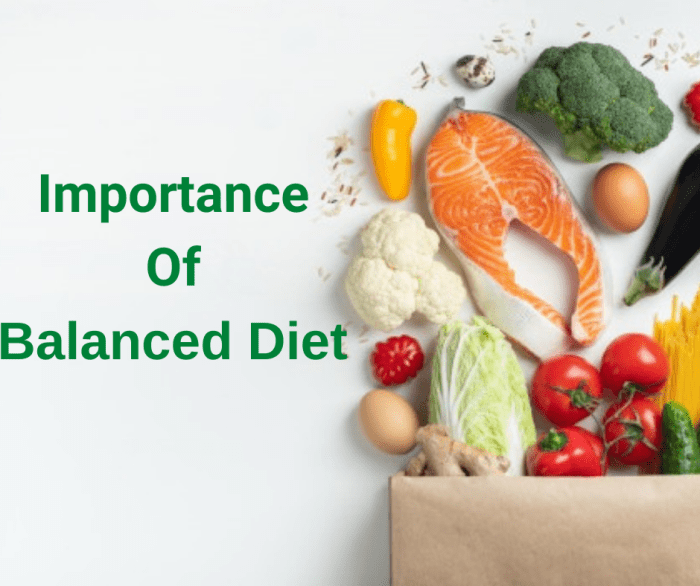
Importance of a balanced diet for overall health is crucial for enhancing our well-being on multiple levels. From physical fitness to mental wellness, the impact of what we eat cannot be overstated. Let’s delve into the significance of maintaining a balanced diet for a healthier life.
The journey towards optimal health begins with understanding the role of nutrition in our daily lives. By making informed choices about what we eat, we can pave the way for a brighter and healthier future.
Balanced Diet
A balanced diet is essential for maintaining overall health as it provides the necessary nutrients for the body to function optimally. It involves consuming a variety of foods in appropriate portions to meet the body’s needs for energy, vitamins, minerals, and other essential nutrients.
Examples of Nutrient-Rich Foods
Including nutrient-rich foods in a balanced diet is crucial for obtaining essential nutrients. Some examples of nutrient-rich foods that should be included are:
- Fruits and vegetables: rich in vitamins, minerals, and antioxidants.
- Whole grains: provide fiber, vitamins, and minerals.
- Lean proteins: such as poultry, fish, beans, and nuts, for muscle growth and repair.
- Dairy or dairy alternatives: a good source of calcium and vitamin D for bone health.
Impact on Preventing Chronic Diseases
Maintaining a balanced diet can help prevent chronic diseases such as heart disease, diabetes, and certain cancers. Consuming a variety of nutrient-rich foods can lower the risk factors associated with these diseases, such as high cholesterol, high blood pressure, and obesity.
Benefits of Consuming a Variety of Foods
Consuming a variety of foods ensures that the body receives a wide range of nutrients necessary for overall health. Each food group provides unique benefits, and by including a variety of foods in your diet, you can ensure that your body gets all the essential nutrients it needs to function properly.
Mental Wellness
Maintaining mental wellness is crucial for overall health, and a balanced diet plays a significant role in achieving this. The foods we consume can directly impact our mood, cognitive function, and emotional well-being.
Positive Mindset Foods
- Fatty fish like salmon, rich in omega-3 fatty acids, can help reduce symptoms of depression and anxiety.
- Leafy greens such as spinach and kale are high in folate, which is important for the production of serotonin, a neurotransmitter that regulates mood.
- Whole grains like brown rice and quinoa are complex carbohydrates that can help stabilize blood sugar levels, reducing mood swings and promoting a positive outlook.
- Nuts and seeds contain magnesium, a mineral that is essential for brain health and can help alleviate symptoms of stress and anxiety.
Connection between Nutrition and Emotional Balance
Consuming a diet rich in fruits, vegetables, lean proteins, and healthy fats provides the necessary nutrients for optimal brain function. Nutrients like vitamins B6, B12, folate, and omega-3 fatty acids are known to support mental health and emotional well-being. In contrast, a diet high in processed foods, sugar, and unhealthy fats can lead to inflammation in the body and negatively impact mood and cognitive function.
Mindful Eating for Better Mental Health
- Practice mindful eating by paying attention to the colors, textures, and flavors of your food. This can help you savor each bite and prevent overeating.
- Eat slowly and chew your food thoroughly to aid digestion and promote a sense of satisfaction after meals.
- Avoid distractions like watching TV or scrolling through your phone while eating. Focus on your meal to better appreciate the nourishment it provides.
- Listen to your body’s hunger and fullness cues to maintain a healthy relationship with food and prevent emotional eating.
Physical Fitness
Proper nutrition plays a crucial role in supporting physical fitness and overall health. When it comes to physical activity, the food we consume provides the energy and nutrients needed to perform at our best.
Role of Balanced Diet in Supporting Physical Fitness
A balanced diet ensures that our bodies receive the necessary nutrients to support muscle growth, repair, and recovery. It also helps in maintaining a healthy weight, which is essential for overall physical fitness.
Enhancing Athletic Performance with Proper Nutrition
Athletes require specific nutrients to fuel their performance and improve recovery. Carbohydrates provide energy during exercise, while proteins aid in muscle repair and growth. Healthy fats support overall health and can be a source of sustained energy.
Importance of Macronutrients and Micronutrients for Physical Health
Macronutrients such as carbohydrates, proteins, and fats are essential for energy production and muscle function. Micronutrients like vitamins and minerals play a crucial role in maintaining overall health and supporting various bodily functions.
Meals to Fuel an Active Lifestyle
Breakfast
Greek yogurt with berries and granola
Lunch
Grilled chicken salad with mixed vegetables and quinoa
Snack
Almonds and an apple
Dinner
Baked salmon with sweet potato and steamed broccoli
Adequate Hydration
Maintaining adequate hydration is crucial for overall health as water is essential for various bodily functions. Dehydration can lead to a range of health issues, such as fatigue, headaches, and even impaired cognitive function.
Importance of Staying Hydrated
- Drink plenty of water throughout the day to stay hydrated.
- Include hydrating foods in your diet, such as fruits and vegetables.
- Avoid excessive consumption of sugary or caffeinated beverages, as they can dehydrate the body.
Impact on Cognitive Function and Energy Levels
Staying hydrated can improve focus, concentration, and overall cognitive performance.
Dehydration has been linked to decreased alertness and mental clarity, affecting productivity and energy levels negatively.
Benefits of Different Beverages for Hydration
| Beverage | Benefits |
|---|---|
| Water | Essential for hydration without added sugars or calories. |
| Coconut Water | Naturally hydrating with electrolytes for replenishing minerals. |
| Herbal Tea | Provides hydration with added antioxidants and potential health benefits. |
| Sports Drinks | Can be beneficial for intense physical activity to replenish electrolytes and hydration. |
Regular Exercise
Regular exercise is a crucial component of a healthy lifestyle, working hand in hand with a balanced diet to promote overall well-being. Physical activity helps to strengthen muscles, improve cardiovascular health, boost mood, and enhance overall quality of life.
Importance of Nutrition in Post-Workout Recovery
After a workout, the body needs proper nutrition to recover and repair muscles. Consuming the right balance of macronutrients is essential to replenish energy stores and support muscle growth and repair.
- Carbohydrates: Carbs are the body’s primary source of energy, making them vital for refueling after a workout. Opt for complex carbs like whole grains, fruits, and vegetables.
- Proteins: Protein is crucial for muscle repair and growth. Lean sources like chicken, fish, tofu, or legumes can help the body recover effectively.
- Fats: Healthy fats are important for overall health and can aid in reducing inflammation. Include sources like avocados, nuts, and seeds in your post-workout meal.
Examples of Pre-Workout and Post-Workout Meal Ideas
- Pre-Workout: A balanced meal containing carbohydrates and protein, such as a banana with nut butter or Greek yogurt with berries, can provide the energy needed for a workout.
- Post-Workout: Aim for a meal rich in protein and carbs, like a chicken quinoa bowl or a smoothie with protein powder, fruits, and greens, to support muscle recovery and replenish energy stores.
Healthy Lifestyle
Maintaining a healthy lifestyle goes beyond just eating right or exercising regularly. It encompasses various aspects of well-being, including mental health, physical fitness, and nutrition. A balanced diet plays a crucial role in achieving a healthy lifestyle as it provides the necessary nutrients to fuel the body and mind.
Interconnectedness of Nutrition, Exercise, and Mental Well-being
Nutrition, exercise, and mental well-being are interconnected components of a healthy lifestyle. A balanced diet not only fuels the body for physical activities but also supports mental clarity and emotional well-being. Regular exercise helps to improve mood, reduce stress, and enhance overall cognitive function.
When combined with a balanced diet, exercise can promote better sleep quality and boost self-esteem.
It is essential to understand that what we eat directly impacts how we feel and perform both physically and mentally.
Creating Sustainable Healthy Eating Habits
To create sustainable healthy eating habits, it is important to focus on whole, nutrient-dense foods such as fruits, vegetables, whole grains, lean proteins, and healthy fats. Planning meals ahead, practicing mindful eating, and staying hydrated are key strategies to maintain a balanced diet.
Additionally, avoiding processed foods, sugary beverages, and excessive salt intake can contribute to long-term health benefits.
- Plan and prepare meals in advance to avoid impulsive food choices.
- Listen to your body’s hunger and fullness cues to prevent overeating.
- Stay hydrated by drinking an adequate amount of water throughout the day.
- Aim for a variety of colors on your plate to ensure a diverse nutrient intake.
Impact of Healthy Lifestyle on Overall Health
Adopting a healthy lifestyle can have a profound impact on overall health. It can reduce the risk of chronic diseases such as heart disease, diabetes, and obesity. By prioritizing nutrition, exercise, and mental well-being, individuals can experience increased energy levels, improved immune function, and better cognitive performance.
Ultimately, a healthy lifestyle can enhance quality of life and promote longevity.
Stress Management
Managing stress is crucial for overall well-being, and diet plays a significant role in influencing our stress levels. The foods we consume can either help alleviate stress or exacerbate it, highlighting the importance of a balanced diet in stress management.
Foods to Reduce Stress and Promote Relaxation
When it comes to reducing stress and promoting relaxation, certain foods can be particularly beneficial. Incorporating these into your diet can help you better manage stress:
- Green leafy vegetables like spinach and kale are rich in magnesium, which can help relax muscles and calm the nervous system.
- Fatty fish such as salmon and mackerel are high in omega-3 fatty acids, which have been linked to lower levels of cortisol, a stress hormone.
- Complex carbohydrates like whole grains can boost serotonin levels, promoting a sense of well-being and relaxation.
- Berries are packed with antioxidants that can combat the negative effects of stress on the body.
Impact of Stress on Food Choices and Eating Habits
Stress can significantly impact our food choices and eating habits, often leading to emotional eating or cravings for unhealthy comfort foods. This can create a vicious cycle where poor dietary choices further contribute to stress levels, making it essential to be mindful of what we eat during stressful times.
Tips for Incorporating Stress-Reducing Nutrients into Daily Meals, Importance of a balanced diet for overall health
Here are some tips to help you incorporate stress-reducing nutrients into your daily meals:
- Plan balanced meals that include a variety of nutrient-dense foods to support overall well-being.
- Include foods rich in vitamins and minerals like B vitamins, magnesium, and antioxidants to help combat the effects of stress.
- Practice mindful eating to be more aware of your food choices and how they make you feel.
- Stay hydrated by drinking plenty of water throughout the day, as dehydration can contribute to increased stress levels.
Preventive Care
Proper nutrition is a key component of preventive care, as it plays a vital role in reducing the risk of various diseases and health issues. By maintaining a balanced diet, individuals can support their overall health and well-being, ultimately preventing the onset of certain medical conditions.
Role of Nutrition in Preventing Diseases
Nutrition is essential in reducing the risk of chronic diseases such as heart disease, diabetes, and obesity. A diet rich in fruits, vegetables, whole grains, and lean proteins can help lower cholesterol levels, regulate blood sugar, and maintain a healthy weight.
These factors are crucial in preventing the development of serious health conditions that can impact quality of life.
- Consuming foods high in antioxidants, such as berries and leafy greens, can help protect cells from damage and reduce the risk of cancer.
- Including sources of omega-3 fatty acids, like salmon and walnuts, can support heart health and lower the risk of cardiovascular disease.
- Limiting processed foods, sugary drinks, and excess sodium can help prevent obesity, high blood pressure, and other metabolic disorders.
Using Food as Preventive Medicine
Food can be a powerful tool in preventing health issues when used strategically. By making conscious choices about what we eat, we can promote wellness and reduce the likelihood of developing certain ailments in the future.
“Let food be thy medicine and medicine be thy food.”
Hippocrates
- Focus on incorporating a variety of nutrient-dense foods into your diet to ensure you are getting a wide range of essential vitamins and minerals.
- Stay hydrated by drinking an adequate amount of water each day, as dehydration can lead to various health problems.
- Avoid excessive consumption of processed foods, sugary treats, and unhealthy fats that can contribute to inflammation and disease.
Proper Nutrition
Proper nutrition is essential for maintaining overall health and well-being. It goes beyond just consuming a balanced diet and focuses on meeting daily nutrient requirements to support optimal bodily functions.
Difference between a balanced diet and proper nutrition
A balanced diet refers to consuming a variety of foods in the right proportions to meet your body’s needs for nutrients. On the other hand, proper nutrition involves not only eating a balanced diet but also ensuring that you are getting all the essential vitamins, minerals, and macronutrients your body needs to function at its best.
Importance of meeting daily nutrient requirements
- Meeting daily nutrient requirements is crucial for optimal health as it helps support various bodily functions, such as metabolism, immune function, and brain health.
- Deficiencies in essential nutrients can lead to a range of health issues, including fatigue, weakened immune system, and impaired cognitive function.
- By ensuring you meet your daily nutrient requirements, you can improve your energy levels, mood, and overall quality of life.
Reading food labels and making informed choices
- When reading food labels, focus on the serving size, calories, and nutrient content per serving to make informed choices.
- Look for foods that are high in vitamins, minerals, fiber, and protein, while being low in added sugars, sodium, and unhealthy fats.
- Avoid processed foods and opt for whole, nutrient-dense foods like fruits, vegetables, whole grains, lean proteins, and healthy fats.
Examples of Nutrient-Dense Foods
| Food Group | Examples |
|---|---|
| Fruits | Apples, bananas, berries, oranges |
| Vegetables | Broccoli, spinach, carrots, bell peppers |
| Proteins | Salmon, chicken breast, tofu, lentils |
| Whole Grains | Quinoa, brown rice, whole wheat bread |
| Dairy | Greek yogurt, low-fat milk, cheese |
| Healthy Fats | Avocado, nuts, seeds, olive oil |
Quality Sleep
Sleep is a crucial component of overall health, and the quality of our sleep can be influenced by various factors, including our diet. The foods we consume can either positively or negatively impact our sleep patterns, making it essential to pay attention to what we eat, especially before bedtime.
Connection Between Balanced Diet and Quality Sleep
A balanced diet rich in nutrients like magnesium, tryptophan, calcium, and melatonin can promote better sleep quality. These nutrients can be found in foods such as leafy greens, nuts, seeds, dairy products, and certain fruits like bananas and cherries. Consuming these foods as part of a balanced diet can help regulate sleep patterns and promote restful sleep.
Bedtime Routine with Sleep-Friendly Foods
Creating a bedtime routine that includes sleep-friendly foods can further enhance the quality of your sleep. Opt for light snacks that are easy to digest and contain sleep-promoting nutrients. Avoid heavy or spicy foods that can disrupt your sleep. Some examples of sleep-friendly snacks include a small bowl of Greek yogurt with berries, a handful of almonds, a slice of whole-grain toast with almond butter, or a cup of herbal tea like chamomile.
Impact of Certain Foods on Sleep Patterns
Certain foods can have a negative impact on sleep patterns if consumed too close to bedtime. Foods high in sugar, caffeine, or spicy ingredients can interfere with your ability to fall asleep or stay asleep throughout the night. It’s best to avoid these foods in the hours leading up to bedtime to ensure a restful night’s sleep.
Cardio Health
A balanced diet plays a crucial role in maintaining cardiovascular health. By consuming a variety of nutrient-rich foods, you can support your heart and overall well-being.
Impact of Nutrition on Heart Disease Prevention
Nutrition has a direct impact on heart disease prevention. Diets high in saturated fats, cholesterol, and sodium can increase the risk of heart disease. On the other hand, consuming foods rich in fiber, antioxidants, and healthy fats can help lower cholesterol levels, reduce inflammation, and promote heart health.
- Include fruits and vegetables in your diet to provide essential vitamins, minerals, and antioxidants that support heart health.
- Opt for whole grains like brown rice, quinoa, and oats, which are high in fiber and can help lower cholesterol levels.
- Incorporate lean proteins such as poultry, fish, beans, and nuts to reduce the intake of saturated fats and support heart health.
Heart-Healthy Foods and Their Benefits
Consuming heart-healthy foods can provide numerous benefits for cardiovascular health. Foods like fatty fish (salmon, mackerel), nuts (almonds, walnuts), and olive oil are rich in omega-3 fatty acids, which can help reduce inflammation, lower blood pressure, and improve heart function.
- Fatty fish: Rich in omega-3 fatty acids, which can help reduce the risk of heart disease and improve heart health.
- Nuts: Packed with healthy fats, fiber, and antioxidants that support heart health and reduce inflammation.
- Olive oil: Contains monounsaturated fats that can help lower cholesterol levels and reduce the risk of heart disease.
Tips on Incorporating Heart-Healthy Foods into Daily Meals
Making small changes to your daily meals can have a big impact on heart health. Try incorporating the following tips to support your cardiovascular well-being:
- Use olive oil or avocado instead of butter for cooking to reduce saturated fat intake.
- Add a handful of nuts or seeds to salads, yogurt, or oatmeal for a heart-healthy crunch.
- Include at least two servings of fatty fish per week to boost your omega-3 intake.
Immune Boost
Maintaining a strong immune system is crucial for overall health and well-being. A balanced diet plays a significant role in boosting immunity and protecting the body from illnesses and infections.
Role of Nutrients in Immune System Function
- Vitamin C: Known for its immune-boosting properties, vitamin C helps stimulate the production of white blood cells which are essential for fighting off infections.
- Vitamin D: Supports immune function and can help reduce the risk of respiratory infections.
- Zinc: Important for the development and function of immune cells, zinc deficiency can weaken the immune response.
- Probiotics: Healthy gut bacteria can enhance immune function and reduce the risk of infections.
Immune-Boosting Foods
- Citrus fruits like oranges, lemons, and grapefruits are rich in vitamin C.
- Fatty fish such as salmon and tuna are good sources of vitamin D.
- Lean meats, nuts, seeds, and legumes provide zinc for immune support.
- Yogurt, kefir, and fermented foods contain probiotics to promote a healthy gut.
Creating an Immune-Boosting Meal Plan
- Include a variety of fruits, vegetables, whole grains, lean proteins, and healthy fats in your meals.
- Aim to eat foods rich in immune-boosting nutrients like vitamin C, vitamin D, zinc, and probiotics.
- Avoid excessive intake of processed foods, sugary snacks, and high-fat meals that can weaken the immune system.
- Stay hydrated by drinking plenty of water throughout the day to support immune function.
Clean Eating
Clean eating is a concept that focuses on consuming whole, unprocessed foods to nourish the body and promote overall health. By avoiding processed foods and artificial additives, individuals can benefit from a diet rich in nutrients and free from harmful chemicals.
Benefits of Clean Eating
- Improved nutrient intake: Whole foods are naturally rich in essential vitamins, minerals, and antioxidants that support optimal health.
- Weight management: Clean eating can help regulate weight by promoting the consumption of nutrient-dense foods that keep you feeling satisfied.
- Enhanced energy levels: By fueling your body with wholesome foods, you can experience sustained energy throughout the day.
- Reduced risk of chronic diseases: A diet focused on whole foods can lower the risk of developing conditions like heart disease, diabetes, and certain cancers.
Tips for Clean Eating
- Avoid processed foods: Choose whole foods such as fruits, vegetables, whole grains, lean proteins, and healthy fats.
- Read labels: Look for ingredients you can pronounce and understand, and avoid products with added sugars, artificial flavors, and preservatives.
- Cook at home: Prepare meals from scratch using fresh ingredients to have better control over what goes into your food.
- Stay hydrated: Drink plenty of water throughout the day to support digestion and overall well-being.
Clean Eating Meal Ideas
| Breakfast | Lunch | Dinner |
|---|---|---|
| Chia seed pudding with fresh berries | Quinoa salad with roasted vegetables | Grilled salmon with steamed broccoli and quinoa |
| Avocado toast with a poached egg | Grilled chicken wrap with mixed greens | Veggie stir-fry with tofu over brown rice |
Daily Activity
Proper nutrition plays a crucial role in supporting daily physical activity and maintaining optimal energy levels throughout the day.
Balanced Diet and Physical Activity
A balanced diet provides the necessary nutrients to fuel the body for daily activities, whether it’s a workout at the gym, running errands, or simply going about your daily routine. Carbohydrates are the body’s primary source of energy, so including whole grains, fruits, and vegetables in your meals can help sustain energy levels.
Additionally, lean proteins support muscle repair and growth, essential for maintaining strength and endurance during physical activities.
Impact on Energy Levels
Nutrition directly impacts energy levels, with meals containing a balance of carbohydrates, proteins, and healthy fats providing sustained energy throughout the day. Avoiding sugary snacks and opting for nutrient-dense foods can prevent energy crashes and help maintain focus and productivity.
Fueling for Different Activities
Tailoring your nutrition to different types of activities is essential for maximizing performance and recovery. For cardiovascular exercises like running or cycling, complex carbohydrates such as oatmeal or whole grain toast can provide lasting energy. Strength training may benefit from protein-rich snacks like Greek yogurt or nuts to support muscle repair.
Snacks for Sustained Energy
Choosing snacks that combine carbohydrates with protein or healthy fats can help sustain energy levels between meals. Examples include apple slices with almond butter, whole grain crackers with cheese, or a smoothie made with fruits and Greek yogurt. Avoiding highly processed snacks and opting for whole foods can provide lasting energy without the crash.
Holistic Health
When it comes to holistic health, it is essential to consider the overall well-being of an individual, encompassing physical, mental, and emotional aspects. A balanced diet plays a crucial role in supporting holistic health by providing the necessary nutrients to fuel the body and mind.
Nutrition, Exercise, and Mental Well-being in Holistic Health
Incorporating a balanced diet, regular exercise, and focusing on mental well-being are key components of holistic health. Nutrition fuels the body, exercise strengthens it, and mental wellness ensures a harmonious balance between the mind and body.
- Eat a variety of fruits, vegetables, whole grains, and lean proteins to ensure a well-rounded diet.
- Engage in physical activities you enjoy, such as walking, yoga, or dancing, to promote overall fitness.
- Practice mindfulness, meditation, or journaling to nurture your mental well-being and reduce stress.
Benefits of a Holistic Approach
- Improved energy levels and overall vitality.
- Enhanced mood and mental clarity.
- Stronger immune system and better resilience to illnesses.
- Reduced risk of chronic diseases such as heart disease, diabetes, and obesity.
Mindful Living
Practicing mindful living is an essential component of maintaining a balanced diet and overall health. Mindful eating, in particular, plays a significant role in fostering a healthy relationship with food and enhancing overall well-being.
Mindful Eating
When it comes to mindful eating, the focus is on being present in the moment while consuming your meals. By savoring each bite, you can fully appreciate the flavors and textures of your food, leading to a more satisfying eating experience.
- Avoid distractions: Turn off electronic devices and focus solely on your meal without any external interruptions.
- Eat slowly: Take your time to chew your food thoroughly and savor the taste of each bite.
- Listen to your body: Pay attention to your hunger and fullness cues to determine when to stop eating.
Practicing Mindful Living Beyond Meal Times
Mindful living extends beyond just mindful eating. It involves being fully present in every moment of your day, whether you are working, exercising, or engaging in leisure activities.
- Meditation: Incorporate meditation practices into your daily routine to enhance mindfulness and reduce stress.
- Breathing exercises: Take moments throughout the day to focus on your breath and center yourself in the present moment.
- Gratitude journaling: Reflect on the things you are grateful for each day to cultivate a positive mindset.
Mindful Eating Exercises
Engaging in specific exercises can help you develop a greater awareness of your food choices and eating habits.
- Texture exploration: Focus on the textures of your food as you eat, noting differences between crunchy, smooth, or chewy items.
- Sensory experience: Pay attention to the colors, smells, and flavors of your food to fully engage your senses while eating.
- Portion control: Use mindful eating to listen to your body’s signals and stop eating when you feel satisfied, rather than finishing everything on your plate.
Emotional Balance
Maintaining emotional balance is crucial for overall well-being, and diet plays a significant role in influencing our emotions and mental health. The foods we consume can impact our mood, energy levels, and emotional well-being in various ways. By making mindful choices in our diet, we can support our emotional health and improve our overall quality of life.
Impact of Diet on Emotions
Proper nutrition is essential for regulating neurotransmitters in the brain that affect our mood and emotions. Certain foods can either boost or hinder the production of these neurotransmitters, leading to fluctuations in mood. For example, consuming a diet rich in whole foods, fruits, vegetables, and healthy fats can help stabilize mood and promote emotional balance.
On the other hand, a diet high in processed foods, sugar, and unhealthy fats can contribute to mood swings, irritability, and feelings of anxiety or depression.
Tips for Emotional Balance through Nutrition
- Aim for a balanced diet that includes a variety of nutrient-dense foods to support brain health and emotional well-being.
- Incorporate foods rich in omega-3 fatty acids, such as salmon, walnuts, and flaxseeds, to help reduce inflammation and support brain function.
- Include complex carbohydrates like whole grains, legumes, and sweet potatoes to provide a steady source of energy and promote serotonin production.
- Stay hydrated by drinking plenty of water throughout the day, as dehydration can negatively impact mood and cognitive function.
- Avoid excessive caffeine and alcohol consumption, as they can disrupt sleep patterns and exacerbate feelings of anxiety or stress.
Mood-Boosting Foods for Emotional Health
- Dark leafy greens like spinach and kale are rich in magnesium, which can help reduce symptoms of anxiety and promote relaxation.
- Berries such as blueberries, strawberries, and raspberries are packed with antioxidants that support brain health and cognitive function.
- Nuts and seeds like almonds, walnuts, and chia seeds are excellent sources of healthy fats and nutrients that can improve mood and reduce feelings of depression.
- Fatty fish like salmon, mackerel, and sardines are high in omega-3 fatty acids that have been linked to lower rates of depression and improved mental well-being.
- Whole grains like quinoa, brown rice, and oats provide a steady release of energy and can help stabilize blood sugar levels, preventing mood swings.
Health Education
Health education plays a crucial role in promoting a balanced diet by providing individuals with the necessary knowledge and skills to make informed food choices.
Importance of Nutrition Knowledge
- Understanding the basics of nutrition helps individuals identify healthy food options and make better dietary decisions.
- It enables people to recognize the importance of consuming a variety of nutrients for overall health and well-being.
- Having nutrition knowledge can prevent deficiencies and reduce the risk of chronic diseases associated with poor diet.
Accessing Reliable Health Information
- Consulting registered dietitians, reputable websites, and government health agencies can provide accurate and up-to-date information on nutrition.
- Reading peer-reviewed articles and scientific journals can also help individuals gain a deeper understanding of the impact of diet on health.
- Attending nutrition workshops or seminars conducted by health professionals is another way to access reliable health information.
Empowering Individuals to Prioritize Nutrition
- Health education empowers individuals to take control of their diet and make conscious choices that support their overall well-being.
- By learning about the benefits of a balanced diet, people are motivated to prioritize nutrition and adopt healthier eating habits.
- Understanding the relationship between food and health outcomes encourages individuals to make positive changes in their dietary patterns.
Self-Care
Self-care is an essential aspect of maintaining overall health and well-being. It involves taking deliberate actions to prioritize and nurture oneself, both physically and mentally. One significant component of self-care is ensuring that you are nourishing your body with a balanced diet.
Balanced Diet as Self-Care
A balanced diet plays a crucial role in self-care as it provides the necessary nutrients to support your body’s functions and promote optimal health. By fueling your body with a variety of nutrient-dense foods, you are showing yourself care and respect.
This can lead to improved energy levels, better mood, and overall well-being.
- Include a variety of fruits, vegetables, whole grains, lean proteins, and healthy fats in your meals to ensure you are meeting your nutritional needs.
- Stay hydrated by drinking an adequate amount of water throughout the day to support your body’s functions and maintain proper hydration.
- Avoid highly processed foods, sugary beverages, and excessive amounts of sodium and saturated fats, as these can negatively impact your health and well-being.
Incorporating Self-Care into Meal Preparation
Meal preparation can be a form of self-care in itself. Taking the time to plan and prepare nourishing meals for yourself can be a way to show yourself love and care. Here are some tips on how to incorporate self-care rituals into your meal preparation:
- Set aside dedicated time for meal planning and grocery shopping to ensure you have the necessary ingredients on hand.
- Experiment with new recipes and ingredients to keep your meals exciting and enjoyable.
- Practice mindful eating by savoring each bite and paying attention to how different foods make you feel.
Food Choices Reflecting Self-Care Intentions
The food choices you make can reflect your intentions towards self-care. Opting for whole, nutrient-dense foods that nourish your body can be a way to prioritize your health and well-being. By making conscious choices about what you eat, you are actively participating in self-care practices that can have a positive impact on your overall health.
- Choose foods that make you feel good both physically and mentally, and that support your health goals.
- Listen to your body’s hunger and fullness cues to guide your food choices and eating habits.
- Acknowledge the connection between the foods you eat and how you feel, both in the short term and long term.
Chronic Disease
A balanced diet plays a crucial role in preventing chronic diseases by providing essential nutrients that support overall health and well-being. Proper nutrition can help reduce the risk of developing conditions such as heart disease, diabetes, and certain types of cancer.
Preventing Chronic Diseases
- Consuming a variety of fruits, vegetables, whole grains, and lean proteins can help lower inflammation in the body and reduce the risk of chronic conditions.
- Limiting intake of processed foods, sugary beverages, and high-fat foods can help maintain a healthy weight and prevent obesity-related diseases.
- Including foods rich in antioxidants, vitamins, and minerals can boost the immune system and protect against diseases.
- Staying hydrated by drinking an adequate amount of water daily is essential for overall health and can help prevent conditions like kidney stones and urinary tract infections.
Managing Existing Chronic Conditions
- For individuals with existing chronic conditions, such as hypertension or diabetes, a balanced diet can help manage symptoms and improve overall health.
- Following a meal plan that focuses on controlling blood sugar levels or reducing sodium intake can help individuals better manage their condition and prevent complications.
- Incorporating foods with anti-inflammatory properties, such as fatty fish, nuts, and seeds, can help reduce inflammation associated with chronic conditions like arthritis.
- Seeking guidance from a registered dietitian or healthcare provider can help individuals with chronic diseases create a personalized meal plan that meets their specific nutritional needs.
Final Review
As we wrap up our exploration of the importance of a balanced diet for overall health, it becomes evident that our dietary choices play a significant role in shaping our well-being. By prioritizing nutrient-rich foods and mindful eating habits, we can embark on a path towards a healthier and more fulfilling life.
FAQ: Importance Of A Balanced Diet For Overall Health
How does a balanced diet impact mental wellness?
A balanced diet contributes to mental wellness by providing essential nutrients that support brain function and emotional well-being.
What role does hydration play in overall health?
Staying hydrated is crucial for maintaining bodily functions, cognitive clarity, and energy levels throughout the day.
Can a balanced diet help prevent chronic diseases?
Yes, a balanced diet rich in nutrients can play a preventive role in reducing the risk of chronic diseases.
How does nutrition impact physical fitness?
Proper nutrition fuels physical activity, enhances performance, and supports overall fitness goals.